Last updated November 21, 2026
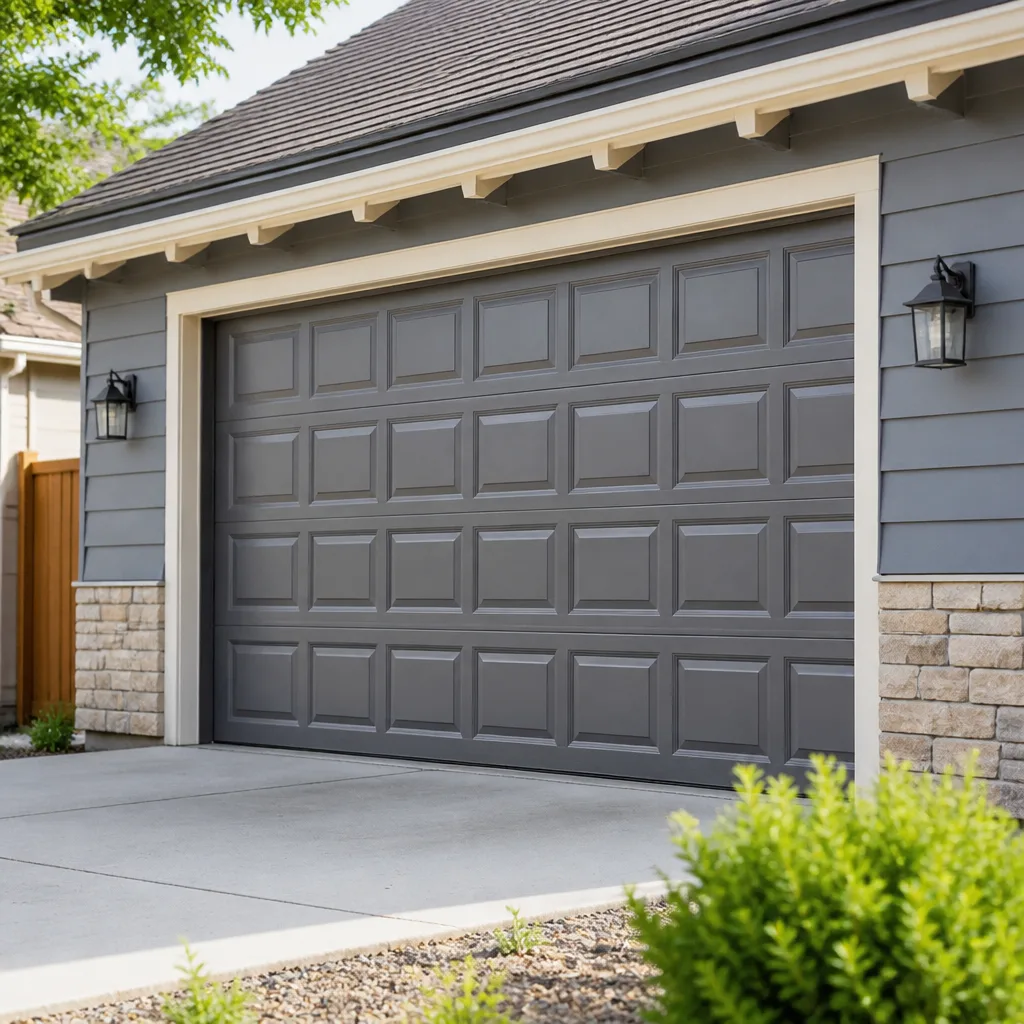 Raised-panel steel
 Carriage house
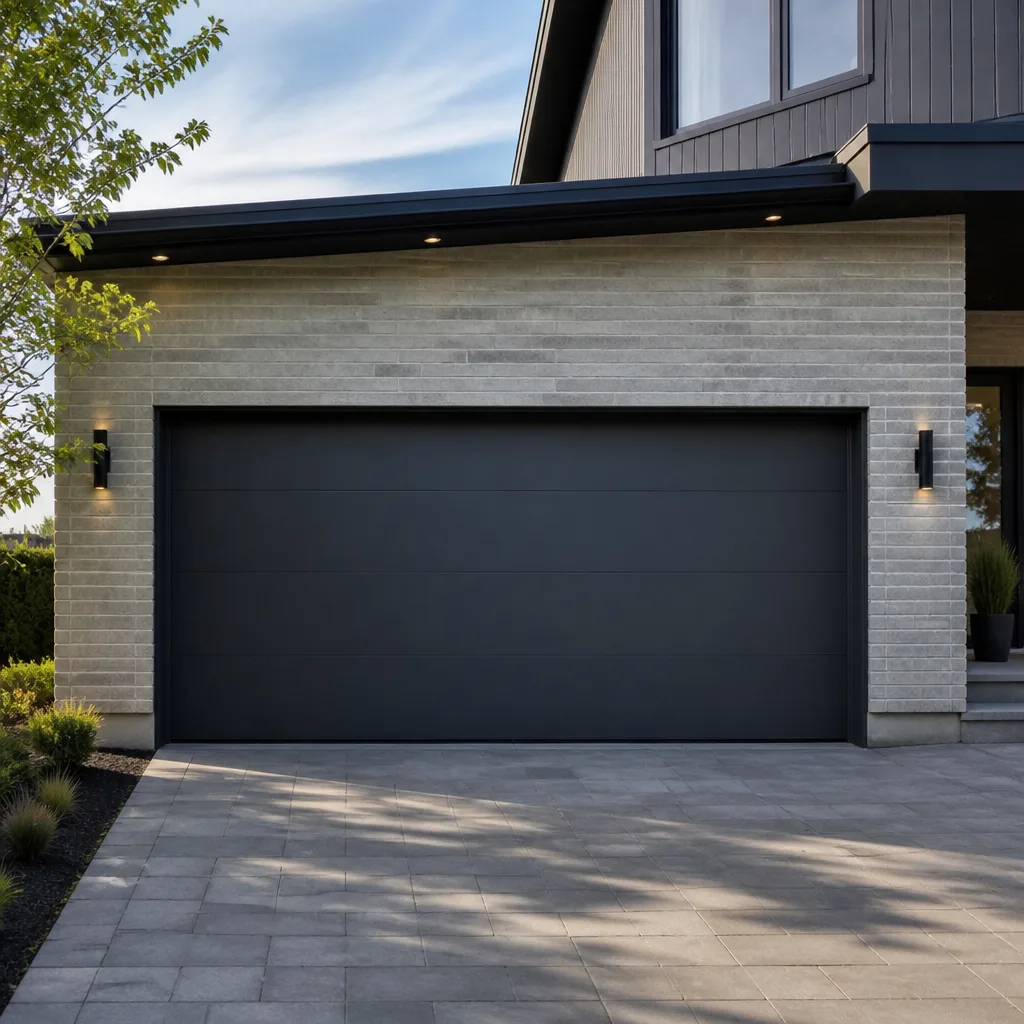 Modern flush
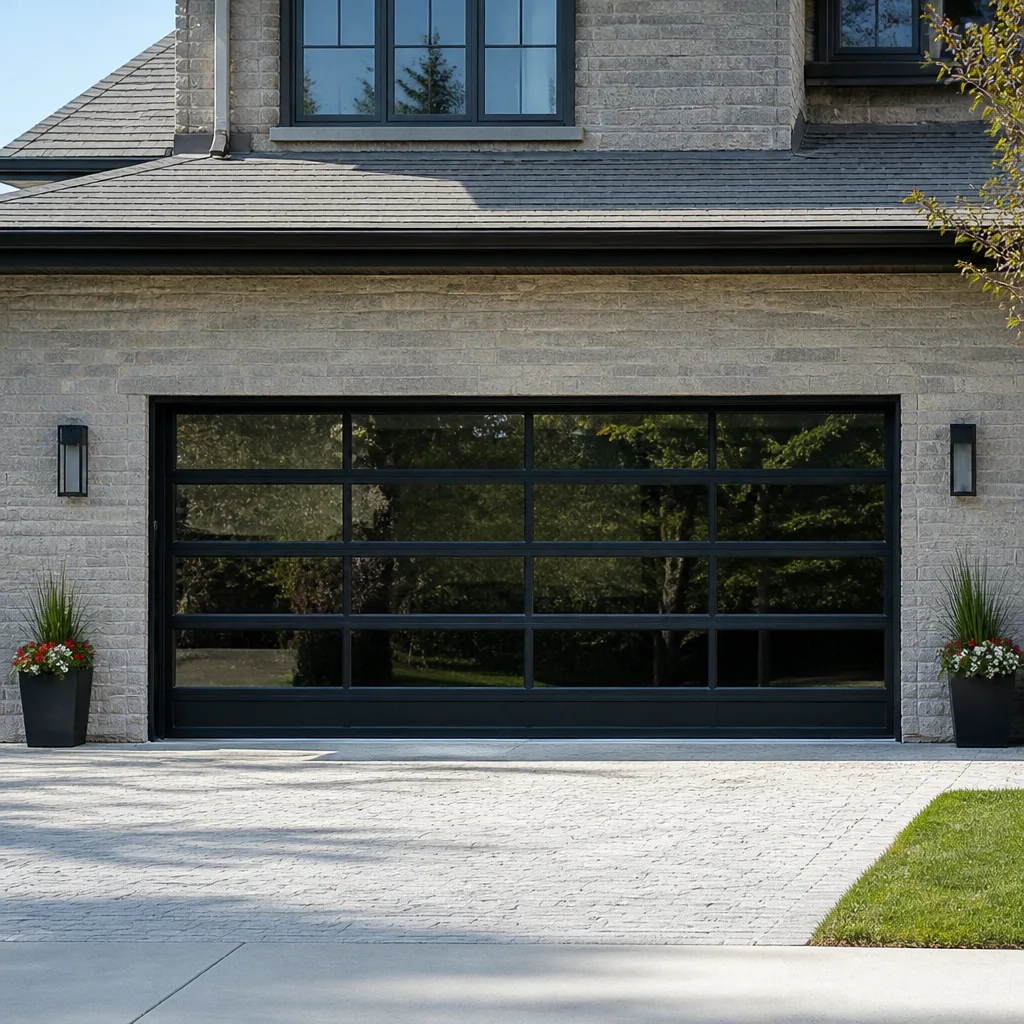 Full-view glass
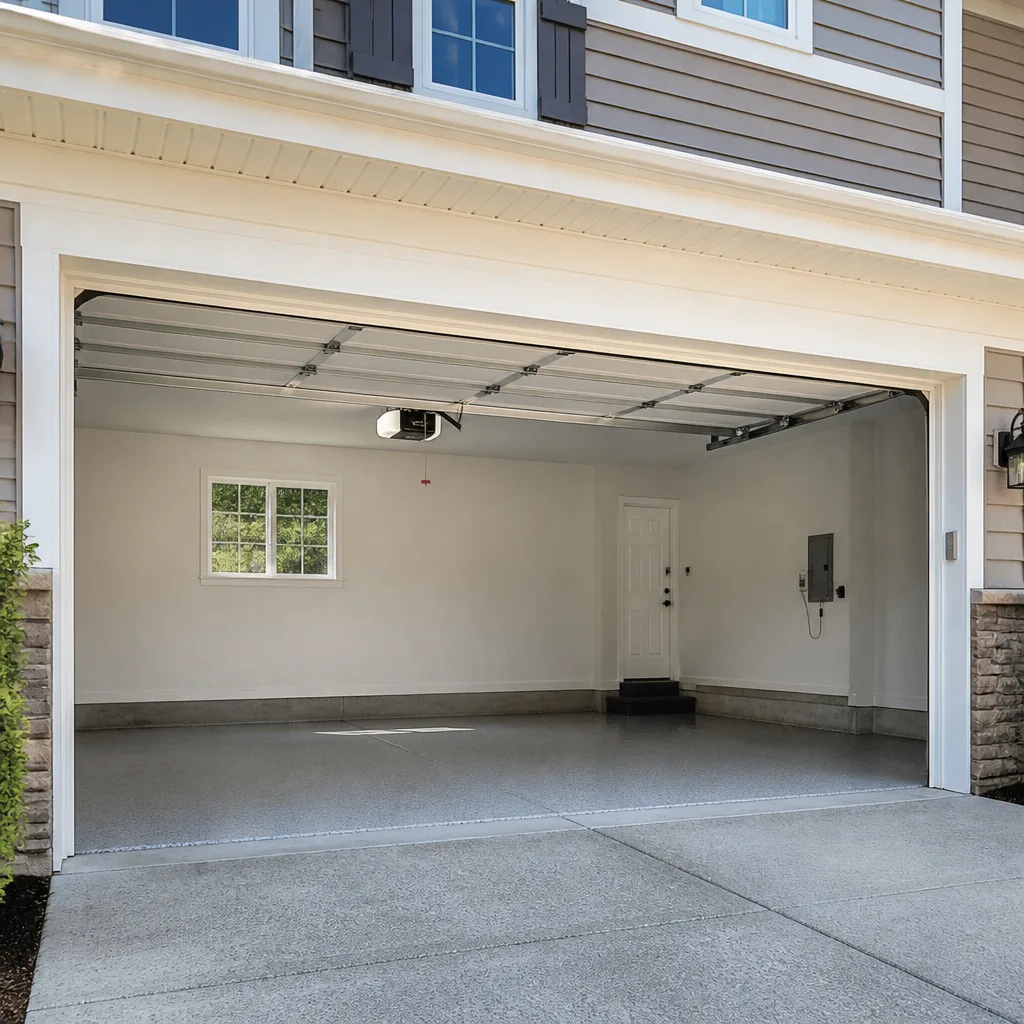 LiftMaster openers
 Chamberlain openers
Full 25-point door and opener safety check with every visit - springs, cables, rollers, tracks, and your LiftMaster or Chamberlain opener included
You get a price before we start. It does not change when the pro arrives.
Get your free estimateGarage Door Warning Signs: A Highland Park Homeowner’s Reference Guide
A grinding noise and a rattling noise from the same garage door often mean completely different things. In our experience, the grind is usually a roller on its way out; the rattle is often a loose hardware bolt working itself free. Most homeowners describe both the same way on the phone, and that’s exactly how people get quoted for the wrong repair. This guide treats warning signs as a diagnostic tool, not a scare list. Every symptom you notice maps to a likely cause, which means you can tell a technician what’s actually happening and get the right fix the first time. We’ll walk through sound, movement, and visual cues one by one, and we’ll flag which ones mean stop using the door today and which can wait until later in the week. Highland Park homes deal with real seasonal swings, and your door reacts to all of it.
Quick Answer
Garage door warning signs fall into three groups: sounds (grinding, popping, rattling, squealing), visual cues (worn springs, frayed cables, bent tracks, loose bolts), and performance changes (uneven travel, slow opening, doors that reverse on their own). Grinding usually points to rollers or bearings, a loud pop points to a broken spring, and an uneven door is almost always a spring problem rather than a track problem. Stop using the door immediately if you see a broken spring, a frayed cable, or a door hanging crooked. Call (844) 742-5213 for a free estimate if you’re unsure which category you’re dealing with.
Styles & brands we work with
- Raised-panel steel
- Carriage house
- Modern flush
- Full-view glass
- LiftMaster openers
- Chamberlain openers
Table of Contents
- What Different Garage Door Sounds Mean
- Visual Warning Signs You Can Spot From the Driveway
- Opener Problem or Door Problem? How to Tell Without Tools
- Why an Uneven Door Is Rarely a Track Problem
- Spring and Cable Warnings: Imminent Failure vs Normal Wear
- Stop-Using-the-Door vs Schedule-a-Repair-This-Week
- Seasonal Patterns on Highland Park Doors
- Common Mistakes to Avoid
What Different Garage Door Sounds Mean
The sound your door makes is the single most useful clue you have, because each noise tends to come from one part of the system. A grinding sound is dry or worn rollers and hinges; a pop or bang is a spring letting go; a rattle is loose hardware; and a squeal is metal-on-metal friction. If you can tell us which of those four it is, we can usually tell you what to expect before we ever see the door. That’s part of why brand familiarity matters here: LiftMaster and Genie openers, along with Clopay and Amarr doors, each have their own signature wear patterns, and knowing them speeds up diagnosis.
Here’s how the four most common sounds break down:
- Grinding: Worn metal rollers or dry bearings. Usually the rollers, sometimes the hinges. Tends to get louder as the door ages and the rollers drag instead of roll.
- Loud pop or bang: A torsion spring breaking. You may hear it from inside the house. Treat this as a stop-using-the-door signal.
- Rattling or clanking: Loose bolts, a loose hinge, or a disconnected bracket. Often harmless in itself but worth tightening before it puts stress on the rest of the frame.
- Squealing or high-pitched whine: Metal-on-metal contact from a dry or worn component. Often the rollers, sometimes the opener’s drive system.
Notice the pattern: three of those four resolve with routine parts, and one is an emergency. Learning to tell them apart is what turns “it’s making a noise” into a accurate call. In our experience, that accuracy alone saves Highland Park homeowners a wasted visit.
Visual Warning Signs You Can Spot From the Driveway
You don’t need tools to spot most of the serious problems. Spend two minutes a few times a year looking at these points:
- Springs above the door: Look for a visible gap in a torsion spring (the coiled spring on the shaft above the door) or a stretched-out extension spring on the side. A gap means the spring is broken.
- Cables: Check the steel cables running down each side. Frayed strands, a kink, or a slack cable are all warnings. Cables are under extreme tension; do not handle them yourself.
- Tracks: From the side, the vertical and horizontal tracks should look straight. A slight bend is usually fine to watch; a visible kink needs attention.
- Rollers: Look at the rollers where the door meets the track. Worn rollers look flat-spotted or chipped, or feel wobbly.
- Hinges and bolts: Scan along the door panels. Loose or missing bolts and hinges that sag are common, easy fixes.
- Panel condition: Dents, cracks, or a panel that’s pulling apart at the seams.
If you see a broken spring, a frayed cable, or a door that’s hanging crooked, stop using the door and call (844) 742-5213. Everything else on this list is a “schedule it the same week” item, not an emergency. A free estimate will confirm what’s wear and what’s failure.
Opener Problem or Door Problem? How to Tell Without Tools
The easiest way to separate an opener problem from a door-mechanical problem is to test the door by hand with the opener disconnected. If you don’t know how to release the opener’s manual cord, that’s all the answer you need: call us. If you can pull the release cord and lift the door by hand, the door should move with steady, even resistance. If it moves smoothly, the door’s fine and the trouble is in the opener. If it fights you, binds, or feels much heavier than it should, the door itself is the problem and the opener has been struggling against it.
This matters because a damaged door will eventually burn out a perfectly good opener, or the opener’s safety features will keep reversing the door for a reason a homeowner mistakes for an opener fault. Some signs point squarely at the opener:
- The door opens partway and stops or reverses for no obvious reason.
- The opener runs but the door doesn’t move (or moves slowly).
- The lights flash on the opener’s unit but the door won’t respond.
- The safety-beam indicator on the opener is dark or flickering.
If those look familiar, you’re probably looking at an opener issue, and our garage door opener repair service is the right call. Genie and Chamberlain units both have quirks that are far easier to recognize when a technician works on them regularly. If instead the door is heavy, binds, or won’t stay open when you lift it by hand, the door is the problem.
Why an Uneven Door Is Rarely a Track Problem
When one side of a garage door sits lower than the other, most homeowners assume the track is bent. In our experience it’s almost always a spring problem. On a torsion system, one spring doing more work than its partner (or one spring losing tension) pulls the door unevenly along its whole run, and the tracks take the blame. On an extension-spring door, one side failing to lift evenly points to that side’s spring or cable. A bent track can cause uneven travel, but a slightly kinked track is far less common than a tired spring, and swapping tracks won’t fix a door whose springs are unbalanced.
Here’s how to decide which it is:
- Look at the track from the side. If it’s visibly bent, that’s your answer, but that’s the rarer case.
- Check the gap at the bottom of the door. If one corner consistently sits lower, that’s a weight-distribution problem, which means springs.
- Listen while the door runs. A rhythmic pop or clunk on one side usually means a spring or cable on that side.
- Watch the rollers and hinges on the low side. If they’re straining more than the other side, the door is running crooked because of imbalance, not a track bend.
An unbalanced door is a genuine safety concern. The door’s weight is held on two springs, and if one is failing, the other is carrying the load alone. That’s the point to stop using the door and call. Our dedicated spring repair service exists for exactly this: it’s the most dangerous and most commonly botched job in the trade, and it deserves a specialist, not a guess. Highland Park doors that get year-round use tend to show this pattern first in late winter or early spring.
Spring and Cable Warnings: Imminent Failure vs Normal Wear
Springs are the part of the system most likely to fail catastrophically, and the difference between “worn but working” and “about to go” is worth understanding. A torsion spring that’s near the end of its usable life typically shows a slightly wider gap between coils at one end, a sag, or a tone that sounds duller than its partner. An extension spring that’s stretched out or shows a visible gap between coils is running on borrowed time. Cables show wear as fraying strands, a kink, or a sag that shouldn’t be there; a cable that’s starting to strand is a stop-using-the-door signal, full stop.
What normal wear looks like versus what failure looks like:
- Normal wear: Springs still hold tension, the door is balanced (it stays where you leave it when you lift it halfway), and coils look intact. Cables run straight with no strands sticking out.
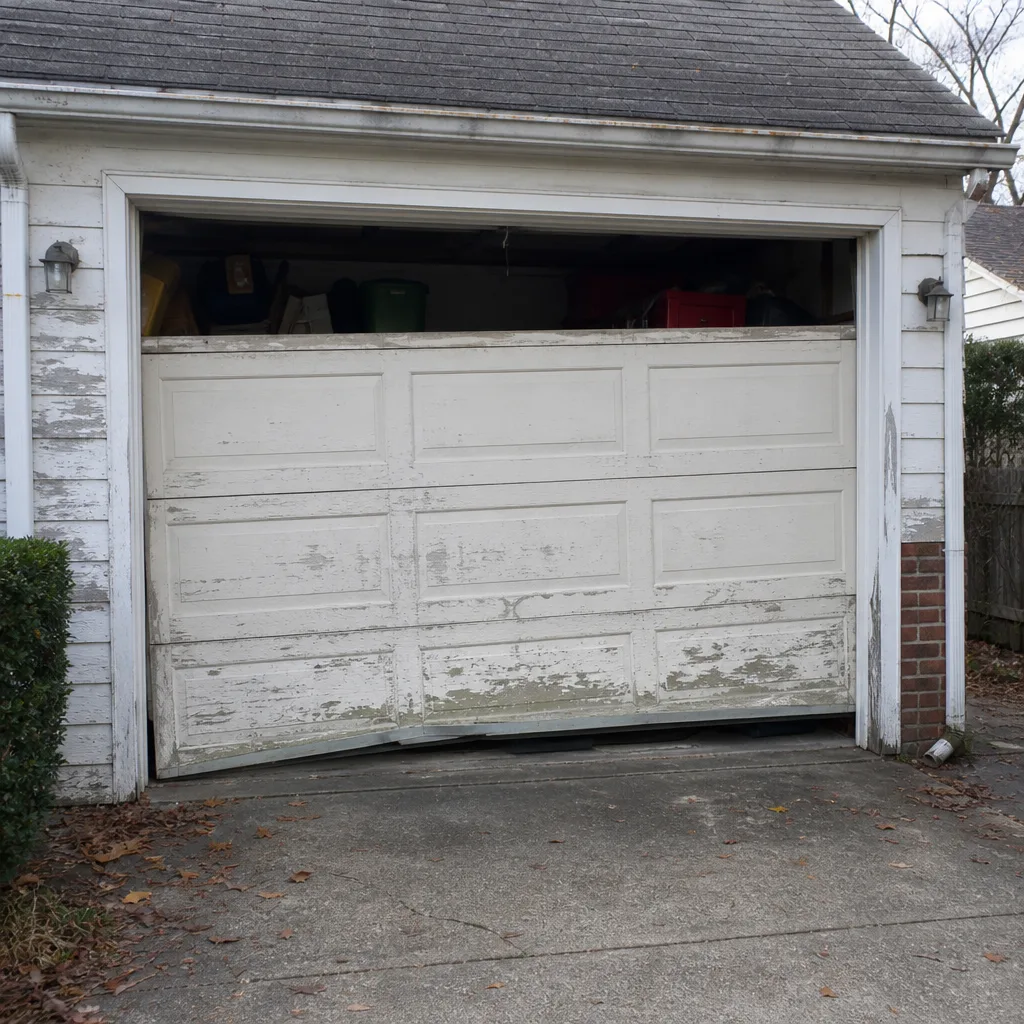
- Imminent failure: A visible gap in a torsion spring, a stretched extension spring, a bottom bracket that looks bent, a frayed cable, or a door that slams shut instead of holding position. These can fail without much warning.
Springs and cables are under extreme tension. Please don’t try to adjust, remove, or replace them yourself; that’s the single most dangerous thing a homeowner can do around a garage door. A trained technician has the right winders and safety procedures, and – importantly – the right springs for your door. We work with spring-equipped systems from major brands like Clopay and Wayne Dalton, and getting the matching spring matters. If you see any of the failure signs above, call (844) 742-5213 for a free estimate and a written price before any work begins.
Stop-Using-the-Door vs Schedule-a-Repair-This-Week
Every warning sign falls into one of two buckets. Knowing which bucket you’re in prevents panic and also prevents the more common mistake: using a door that’s telling you to stop.
Stop using the door now if you see or hear:
- A broken torsion spring (a visible gap) or a stretched extension spring.
- A frayed or kinked cable.
- The door hanging crooked, or one side much lower than the other.
- The door coming off its track, or a roller out of the track.
- The door slamming shut instead of holding when you lift it halfway.
- A grinding or popping loud enough that it sounds like a break.
Schedule a repair within the week if you notice:
- A rattling or rattling that’s a loose bolt or hinge.
- Routine grinding on the rollers that’s still smooth but noisy.
- The opener reversing intermittently.
- A single dented or cracked panel with no structural movement.
- A squeal or whine from the rollers.
When in doubt, err on the side of caution: stop using the door and call. We’d rather look at a door that turned out to be fine than have you injured by one that wasn’t.
Seasonal Patterns on Highland Park Doors
Highland Park’s seasons are hard on garage doors. Summer heat expands metal tracks and framing, which can push a door slightly out of square, and the swings from hot summer afternoons to cold winter nights work the springs and hardware more than a steady climate would. Practical points for this area:
- Spring: Freeze-thaw cycles are the toughest test on springs and cables. This is the season to look carefully at springs and cables.
- Summer: Expansion can make a door that tracked fine in April start scraping. Usually caught by the sound.
- Fall: The last warm stretch before the cold is the sensible time for a quick inspection, before the springs have to work hardest.
- Winter: Cold affects lubrication and makes worn rollers louder. That grinding you ignored in October is now annoying enough to notice.
A five-minute driveway check each season catches most of what fails. If you’d rather a trained eye look, that’s exactly what we do – our technicians have up to 12 years of experience with doors from Genie, LiftMaster, and others, and we’ll tell you what’s fine and what isn’t without upselling you on parts you don’t need. If it turns out you need a new door altogether, our garage door installation service covers everything from measure to final adjustment.
Common Mistakes to Avoid
- Calling just to say “it’s making a noise.” You’ll get a generic response. Name the type of noise and where it comes from, and you’ll get an accurate answer on the first call.
- Assuming an uneven door is a track problem. It’s almost always a spring imbalance. Replacing tracks on an unbalanced door wastes money and leaves the actual danger in place.
- Ignoring a broken spring because the door still tries to open. A single-spring door will run on a badly strained opener for a while, but that strains the opener and motor. That’s how a cheap spring repair turns into a spring plus opener replacement.
- DIY-ing anything on a tensioned spring or cable. These are under extreme tension and can cause serious injury. This is the one part of the system that always belongs to a trained technician.
- Greasing everything on the door. Not every part wants lubricant, and putting the wrong product on rollers or tracks can attract grit. Ask us what to use where.
- Buying the first generic spring off the shelf. Springs are matched to the door’s weight. The wrong spring runs the door out of balance from day one. Get the right part for your door.
- Waiting for a small rattle to turn into a failure. A loose bolt today is a bent track or broken bracket next month. Tightening it early costs less than rebuilding the frame.
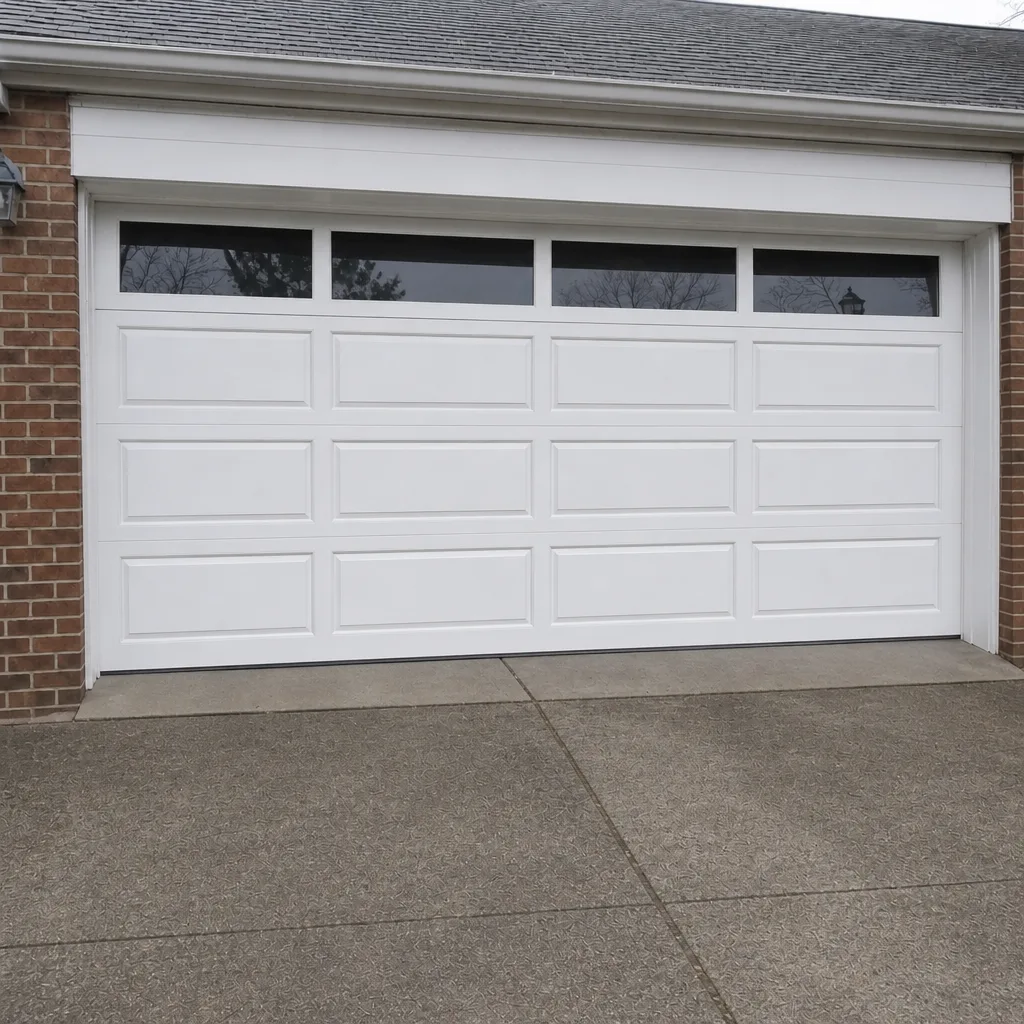
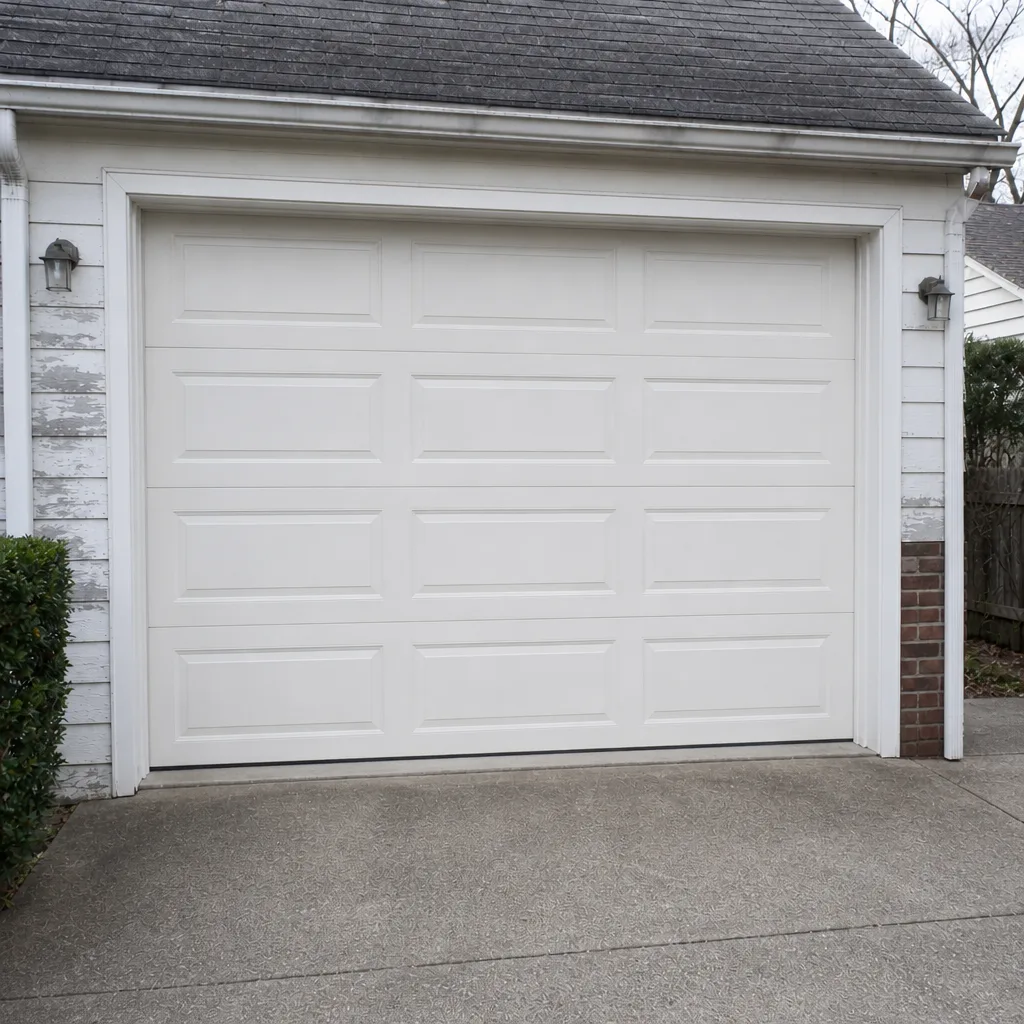
See the difference
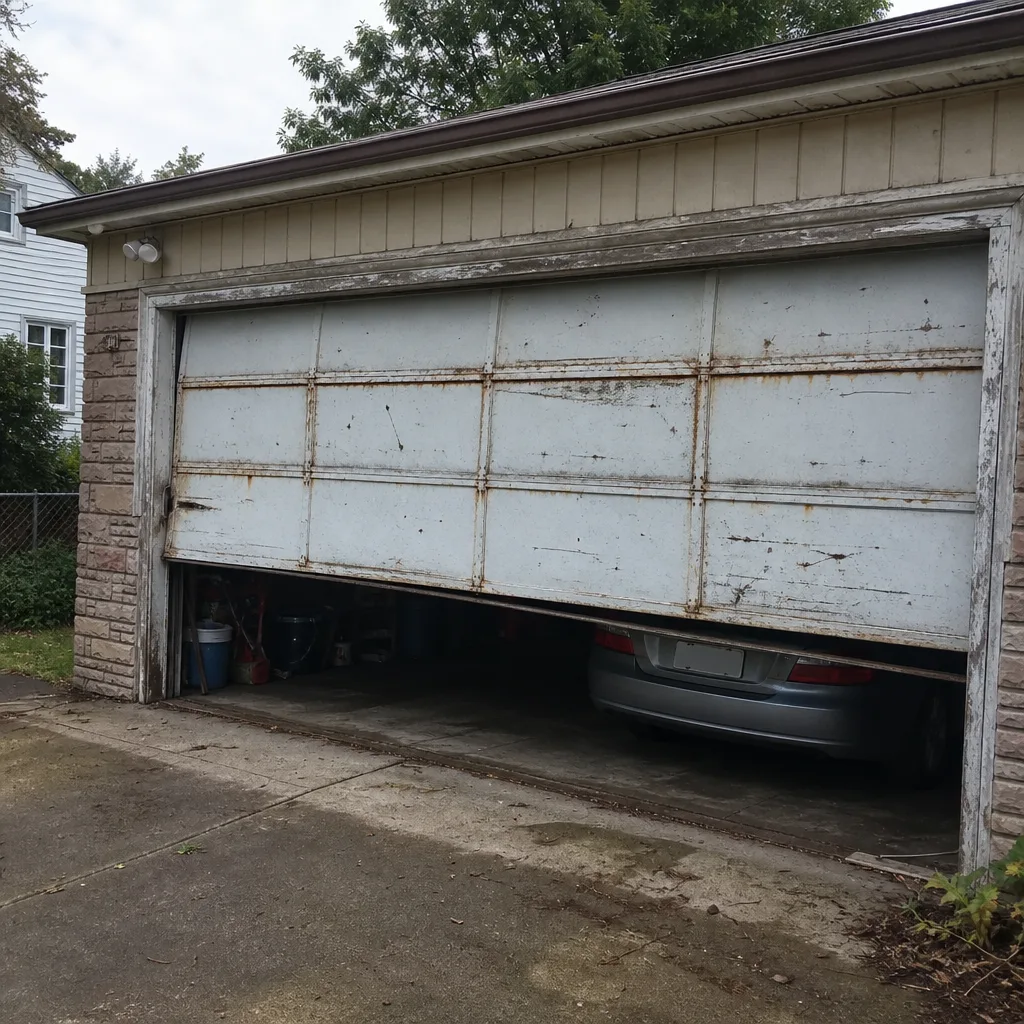 Before
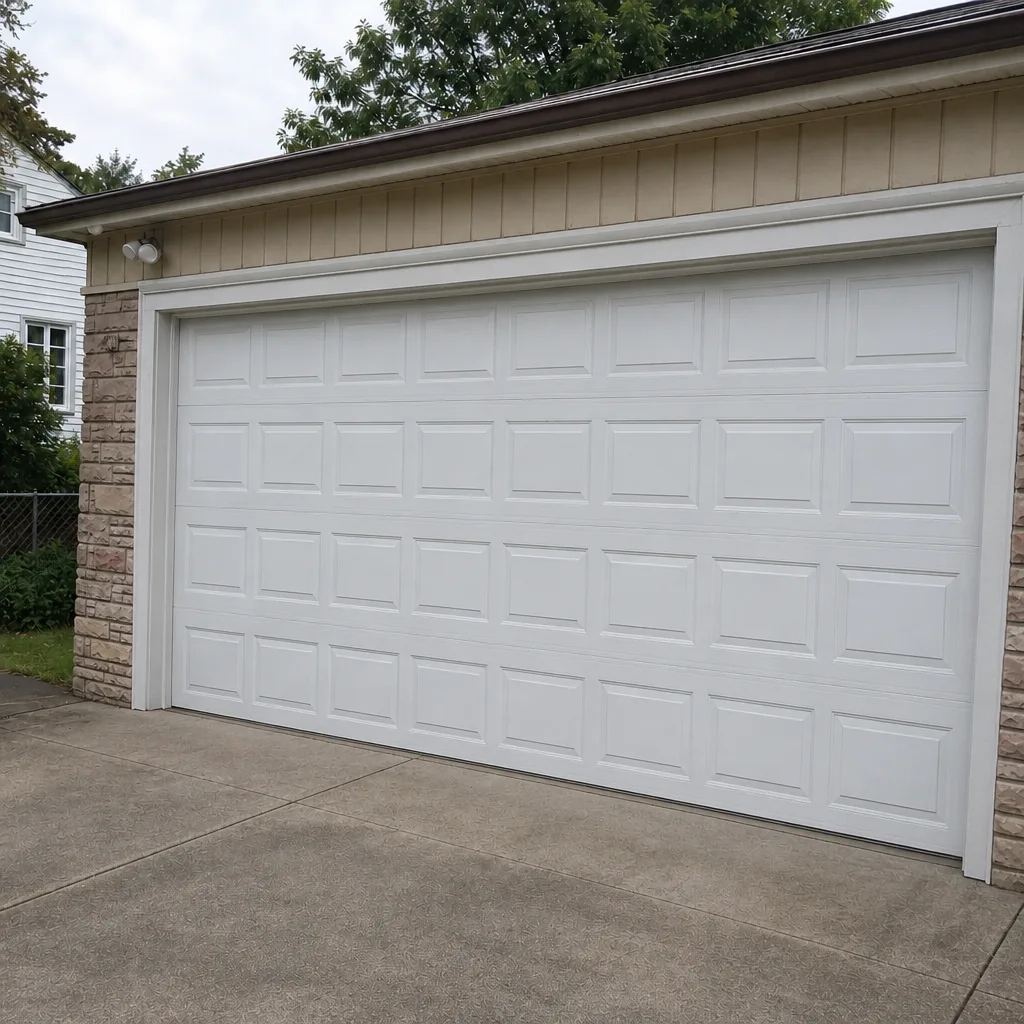 After
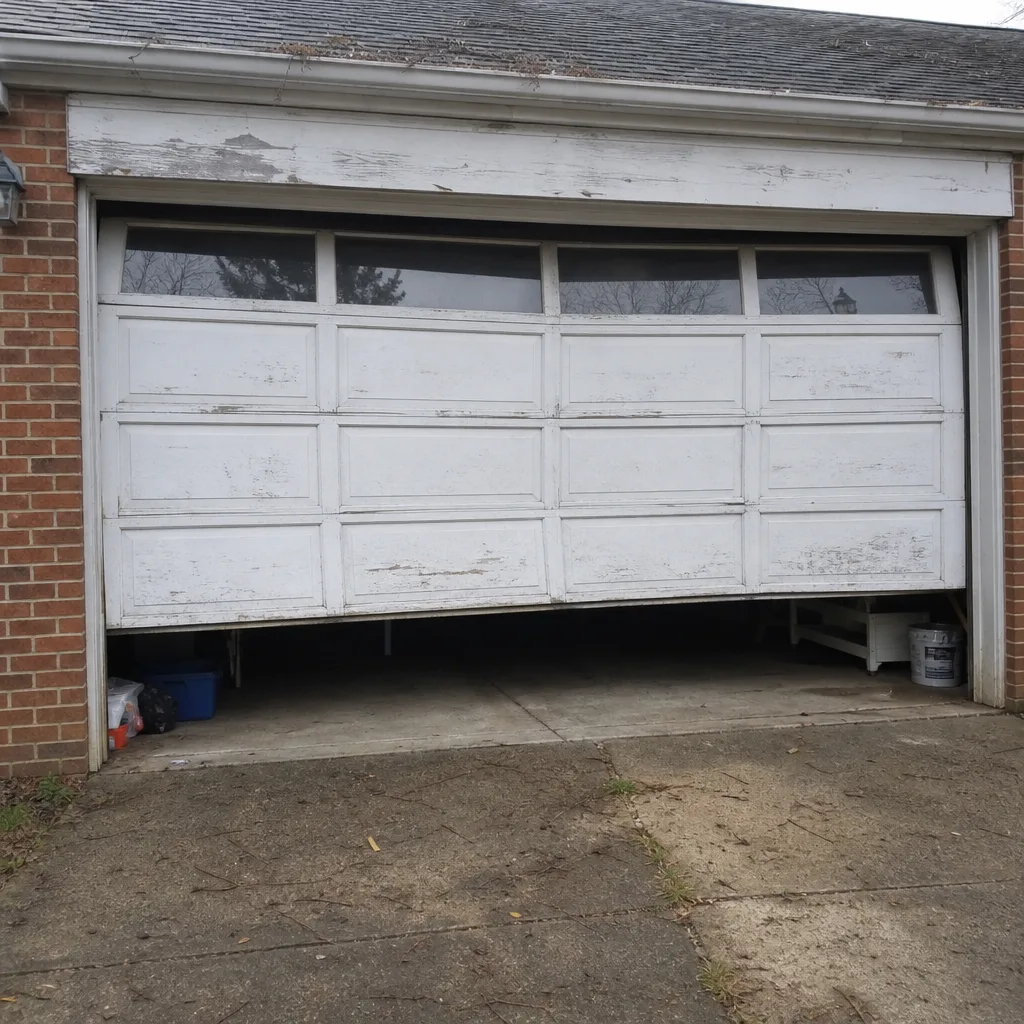 Before
 After
 Before
 After
When to Call a Professional
Call us if you see a broken or visibly stretched spring, a frayed or kinked cable, a door hanging crooked, a door off its track, or a door that slams shut instead of holding. Call us if the opener reverses on its own or runs without moving the door, and call us if a rattle or grind has gotten louder over a few months. And call us before you try to fix a tension spring yourself; that’s the one job we always recommend leaving to a technician. Our technicians have up to 12 years of experience and work on all the major brands, so your specific system gets diagnosed correctly. Highland Park Garage Door Repair Co offers free estimates – call (844) 742-5213.
Frequently Asked Questions
A broken spring or a frayed cable is the most serious, and both mean stop using the door immediately. A visible gap in a torsion spring or strands sticking out of a cable means the part has failed or is about to. Don’t run the door until it’s been looked at. Call (844) 742-5213 for a free estimate.
Typical spring repair runs from a few hundred dollars for a single spring to roughly double that for a matched pair, since a matched pair is usually replaced together. The exact price depends on your door and spring type. We give you a written price before any work starts, and estimates are free. Call (844) 742-5213 for a specific quote.
For a stuck door or a broken spring, you can call (844) 742-5213 and we’ll do our best to get someone there quickly. Have your brand handy (LiftMaster, Genie, Clopay, Wayne Dalton, and others); it helps us arrive with the right parts the first visit. Call for exact availability.
The written estimate is the price. If we open the door and find something extra, we come talk to you before we touch it and you approve or decline. No surprises on the invoice. That’s how it should work. Call (844) 742-5213 for a free estimate.
Yes – the local professionals we connect you with are licensed and insured as their state requires. The technicians who work on your door are trained specifically on garage door systems, not general handymen. Our technicians have up to 12 years of experience across the major brands.
Disconnect the opener with the manual release cord and lift the door by hand. If it moves smoothly, the opener is the problem; if it’s heavy or binds, the door is. If you’re unsure how to release it, call (844) 742-5213 and we’ll walk you through it or come look.
The Bottom Line
Warning signs are a diagnostic language, not a scare list. Grinding points at rollers; a pop points at a spring; a rattle points at loose hardware; an uneven door points at springs rather than tracks. Learn those four, check your springs and cables from the driveway a few times a year, and you’ll catch most problems before they cost you a bigger repair. Then let a specialist handle the tension parts, because that’s the one area where a little knowledge is a dangerous thing. If anything in this Highland Park guide sounds familiar, call (844) 742-5213 for a free estimate. We work on your specific system from the door to the opener to the springs, so it gets diagnosed correctly the first time.
Written by the team at Highland Park Garage Door Repair Co.