Last updated November 21, 2026
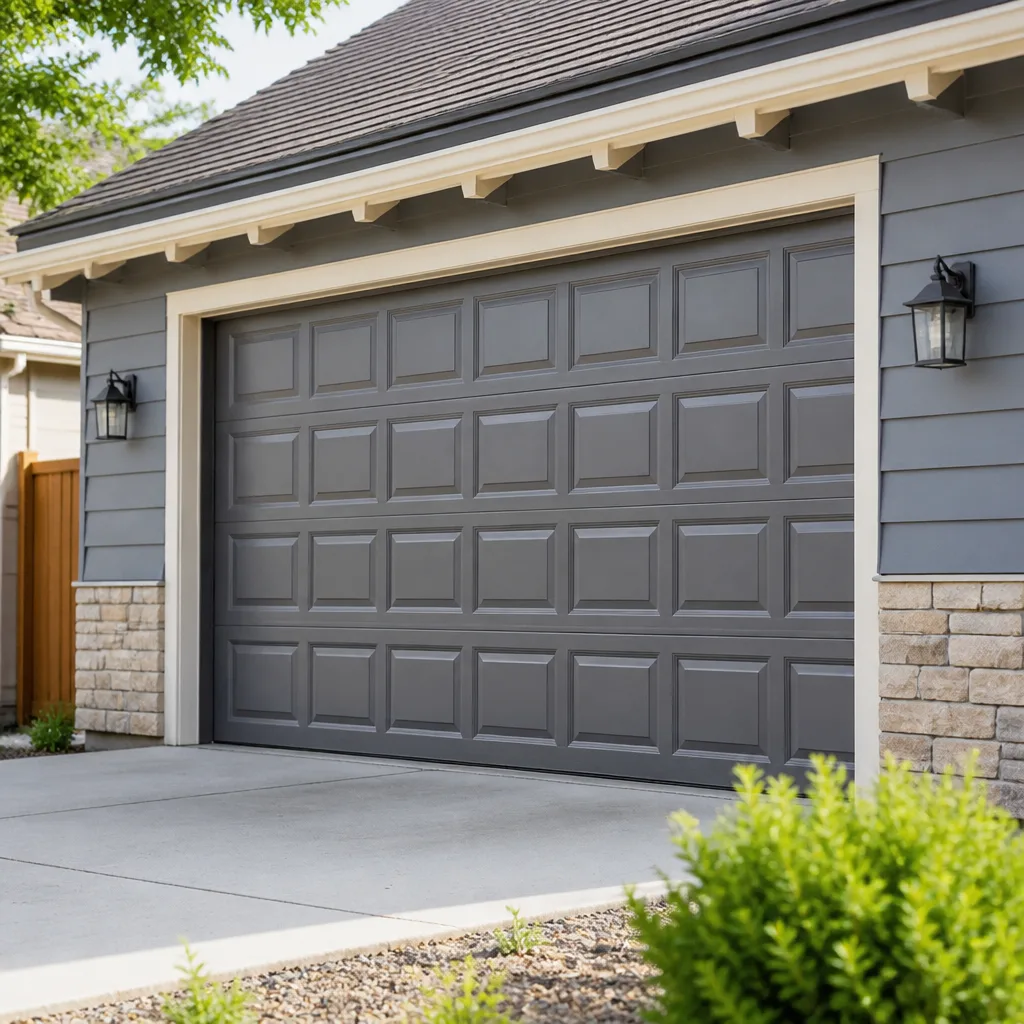 Raised-panel steel
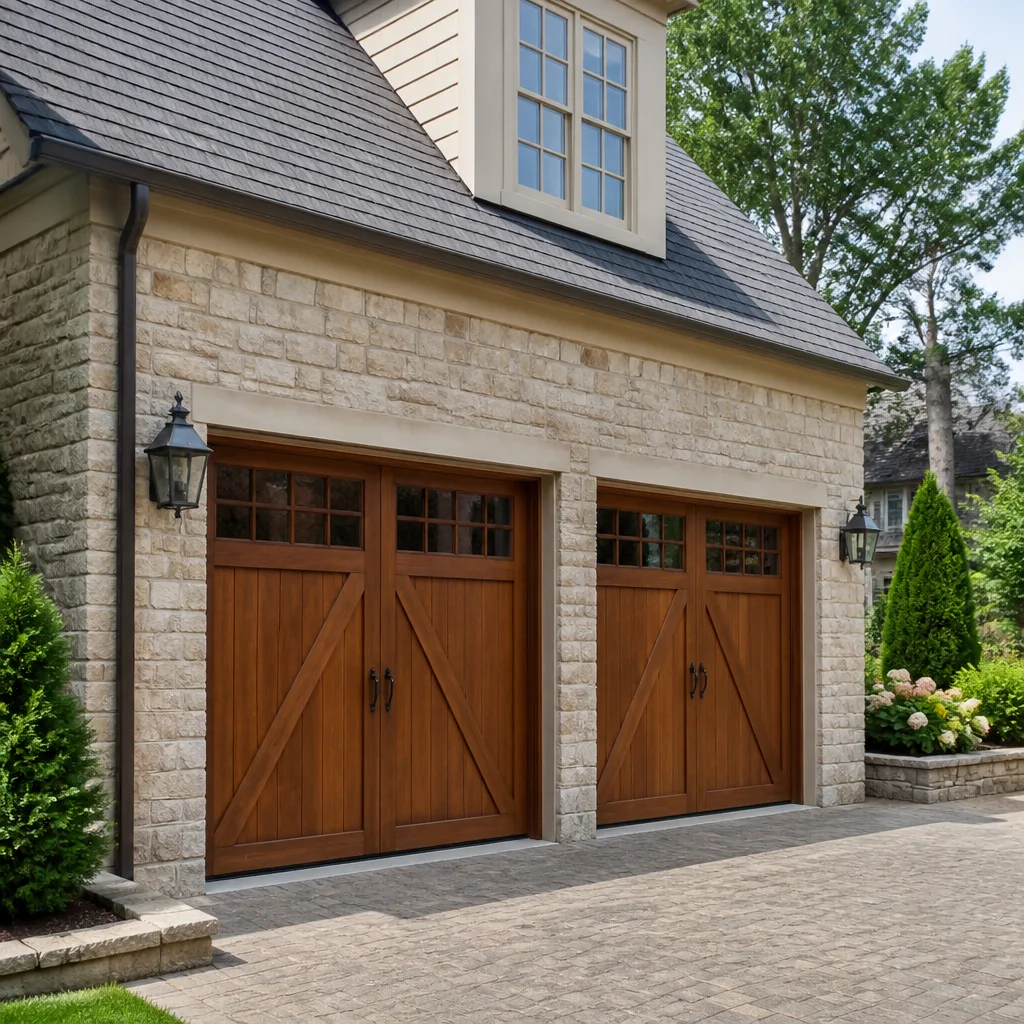 Carriage house
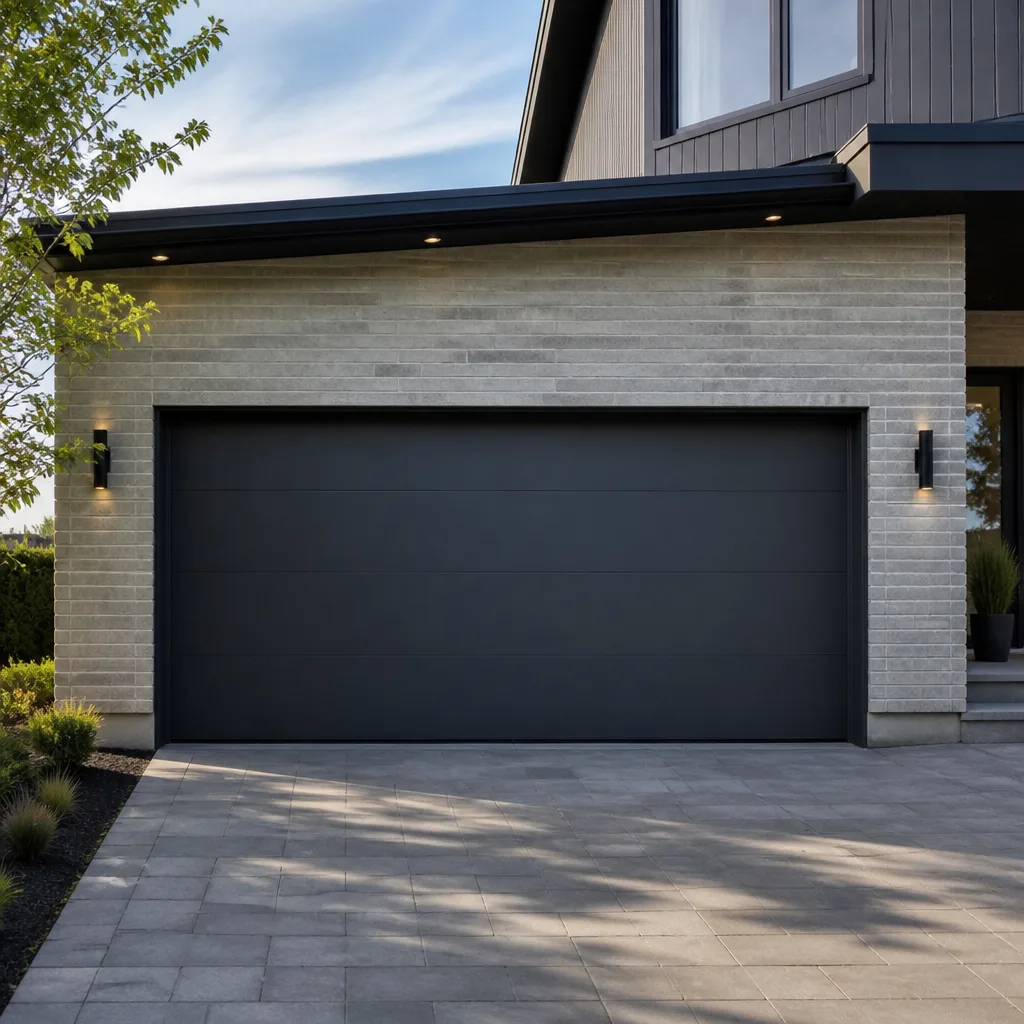 Modern flush
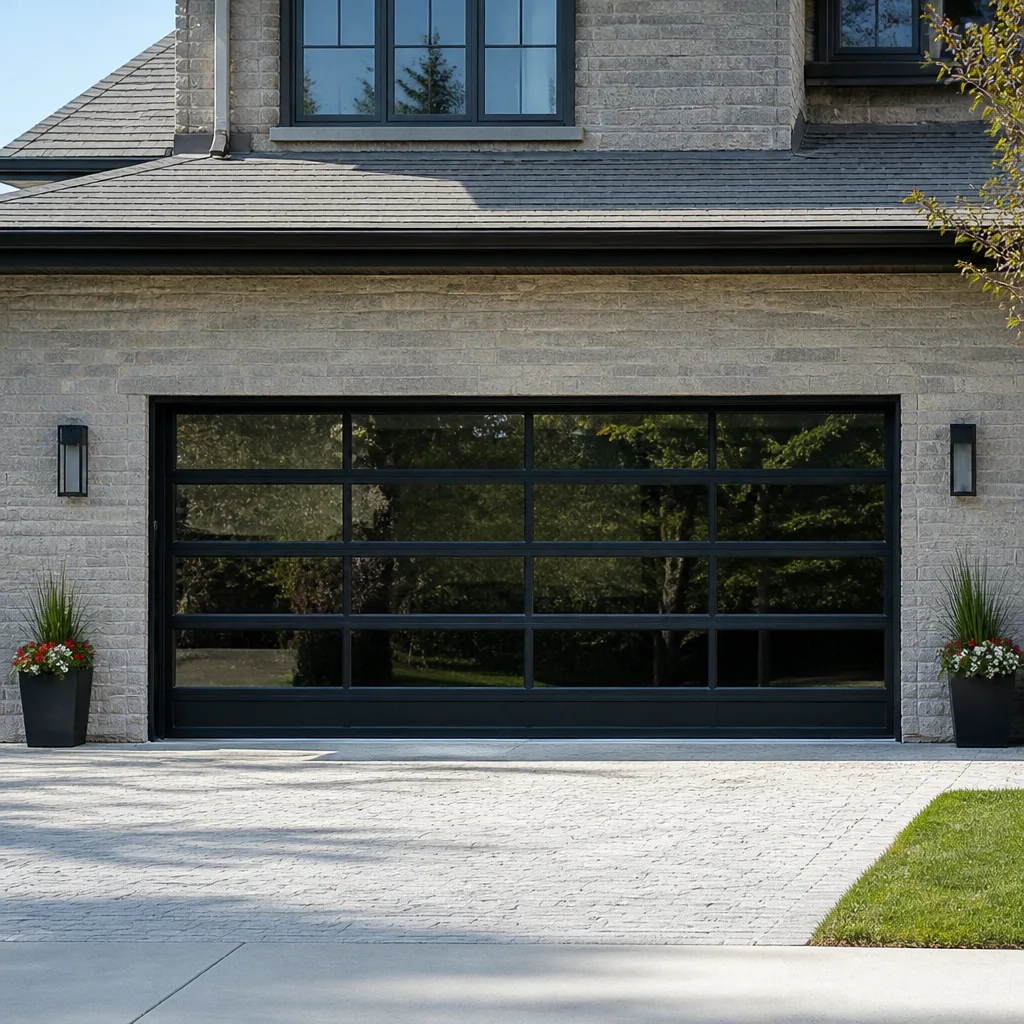 Full-view glass
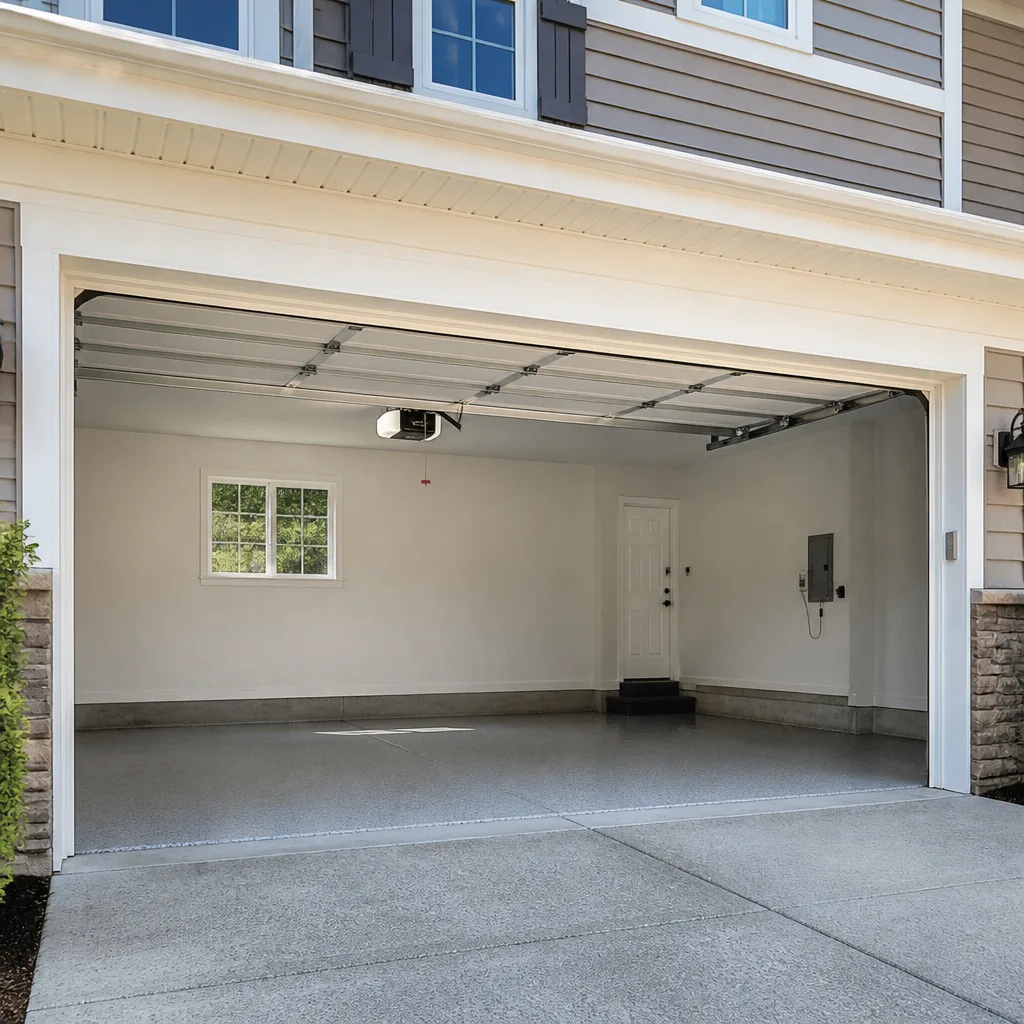 LiftMaster openers
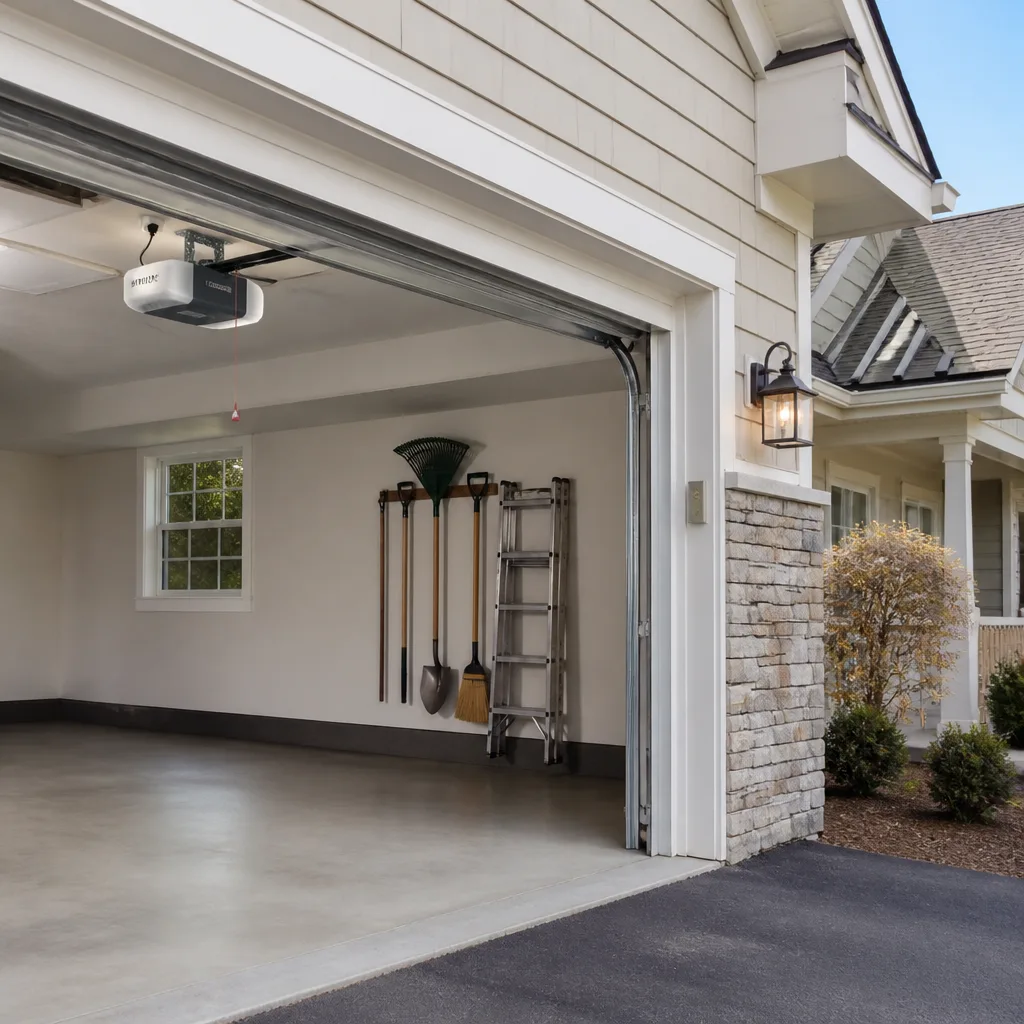 Chamberlain openers
Full 25-point door and opener safety check with every visit - springs, cables, rollers, tracks, and your LiftMaster or Chamberlain opener included
You get a price before we start. It does not change when the pro arrives.
Get your free estimateGarage Door Repair Troubleshooting in Highland Park: Common Problems and How to Fix Them
A garage door that reverses before it touches the floor isn’t broken. It’s doing exactly what it was programmed to do. The problem is almost always a misalignment of an inch or less in the safety sensor brackets, not a failed opener. That’s the thing about garage doors: the symptom you notice and the cause you’re dealing with are rarely the same. A door that won’t close points to sensors. A door that won’t open points to springs or the opener. A door that jerks and grinds points to tracks or rollers. In this guide, we’ll teach you to read your door’s behavior the way a technician does, so you know what you’re actually dealing with before anyone shows up at your Highland Park home.
Quick Answer
Most garage door problems in Highland Park trace back to one of four mechanical systems: springs, cables, the opener, or the tracks. You can usually narrow it down in under a minute by watching how the door moves and listening to what it sounds like. Sensors and limit switches are safe for homeowners to check and adjust; springs and cables are not, and they should always go to a trained technician.
Styles & brands we work with
- Raised-panel steel
- Carriage house
- Modern flush
- Full-view glass
- LiftMaster openers
- Chamberlain openers
Table of Contents
- The Four Systems That Cause Almost Every Garage Door Problem
- How to Read Your Door: Symptom-to-Cause Diagnosis
- The 2-Minute Sensor Alignment Test
- Why Torsion and Extension Springs Sound Different
- The One DIY Fix That’s Always Safe, and the One That Isn’t
- How Highland Park’s Freeze-Thaw Cycles Affect Your Door
- Symptom-to-Cause Reference Table
- Brand Matters More Than You’d Think
The Four Systems That Cause Almost Every Garage Door Problem
Every residential garage door in Highland Park is a balance of four systems working together. Learning them is the fastest way to stop guessing. When something goes wrong, one of these four is almost always responsible, and each one fails in a distinct way that you can identify from the driveway.
Springs. Springs carry the weight of the door. A standard single-car door weighs somewhere in the range of 130 to 200 pounds, and a double-car door is heavier still. The springs are doing most of that lifting, which is why a snapped spring makes the door feel impossibly heavy. You’ll learn to spot spring problems by sound and by where the door stalls.
Cables. Cables connect the bottom corners of the door to the spring system and keep the door level as it travels. A cable that has slipped off its drum or frayed will make the door rise crooked, bind, or stop partway. Cables are under extreme tension and are never a DIY item.
The opener. The opener is the motor and rail assembly that raises and lowers the door, along with the safety sensors near the floor, the wall button, and the remotes. Opener failures show up as a motor that hums without moving the door, a door that reverses immediately, or a remote that stops responding.
The tracks and rollers. The tracks guide the door and the rollers ride inside them. Bent tracks, worn rollers, or a track knocked out of plumb will cause grinding, squealing, or a door that binds on one side. This is the system most affected by temperature swings.
When a Highland Park homeowner calls us describing a problem, the first question we ask is which of these four it sounds like. Nine times out of ten, the answer narrows the diagnosis before we’ve even seen the door.
How to Read Your Door: Symptom-to-Cause Diagnosis
The most useful troubleshooting skill is watching the door move and noting exactly where it fails. Stand back and observe. The point of failure tells you which system is at fault, and you can do this without touching a single moving part.
- The door doesn’t move at all, and the opener clicks or hums. This usually points to the opener’s drive gear, a stripped trolley, or a door that’s too heavy for the opener because a spring has failed. If the door is heavy when you lift it by hand, the springs are the problem; if it’s light and the motor still won’t lift it, the opener is.
- The door rises a few inches and stops. A binding track, a worn roller, or a limit switch set too low. Check whether the door is crooked at the point it stalls.
- The door goes up but won’t come down, or reverses right away. Safety sensors, almost every time. A misaligned bracket or an obstruction in the beam path stops the door before it can close.
- The door is crooked, one side higher than the other. A cable has slipped, stretched, or broken. Stop using the door and call for service.
- The door is loud, grinds, or squeals. Worn rollers, dry hinges, or a track that’s been knocked out of alignment. Lubrication and a roller check solve many of these.
- The door slams down hard instead of easing onto the floor. The springs have lost tension or the opener’s travel limits need adjustment.
Notice that the symptom rarely names the system directly. A door that won’t close could be a sensor, a track, or a limit setting. Reading the door means looking at what happens just before the failure, not just the failure itself. That’s the difference between a homeowner who’s guessing and one who’s diagnosing.
The 2-Minute Sensor Alignment Test
Before you assume the opener is dying, run the sensor test. It’s the single most common cause of a door that refuses to close, and you can complete it in about two minutes with nothing but a flashlight and your eyes. The safety sensors are the two small units mounted near the floor on each side of the door, one sending an invisible beam to the other.
- Look at both sensor units. Each one has a small indicator light. If one light is on and steady and the other is off or flickering, the beam isn’t reaching.
- Use your flashlight to check the lens of each sensor. Dust, spider webs, and a leaf or two will block the beam and mimic a failed sensor.
- Look for anything in the path between them: a broom, a recycling bin, a garden hose, or a car parked too far in.
- Check that both brackets point straight across at each other. A bracket bumped by a bike or a shovel is a common cause. Straighten the bracket by hand and watch the indicator light.
- If the light won’t steady even with a clean lens and a clear path, the sensor itself or its wiring has an issue.
An inch of misalignment is all it takes to stop a door in its tracks. If that test clears the sensors, you’ve crossed the most likely cause off your list and you know to look at the tracks, springs, or opener instead. For sensor replacement, wiring repair, or a stubborn opener that won’t respond, our garage door opener repair service is where we’d start.
Why Torsion and Extension Springs Sound Different
The sound a failing spring makes isn’t just noise; it’s information. There are two spring types in residential doors, and each one announces trouble in its own way. Learning the difference helps you describe the problem accurately when you call and helps a technician arrive with the right parts.
Torsion springs mount horizontally on a steel shaft above the door, and they twist as the door opens. When one breaks, the sound is typically a sharp, flat bang like a gunshot, followed by the door becoming very heavy. Torsion springs often fail with a clean break, so the sudden loud crack is the giveaway. You’ll usually see a visible gap in the coil once you look up at the shaft. Torsion spring problems should never be adjusted at home; the spring is under enormous stored tension and can cause serious injury if handled without the proper tools and training.
Extension springs run along the horizontal tracks on either side of the door and stretch as it opens. They usually don’t fail with one dramatic bang. Instead, they sag, stretch, or break with a softer snap and a visible droop on one side. A door with a failing extension spring often pulls to one side or hangs unevenly. Extension springs should be paired with safety cables that run through the center of the spring so that if it breaks, it stays contained rather than flying across the garage.
The practical takeaway: a sudden loud crack from overhead and a door that won’t lift means torsion spring. A door that’s slowly gone crooked and squeaks or sags means extension spring. Either way, this is the repair to hand to a professional. It’s the most technical and most hazardous job in the trade, and it’s a dedicated service for us for exactly that reason.
The One DIY Fix That’s Always Safe, and the One That Isn’t
Some garage door adjustments belong in your hands. Others belong to nobody but a trained technician. Knowing the line between them keeps you safe and saves you from making a small problem worse.
Safe for homeowners: limit switch and travel adjustment on the opener. Most openers have up, down, and force settings near the motor. If the door stops a couple of inches short of the floor or slams too hard, adjusting these settings within the manufacturer’s instructions is a reasonable task. Lubricating hinges, rollers, and the opener rail is also safe and regular maintenance. Clearing the sensor path and straightening a bumped sensor bracket falls in this group too.
Not safe for homeowners, even though it looks easy: adjusting spring tension. Lifting the door and turning a spring-winding bolt look like simple hardware moves, but the energy stored in a wound garage door spring is enough to break bones or worse. The tools matter, and so does knowing exactly how much tension a specific door needs. This is a job for someone who does it on purpose, with the right equipment. Cables are the same story: cutting or re-drumming a tensioned cable is dangerous, and a slipped cable rarely fails on its own without an underlying cause that a technician needs to find.
For any repair beyond a limit setting or lubrication, our garage door repair service is the right call. We can talk through what you’re hearing and book the right technician for the job.
How Highland Park’s Freeze-Thaw Cycles Affect Your Door
Highland Park’s winters bring repeated freeze-thaw cycles, and your garage door takes the brunt of them. As temperatures dip below freezing at night and climb back above it during the day, metal contracts and expands on a daily rhythm. That motion quietly works on the parts that hold your door in alignment.
The most common result is that the tracks shift slightly out of plumb. A track that was perfectly aligned in October can bow or tip by an inch or two by January, and a door that’s binding on one side is often just following a track that moved. You’ll notice grinding, a door that stutters as it opens, or a gap at the bottom corner. Lubrication helps, but the real fix is checking track alignment and resetting it when the season changes.
Cold also stiffens the grease in the rollers and hinges. A door that was smooth in autumn can feel stiff and jerky on the first cold morning. Fresh lubricant goes a long way, and the right kind for cold weather is worth the small cost. Meanwhile, ice at the door’s bottom seal can freeze the door down and make the opener strain, which is why we recommend clearing any snowpack and ice buildup from the threshold before you open the door after a storm.
The freeze-thaw rhythm also tends to reveal existing problems. Cables that were slightly loose, springs that were a season past their best, sensors that were barely aligned: the cold snaps them into obvious failure. If your door acts up every January, the cause was probably there in October, and it’s a good prompt to have a technician look it over before the next cold front. In a place like Highland Park, seasonal maintenance matters more than the homeowner realizes until the first hard freeze.
Symptom-to-Cause Reference Table
Keep this reference handy at the door. Each row describes what you’ll observe and what it points to. The Highland Park condition column notes what a local homeowner is most likely to face when they see it.
- Door reverses immediately after starting down. Likely cause: safety sensors blocked, misaligned, or dirty. Highland Park note: often a bumped bracket or a snow shovel pushed through the beam after a storm.
- Door won’t lift and feels very heavy by hand. Likely cause: broken torsion spring. Highland Park note: torsion springs fail more often in winter cold snaps.
- Door is crooked, one side high. Likely cause: slipped or broken cable. Highland Park note: cold stiffens the cable and exposes a mounting at the end of its life.
- Door grinds or squeals while moving. Likely cause: dry or worn rollers, dry hinges, track out of alignment. Highland Park note: freeze-thaw cycles are the most common cause of track shift here.
- Door stops a few inches short, or slams down. Likely cause: limit switch or travel settings. Highland Park note: safe for you to adjust per the opener manual.
- Opener hums but the door doesn’t move. Likely cause: opener gear or trolley stripped, or the door is too heavy for the opener. Highland Park note: check whether the door is heavy by hand before blaming the opener.
- Remote or wall button stops working. Likely cause: dead battery, sensor issue, or opener logic board. Highland Park note: try the wall button first to rule out a remote problem.
- Loud bang from overhead, then door won’t lift. Likely cause: torsion spring failed outright. Highland Park note: stop using the door and call for dedicated spring repair.
- Door sags or droops on one side over weeks. Likely cause: extension spring stretching or failing. Highland Park note: check whether the spring sits in a safety cable.
- Door binds and shudders during travel. Likely cause: track knocked out of plumb, roller off the track. Highland Park note: very common after a deep freeze.
Read the rows as a starting point, not a final answer. Two symptoms can show up together (a stiff track and a dry roller, say), and a technician will confirm the cause before recommending a repair. The table saves you time and lets you describe the problem clearly when you call.
Brand Matters More Than You’d Think
Garage doors and openers aren’t universal, and the reason brands matter for troubleshooting is that each one has its own quirks and failure patterns. A technician who knows a system’s weak points diagnoses faster, and a parts supply that covers the major brands means the repair happens on the first visit rather than the second or third.
We work on systems from Clopay, Amarr, Wayne Dalton, and Craftsman, among the other widely installed residential brands, and the differences are real. Clopay doors have specific panel and track configurations that affect how a door behaves when a track shifts. Amarr’s construction means its rollers and hinges wear in patterns we know to check. Wayne Dalton systems, including its opener line, have particular logic settings and limit adjustments. Craftsman openers are common and reliable, but their safety sensor and remote systems have their own quirks that a homeowner shouldn’t have to decode alone.
Here’s why this matters to the frustrated homeowner: when a technician arrives and the door is a brand they’ve never touched, the job turns into a research project, often with a parts run that pushes the repair to another day. When the technician knows the system, the diagnosis is faster and the repair happens in one go. If you’re unsure what brand your door or opener is, check the label on the opener motor head and the door panels, or just tell us what you see and we can help identify it. From the door to the opener to the springs, we service what your garage actually has. If you’re considering a new system entirely, our garage door installation team can walk you through the options for your specific opening.
Common Mistakes to Avoid
- Assuming the opener is the problem when it isn’t. Ninety-percent of “my opener is broken” calls turn out to be a spring, a sensor, or a stuck door. Check whether the door lifts freely by hand before ordering an opener repair; if it’s heavy, the opener is fine and the spring isn’t.
- Adjusting spring tension yourself. This is the mistake that causes the most injuries in this trade. The spring is under enough stored energy to cause serious harm, and the right tools and training are the only safeguard.
- Ignoring a crooked door. A door that hangs unevenly is a cable or spring problem, and running the opener while it’s crooked puts stress on the whole system. In Highland Park’s cold snaps this is when small problems turn into larger repairs.
- Skipping the sensor test. A dirty lens or a bump to the sensor bracket looks exactly like a dead opener. A flashlight and two minutes of checking will save you a service call.
- Calling a general handyman for a spring or opener repair. Doors are a specific trade. A generalist may take the job and get the brand-specific details wrong, leaving you with a callback and the same problem.
- Forcing a stuck door with the emergency release. Pulling the release while the door is under tension can drop a heavy door on whatever’s underneath. If the door is stuck, stop and get the right help, not a manual override.
- Waiting until the problem fixes itself. Garage doors don’t heal. A stiff track or a worn roller gets worse, and the eventual repair costs more than the early one would have.
See the difference
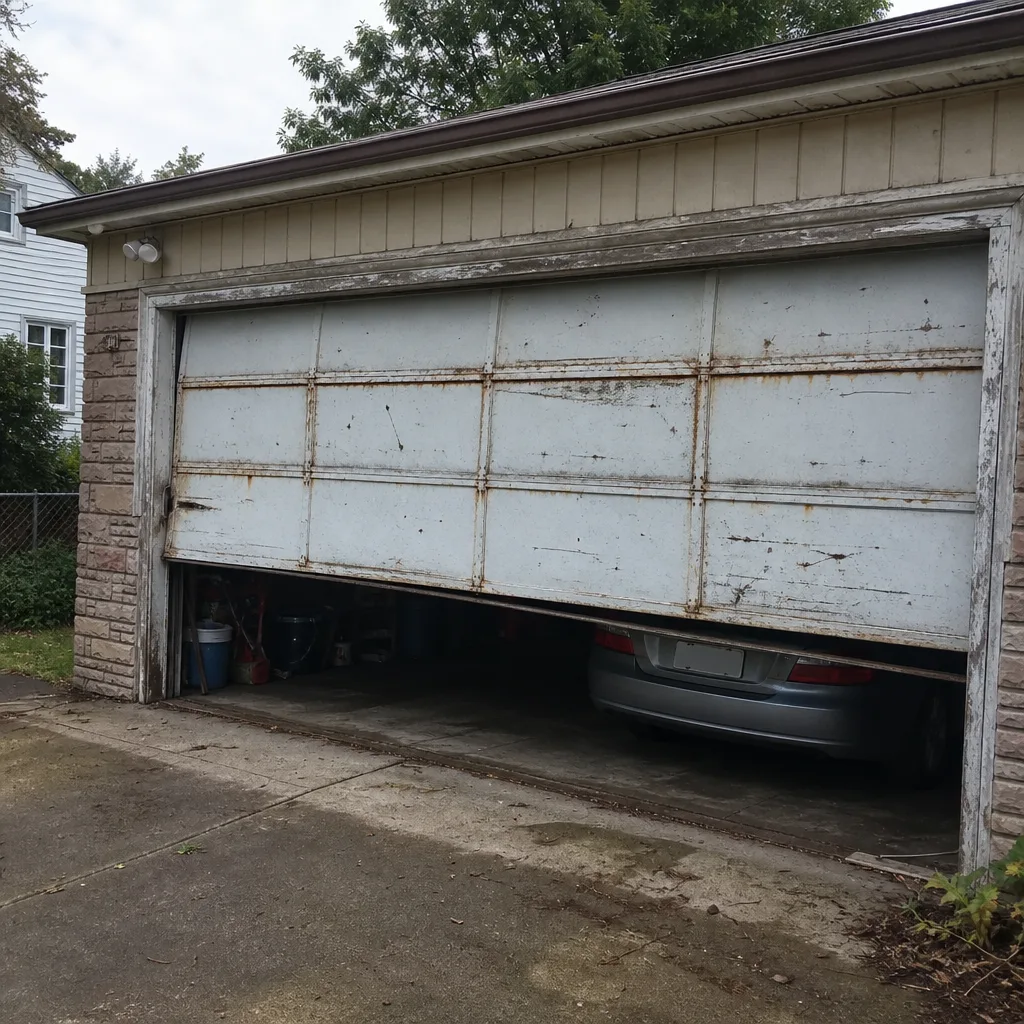 Before
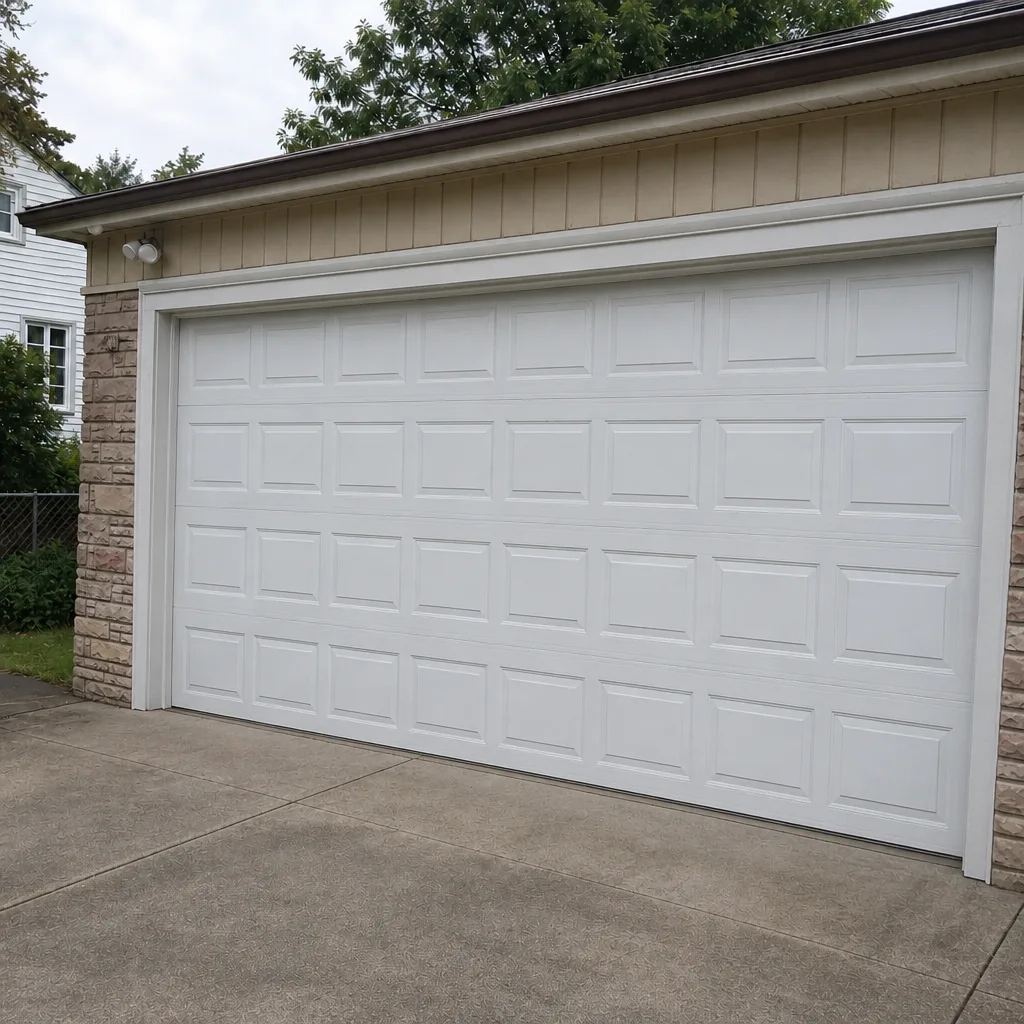 After
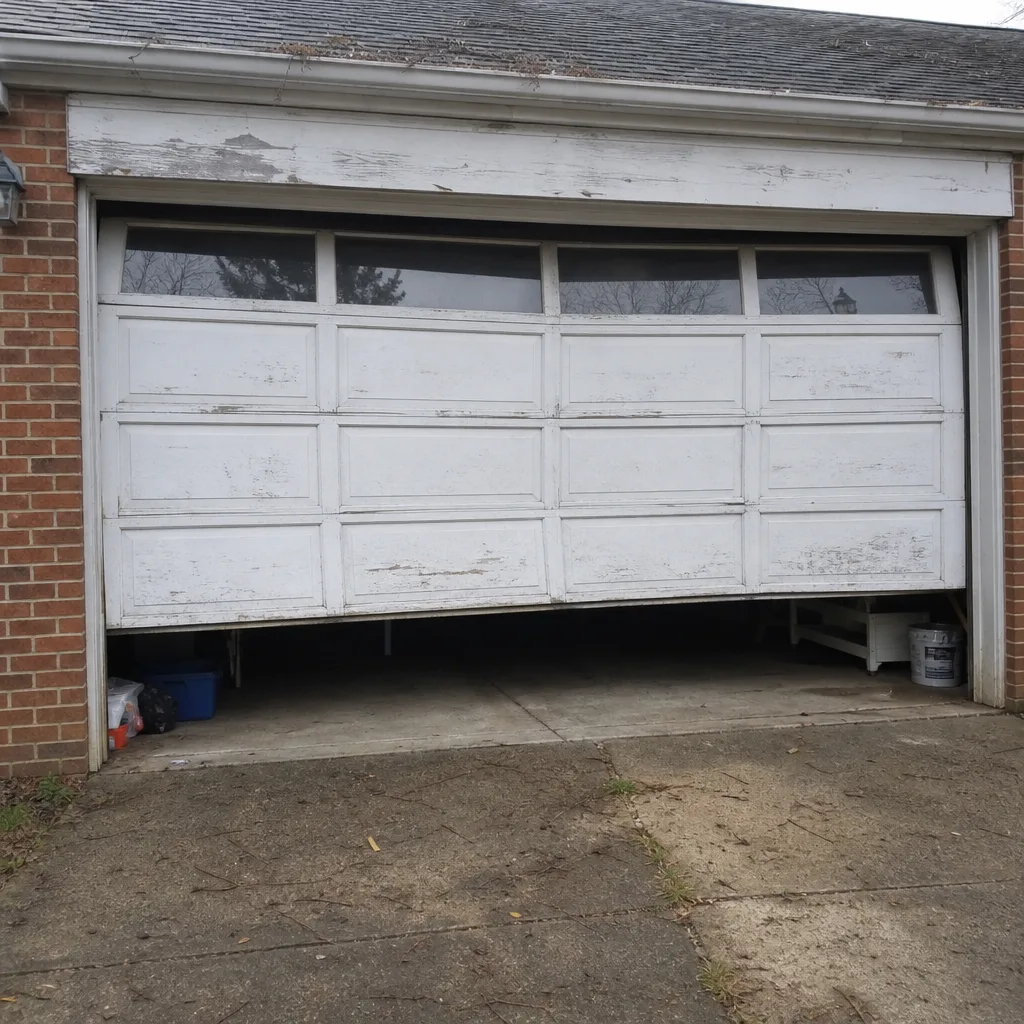 Before
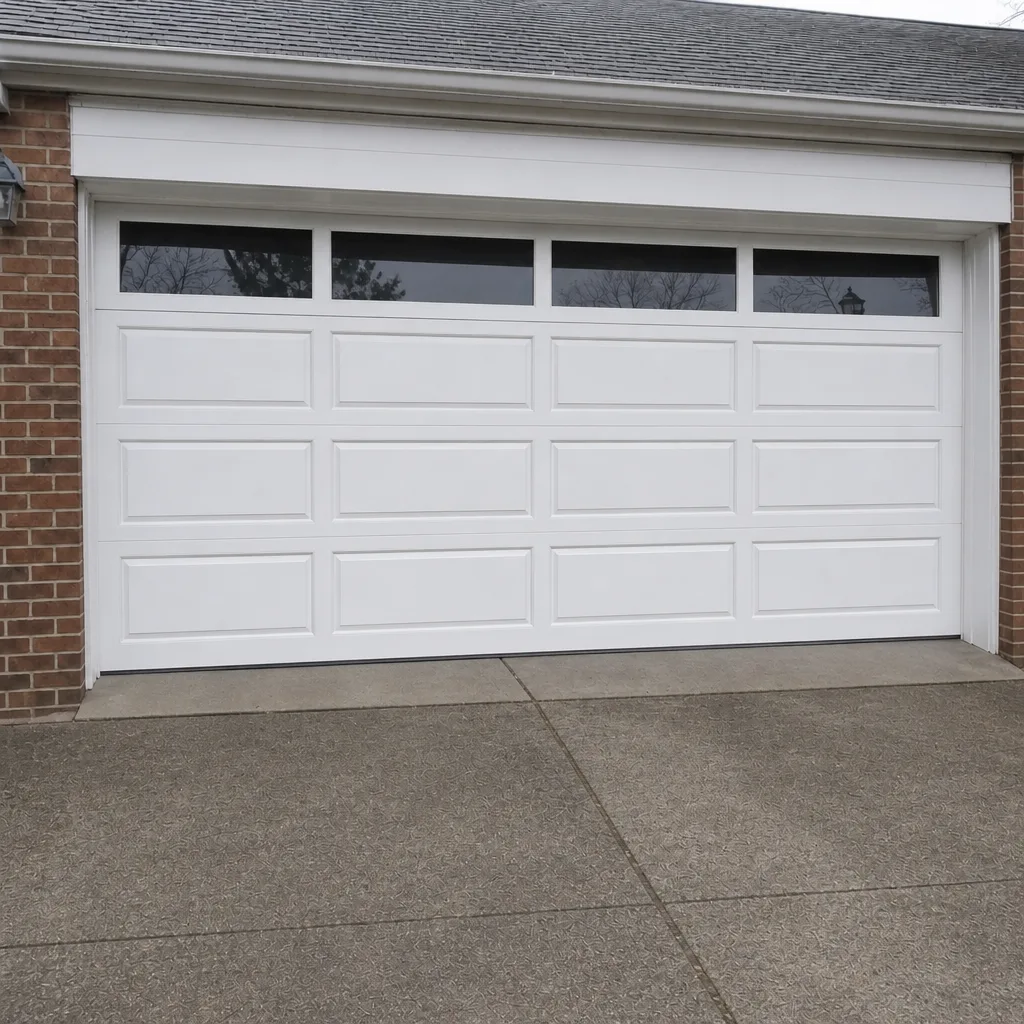 After
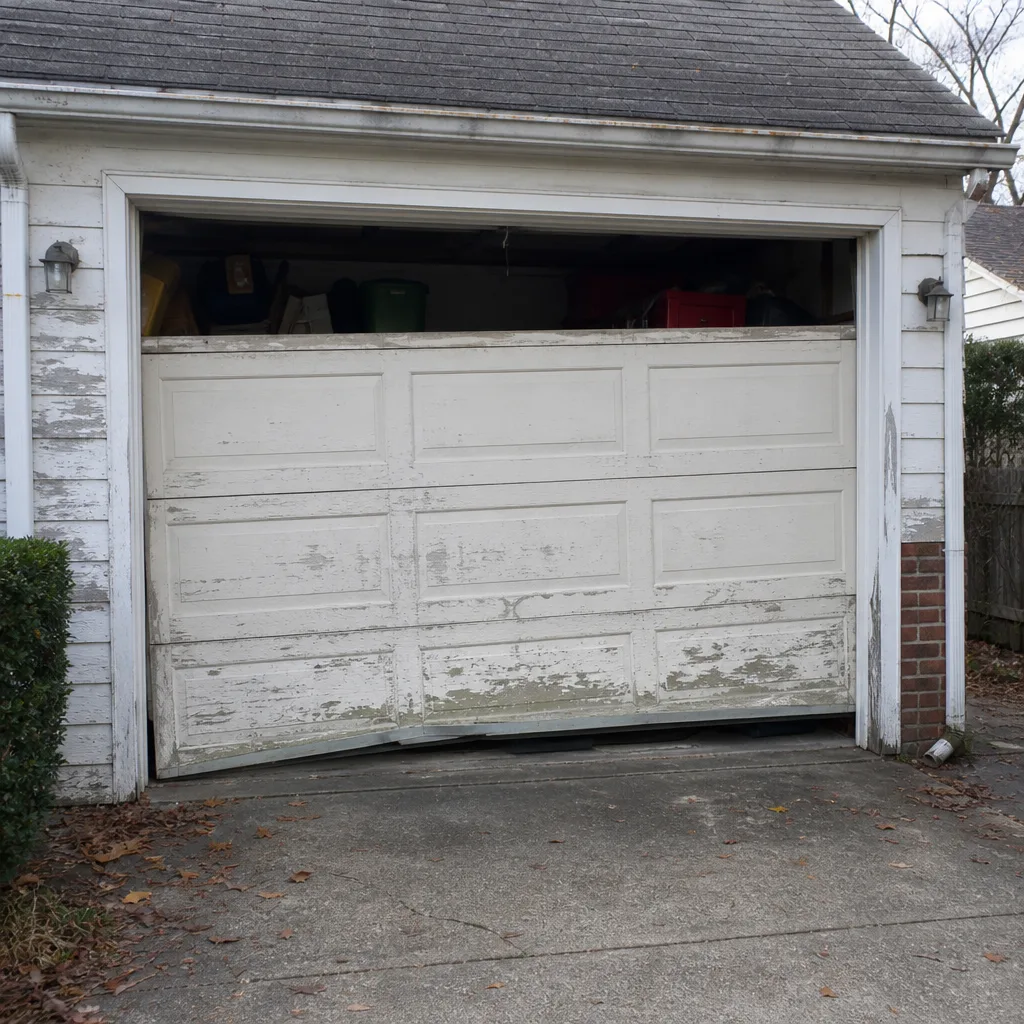 Before
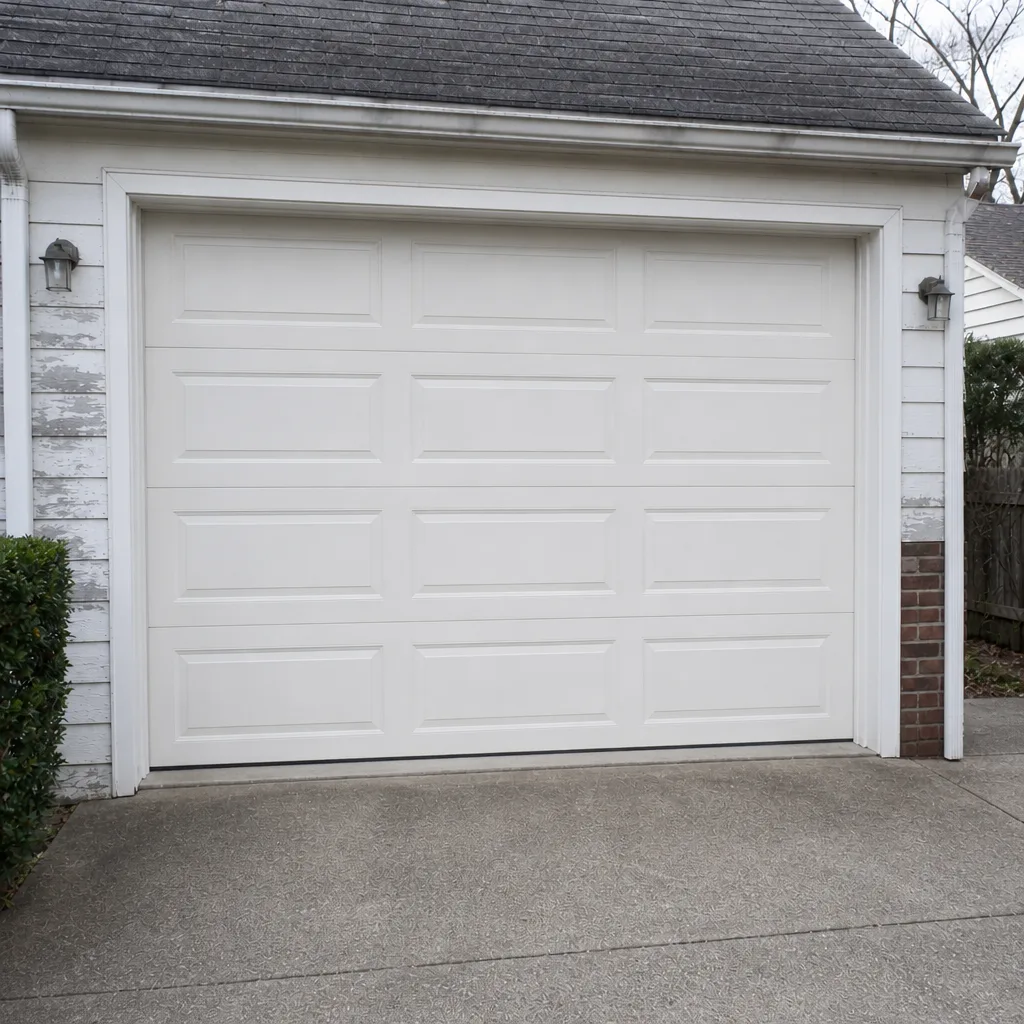 After
When to Call a Professional
Some garage door problems are worth a DIY look. Others are a call for a trained technician, and knowing the difference keeps you safe and saves you money. Call a professional if the door is heavy to lift by hand (spring), if it’s crooked or hanging unevenly (cable), if the opener hums without moving the door (opener gear), if you hear a loud crack from overhead, or if the tracks are visibly bent or out of alignment. Also call if the door has reversed or failed to close more than once and the sensor test didn’t fix it, if it’s making grinding or popping sounds, or if it’s been a few winters since anyone looked at the springs and cables. Any of these is worth a same-week visit.
At Highland Park Garage Door Repair Co, we offer free estimates in Highland Park. Call (844) 742-5213 and we’ll talk through what you’re seeing and book the right technician for the job.
Frequently Asked Questions
Your door is doing what it’s designed to do: the safety sensors are telling the opener something’s in the path. The most likely causes are a dirty sensor lens, an obstruction between the sensors, or a bracket knocked out of alignment by an inch or less. Run the flashlight test first, then call for service if it persists.
No, and please don’t. Springs store enough energy to cause serious injury, and adjusting them safely takes the right tools and training. Limit switches and lubrication are the safe DIY tasks; springs and cables are technician work. Call us if you’re unsure which you’re dealing with.
It’s usually a cable that has slipped or failed on one side, but a stretched or broken spring can cause the same uneven lift. Either way, stop using the door; running a crooked door puts stress on the opener and tracks. That’s a call for a technician to check before you use it again.
Torsion springs mount horizontally above the door on a steel shaft and twist as the door moves. Extension springs run along the side tracks and stretch as the door opens. If you look up and see a horizontal coil on a shaft, it’s torsion. If you see springs stretched along the sides, it’s extension. Both are technician jobs.
Cold weather itself won’t break a door, but it exposes weak parts and shifts tracks. Freeze-thaw cycles are the most common cause of track misalignment here, and stiffened grease makes rollers and hinges stick. If your door struggles every winter, it’s worth a seasonal checkup before the next cold snap.
We work on the major residential brands, including Clopay, Amarr, Wayne Dalton, Craftsman, LiftMaster, Chamberlain, Genie, and Raynor. If you’re not sure what you have, check the label on the opener motor head or the door panels. Call (844) 742-5213 and we’ll confirm before we book the visit.
The Bottom Line
Garage door problems look mysterious until you understand that four systems do all the work: springs, cables, the opener, and the tracks. Learn to read the symptom, and the cause narrows fast. Sensors and limit settings are safe to check yourself; springs and cables are not, and no amount of Googling makes them a homeowner job. In Highland Park, freeze-thaw cycles make track alignment and cold-weather lubrication part of regular upkeep, and brand familiarity saves time when something does fail. Start with the symptom, cross off the safe fixes, and call a professional for the rest. Highland Park Garage Door Repair Co is here when you need a technician: Highland Park Garage Door Repair Co offers free estimates at (844) 742-5213.
Written by the team at Highland Park Garage Door Repair Co.