Last updated November 21, 2026
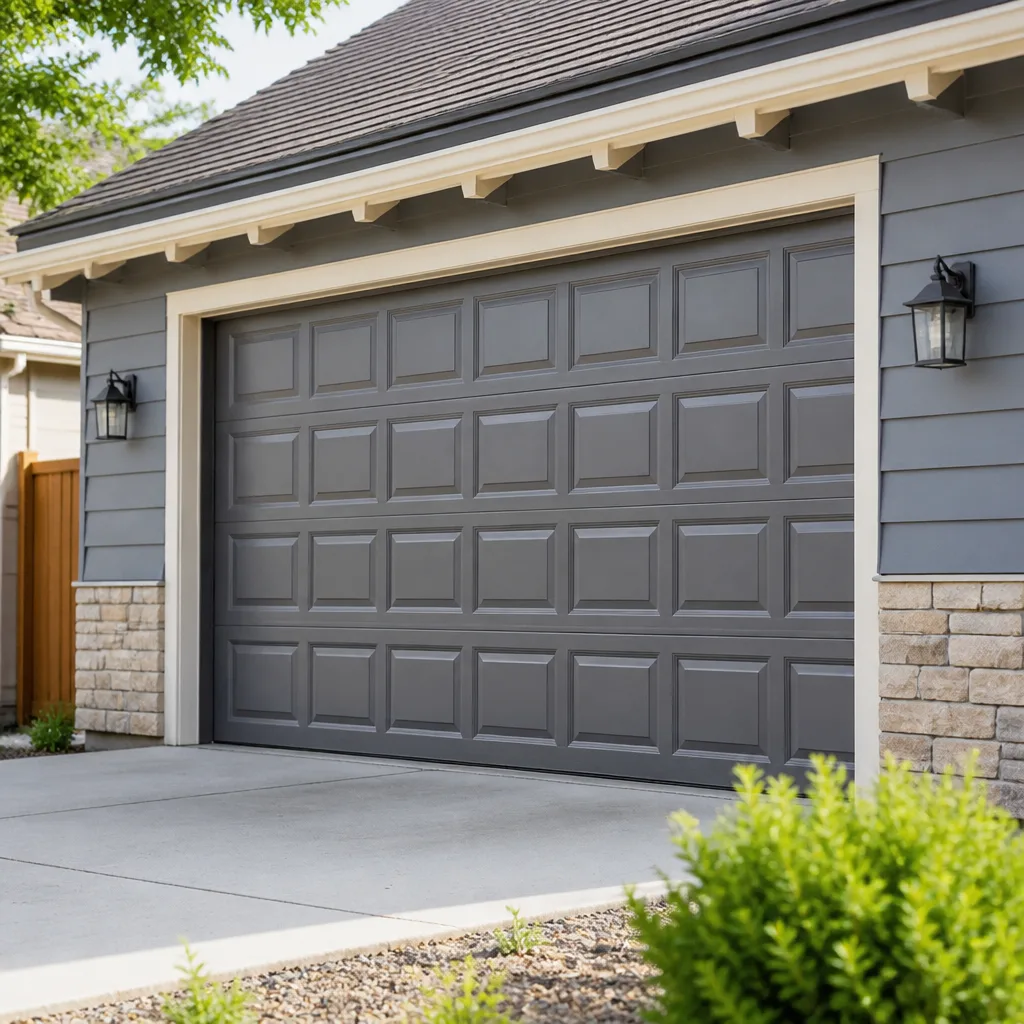 Raised-panel steel
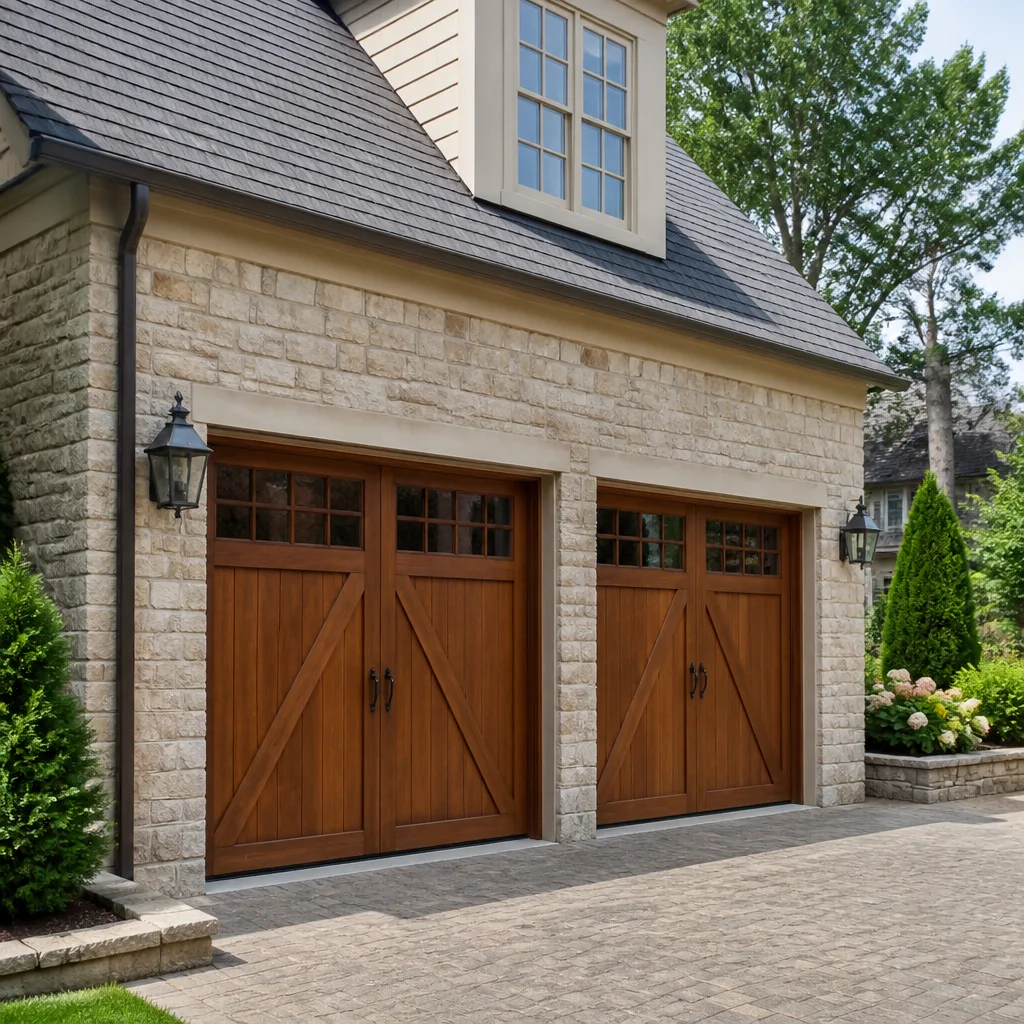 Carriage house
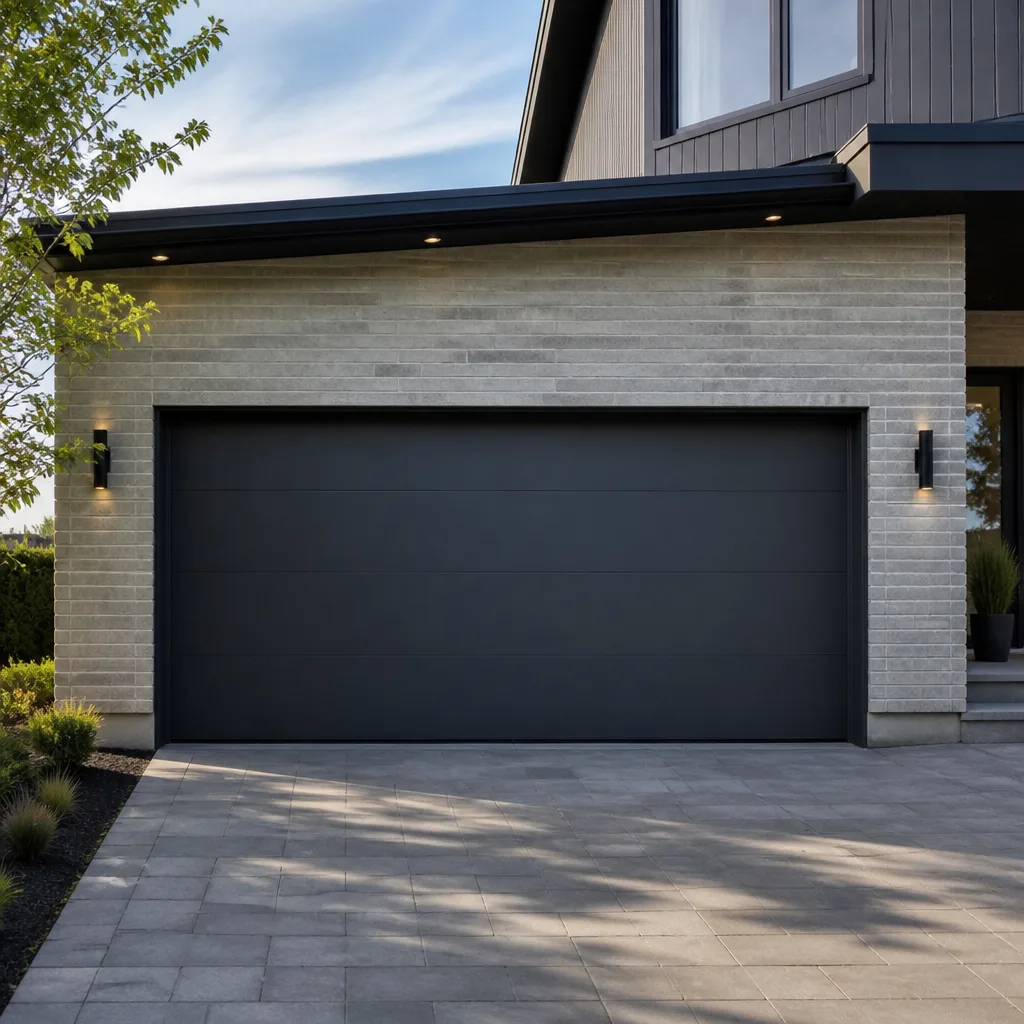 Modern flush
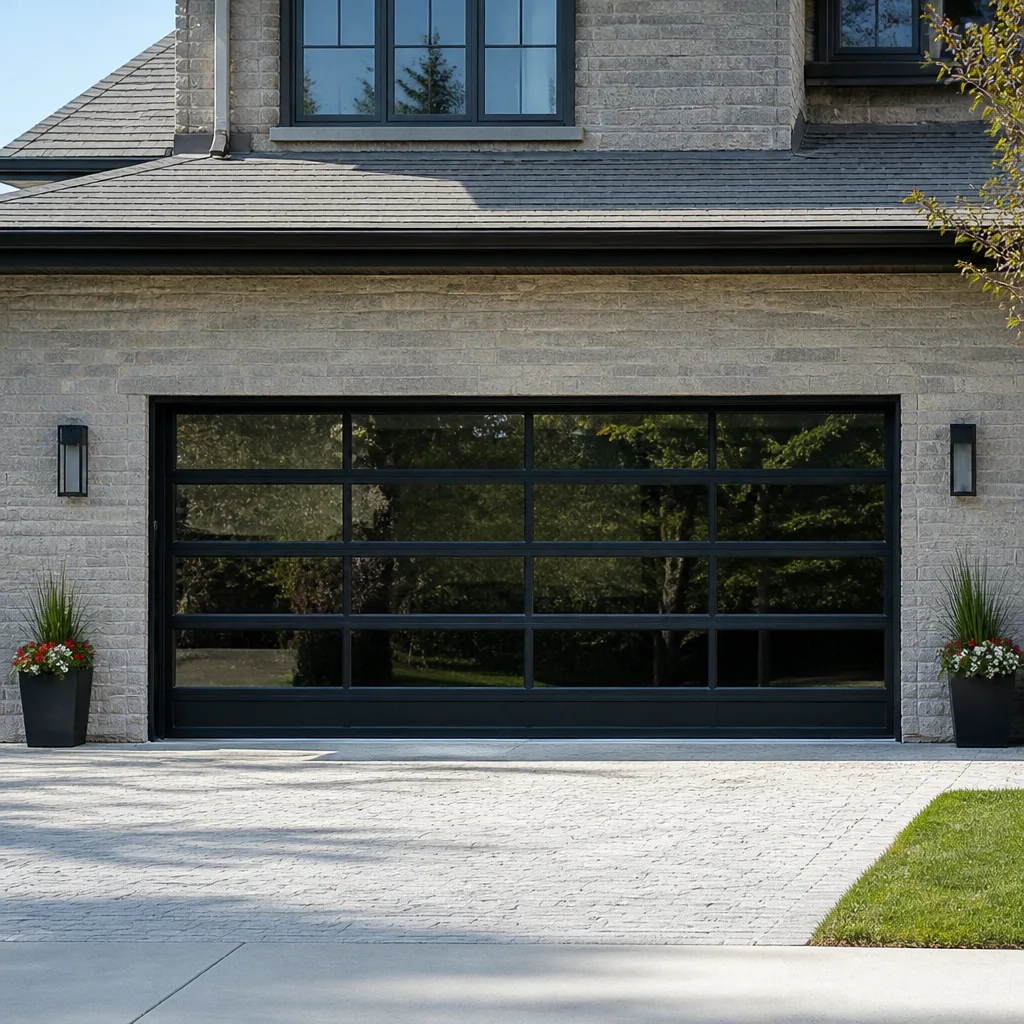 Full-view glass
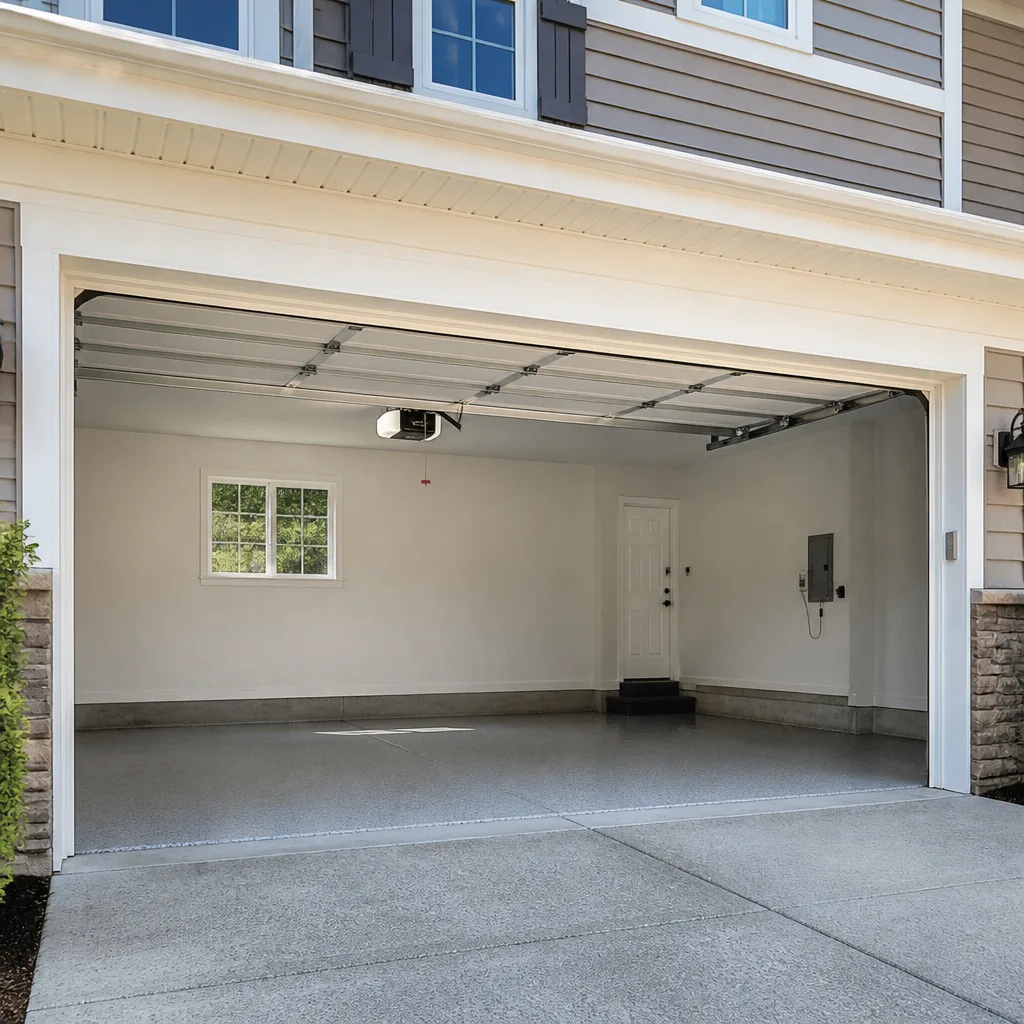 LiftMaster openers
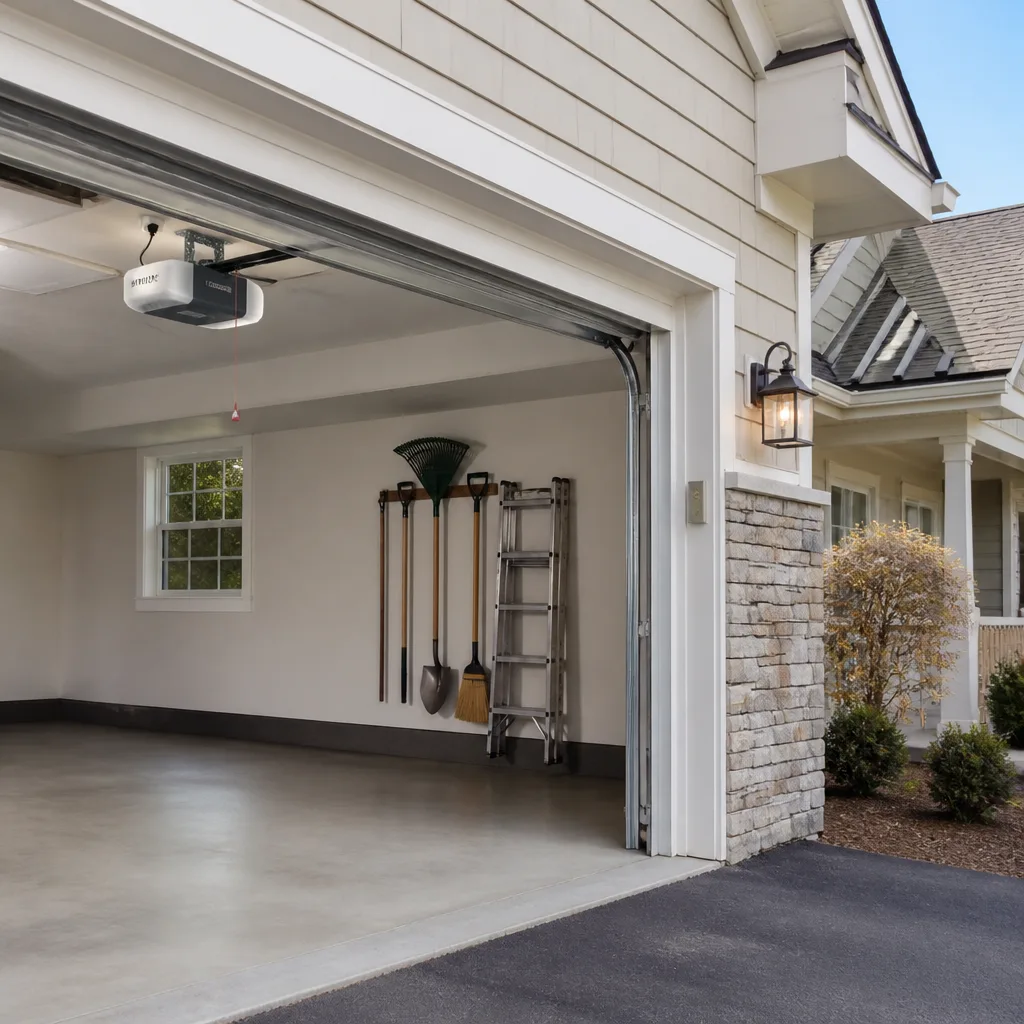 Chamberlain openers
Full 25-point door and opener safety check with every visit - springs, cables, rollers, tracks, and your LiftMaster or Chamberlain opener included
You get a price before we start. It does not change when the pro arrives.
Get your free estimateGarage Door Repair Maintenance Checklist for Highland Park Homeowners
Most garage door advice tells you to “lubricate twice a year and call a pro if something breaks.” That guidance is too vague to act on. It never tells you what actually fails first, what damage is already permanent, or what can safely wait another season. Here’s a detail worth knowing: skipping lubrication on torsion spring coils doesn’t just shorten spring life. It can void the manufacturer’s warranty on a system under two years old, and most homeowners only learn that after a failure. This guide prioritizes every task into red, yellow, and green tiers, so you know what to do now, what to schedule, and what’s fine to leave alone. We’ll also cover lubricants that survive Highland Park’s temperature swings, sensor tests that actually test something, and how to log your work for warranty purposes.
Quick Answer
A garage door maintenance checklist has three tiers of priority. Red tasks are safety checks and must be done now: test the auto-reverse and photo-eye sensors, inspect springs and cables for visible damage, and confirm the door balances. Yellow tasks should be scheduled within the next month or two: lubricate moving parts, tighten hardware, and check the weather seal. Green tasks can wait: touch-up painting, cosmetic panel work, and cosmetic hardware swaps. Lubricant choice matters more in Highland Park than in milder climates, because products that work in July can gum up by January. Log every task with a date so you have maintenance evidence if a warranty claim ever arises.
Styles & brands we work with
- Raised-panel steel
- Carriage house
- Modern flush
- Full-view glass
- LiftMaster openers
- Chamberlain openers
Table of Contents
- The Three-Tier System: Red, Yellow, Green
- Red Tasks: Do These Now
- Yellow Tasks: Lubrication That Survives Highland Park Winters
- Yellow Tasks: Hardware, Rollers, and Tracks
- What You Can See vs. What Only a Technician Can Assess
- How to Test Auto-Reverse and Photo-Eye Sensors Correctly
- How to Log Maintenance for Warranty Evidence
- Seasonal Schedule for Highland Park
The Three-Tier System: Red, Yellow, Green
Every maintenance item on every garage door falls into one of three categories based on what happens if you skip it. Some things fail immediately, others fail after months of neglect, and a few just affect appearance. Knowing which is which is the whole point of a prioritized checklist.
Red items protect people and prevent catastrophic damage. If the auto-reverse doesn’t work, the door can crush something or someone underneath it. If a spring is cracked or a cable is frayed, moving the door puts everyone nearby at risk. Red items get checked every month and acted on immediately.
Yellow items wear slowly and give you a window of weeks to act before real problems set in. Lubrication, hardware tightening, weather seal replacement, and roller inspection all fall here. Neglect them long enough and they become red items, usually with a bigger bill attached.
Green items are appearance and comfort upgrades. Painting, replacing decorative hinges, adding insulation strips to the bottom seal, and repainting the frame. These can wait until the weather suits the job. Nobody gets hurt by skipping a coat of paint.
In our experience, most Highland Park homeowners either ignore every category or overspend on the green tier while neglecting the red. The three-tier system stops both mistakes. Check red items monthly, yellow items quarterly, and green items whenever you feel like it.
Red Tasks: Do These Now
These are non-negotiable. If any of them fails, stop using the door and call a professional immediately.
- Test the auto-reverse safety mechanism. Place a 2×4 flat on the floor under the middle of the door. Press the opener button to close it. The door should reverse within two seconds of contacting the board. If it doesn’t, the opener needs adjustment or repair before you open it again.
- Test the photo-eye sensors. The two small lenses near the floor on each side of the door are the reason the door stops when someone walks through. Point one at the other, confirm both indicator lights are steady, then pass a rigid object through the beam while the door is closing. The door should reverse. If it doesn’t, the sensors need to be realigned or replaced.
- Inspect springs visually every month. Torsion springs sit above the door on the header wall; extension springs run along the ceiling on each side. Look for a visible gap in the coil. A cracked spring is a broken spring. Never attempt a spring repair yourself. Call garage door spring repair for this; it’s the one repair with the highest risk of serious injury.
- Look for frayed cables. The cables on each side of the door should be tight and full. A fray visible at the drum or near the bottom bracket means a cable is about to fail.
- Check door balance. Disconnect the opener with the release cord, lift the door to halfway, and let go. If it stays put, the springs are balanced. If it slams down or drifts, the springs are under or over tension.
- Listen for new sounds. A sharp crack, a pop, or a metal scrape coming from the door is not normal. These sounds usually signal spring or opener trouble in progress.
Any failed red item warrants a call to a technician. In our experience, a failed red item that gets ignored turns into a bigger repair within weeks. If you’re not sure whether the door is safe to operate, don’t operate it.
Yellow Tasks: Lubrication That Survives Highland Park Winters
Lubricant choice is the most overlooked piece of maintenance. Standard machine oil works fine in warm weather, but Highland Park’s temperature swings push it toward the extremes of both ranges. A lubricant that stays thin and effective in July can thicken and gum up when January temperatures drop below freezing.
The right answer for most residential doors is a lithium grease stick or a silicone spray on the rollers and hinges, and a dedicated spring lubricant on torsion spring coils. The easiest way to remember is: metals that slide get spray, metals that pivot get stick.
Skip these at your peril:
- WD-40 original formula. It’s a water displacer, not a long-term lubricant. It thins out fast and can strip existing grease off the moving parts.
- Cooking spray or motor oil. Both gum up in the cold and leave sticky residue that attracts dust and grit.
- Heavy gear oil. It’s too thick for the small pivots on hinges and can leave the door feeling sluggish in cold weather.
Apply lubricant to hinges, rollers, the torsion spring coils, and the opener rail. Wipe off any excess. Do this once in spring and once in fall, before the temperature swings. Skipping lubricant on the torsion spring coils is where the warranty clause can bite you. Most spring manufacturers void the warranty if the coils weren’t lubricated on the recommended schedule, and a two-year-old system with a cracked spring and no lubrication trace is a hard claim to win.
If you’ve been ignoring this and want the whole system checked, a garage door repair visit can catch what you’ve missed and establish a fresh baseline.
Yellow Tasks: Hardware, Rollers, and Tracks
These are the parts that don’t fail dramatically but quietly wear out and start making noise, and later they cause jams.
- Tighten every hinge and bracket bolt. Doors vibrate as they move, and vibration loosens fasteners over months. Snug every bolt you can reach with a socket wrench. Don’t overtighten; snug is enough.
- Check the rollers for flat spots and cracks. Nylon rollers develop flat spots that clunk against the track. Steel rollers develop rust in the bearing. Replacement is cheap; leaving them in place wears the track.
- Inspect the track for bends and dents. Run your hand along the outside of each track. Feel for a bend. Small bends can often be eased back; major ones need a track replacement.
- Check the lift cables are running evenly. The door should lift and lower level. If one side lags, the cables or drums are out of sync.
- Inspect the bottom weather seal. A brittle, cracked rubber seal lets cold air and moisture in. In Highland Park’s winters, that moisture can freeze and bind the door.
- Test the manual release. Pull the red cord and make sure it releases cleanly, then reengage. It should glide in both directions.
Opener-specific hardware, like the belt, chain, or screw drive and the limit switches, is usually diagnostic work. If the opener surges, reverses unexpectedly, or the light flashes a code sequence, that’s a sign the unit needs a technician. We handle garage door opener repair on LiftMaster, Chamberlain, Genie, Craftsman, and Raynor systems in Highland Park, and the code patterns tell a trained tech exactly what’s wrong faster than guessing with a manual.
What You Can See vs. What Only a Technician Can Assess
Some wear is visible to a careful homeowner. Some is not, and pretending it is puts you at risk.
What you can see:
- Frayed cable strands at the drum or bottom bracket
- A visible gap or split in a torsion spring coil
- A bent track at the top curve or at the floor
- Flat spots on rollers
- A door that leans to one side as it rises
What only a technician can assess correctly:
- Spring tension calibration. The correct number of turns on a torsion spring depends on door weight and spring size, and a visual check can’t confirm it. A door that feels fine can be running out of balance and stressing other parts.
- Drum wear. The drum at the top of each side collects cable and can develop a worn groove. It’s hidden behind the door panel from most angles.
- Bearing wear. The center bearing plate and the end bearing plates wear invisibly. A technician can feel the play by hand.
- Opener force settings. Modern openers have force settings that need to match the actual weight and balance of the door. Getting them wrong causes premature opener failure.
- Panel integrity. A door that looks straight from the front can have a bent stile or a misaligned hinge behind it.
The rule we use: if it affects the safe operation of the door and you can’t see it, get a professional to look. A general handyman looking at a garage door repair without the right calibration tools will often “fix” one thing and leave three others worse. That’s why it’s worth calling a specialist.
How to Test Auto-Reverse and Photo-Eye Sensors Correctly
The most common advice says “wave your hand in front of the sensors.” That test confirms almost nothing. Here’s how to actually test them.
Photo-eye test (the beam test):
- Press the opener to start the door closing.
- While the door is moving down, pass a rigid object (a broom handle, a piece of cardboard) through the beam path, about 6 inches off the floor, between the two sensors.
- The door must reverse on contact with the beam. If it continues, the sensors are either misaligned or the opener is ignoring the signal.
- Test at close range (2 feet) and far range (6 inches off the floor). Both must trigger reversal.
Auto-reverse test (the board test):
- Place a 2×4 flat on the ground in the middle of the door opening.
- Press the opener to start the door closing.
- The door should contact the board and reverse within 2 seconds or within a couple of inches of the board.
- If the door continues downward or reverses much later, the force setting is too high. This is a safety failure.
Sensor-specific issues in Highland Park: the photo-eye sensors are on the same circuit as the opener and reset when power flickers. A storm that knocks the power out can leave the sensors in a state where the beam reads as blocked. The opener will often flash a code to tell you so, but you’ll only see the code if you know what to look for. After a storm, test both the beam and the auto-reverse rather than assuming the door is fine.
If either test fails, stop using the door until it’s repaired. These sensors guard the most dangerous part of the door’s operation.
How to Log Maintenance for Warranty Evidence
A maintenance log is the difference between a warranty claim that gets approved and one that gets denied for lack of documentation. Here’s the simplest log that covers you:
- Date of each task. Lubrication, hardware tightening, sensor tests, professional visits.
- What was done. “Lubricated hinges and torsion springs with lithium grease stick.” “Professional spring inspection.”
- Who did it. Your name (as the homeowner), or the name of the service company and the technician’s write-up.
- Any found issues and follow-up. “Noted small fray on left cable. Scheduled inspection.”
- Receipts for parts and service. Keep the invoice from the technician’s visit and the parts receipt if you swapped anything yourself.
Why does it matter? Spring and opener warranties often hinge on whether the part was maintained and lubricated on the manufacturer’s schedule. If you never log lubrication, and the spring fails at 18 months, the claim can be voided even if the spring was defective. In our experience, the systems that get repaired without dispute are the ones with a clear maintenance paper trail.
The same rule applies to opener warranties. A LiftMaster or Craftsman opener that fails at two years is often a warranty replacement, but only if you can show the unit was maintained. Log the sensor tests, the lubrication dates, and any professional visits. Save the invoice.
Seasonal Schedule for Highland Park
Here’s a simple calendar that aligns with Highland Park’s climate and the realities of a house with an attached garage.
Spring (April – May):
- Full red-tier check
- Lubricate hinges, rollers, spring coils, and opener drive
- Tighten all hardware
- Inspect weather seal after winter
- Check the balance of the door
Summer (June – August):
- Quick red-tier check
- Check for moisture or rust under the seal
- Touch up any chipped paint (green task)
Fall (September – November):
- Another full red-tier check
- Second lubrication of the year (before winter)
- Verify the weather seal is intact and pliable
- Clean the photo-eye sensors (they film up in fall)
- Check the opener’s force settings before the first hard freeze
Winter (December – March):
- Quick red-tier check after any storm
- Re-test the sensors after any power outage
- Watch for frozen seals in the coldest weeks
The fall lubrication is the one most homeowners skip, and it’s the one that matters most in Highland Park. Cold weather thickens old lubricant and stresses the springs. Fresh lubricant applied in October carries the door through to March.
Common Mistakes to Avoid
- Using WD-40 or cooking spray as lubricant. Both gum up and strip the existing grease. Use a lithium grease stick or dedicated spring lubricant instead.
- Replacing a single torsion spring when the pair is due. Torsion springs are almost always installed as a matched pair, and if one has failed, the other is on the same wear clock. Replacing just the failed spring means you’ll be back for the second one within months.
- Adjusting the photo-eye sensors without testing after adjustment. Moving a sensor to fix a false trip is fine, but only if you retest both the beam and the auto-reverse.
- Waving a hand in front of the sensor and calling it a test. A hand wave confirms the sensor sees motion, not that the opener is correctly wired to reverse. Use a rigid object at the beam height.
- Overtightening hinge bolts. Snug is enough. Overtightening strips the threads and cracks the metal, which is a much bigger repair than a loose bolt.
- Ignoring the weather seal in Highland Park winters. A brittle, cracked seal lets cold air in and can freeze to the door, which stresses the opener and springs on the first attempt to open it.
- Skipping the maintenance log. A system without a paper trail is a warranty claim without a paper trail. Save the receipts and log the dates.
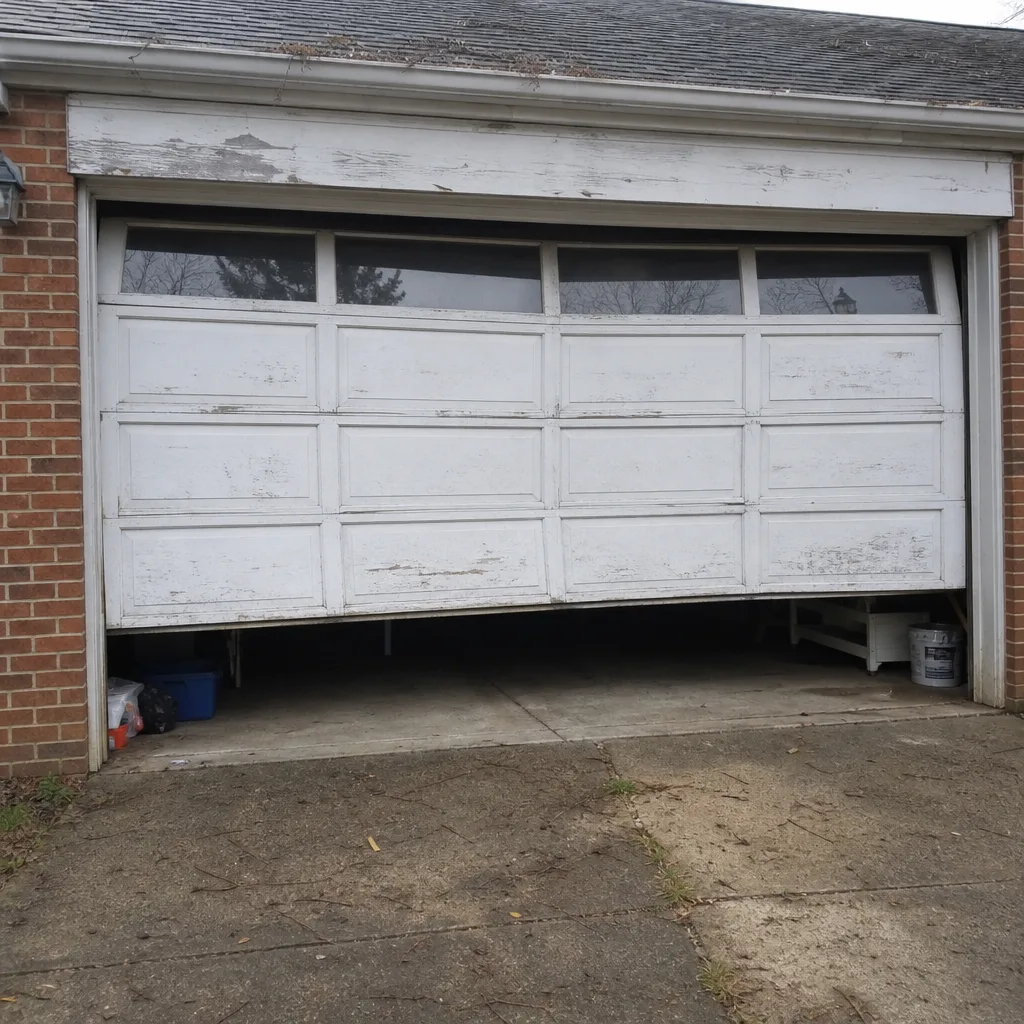
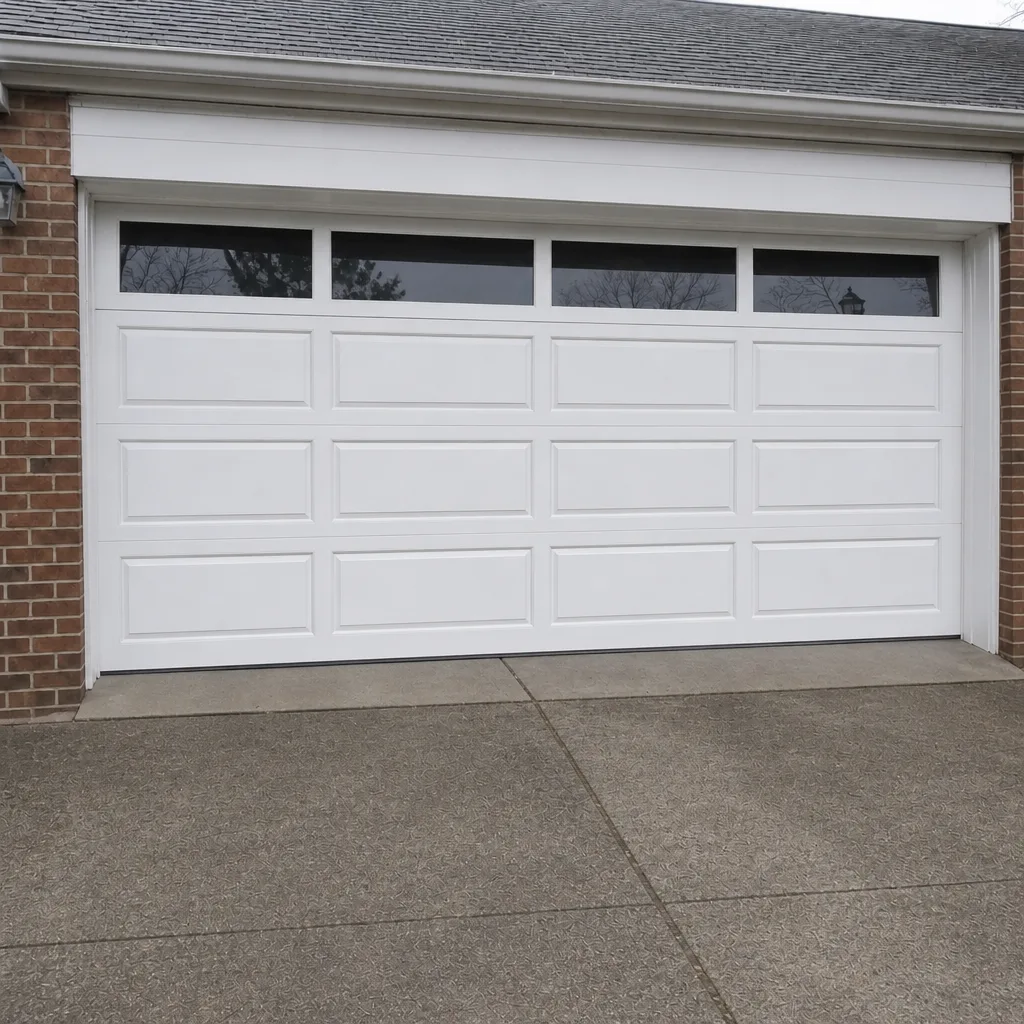
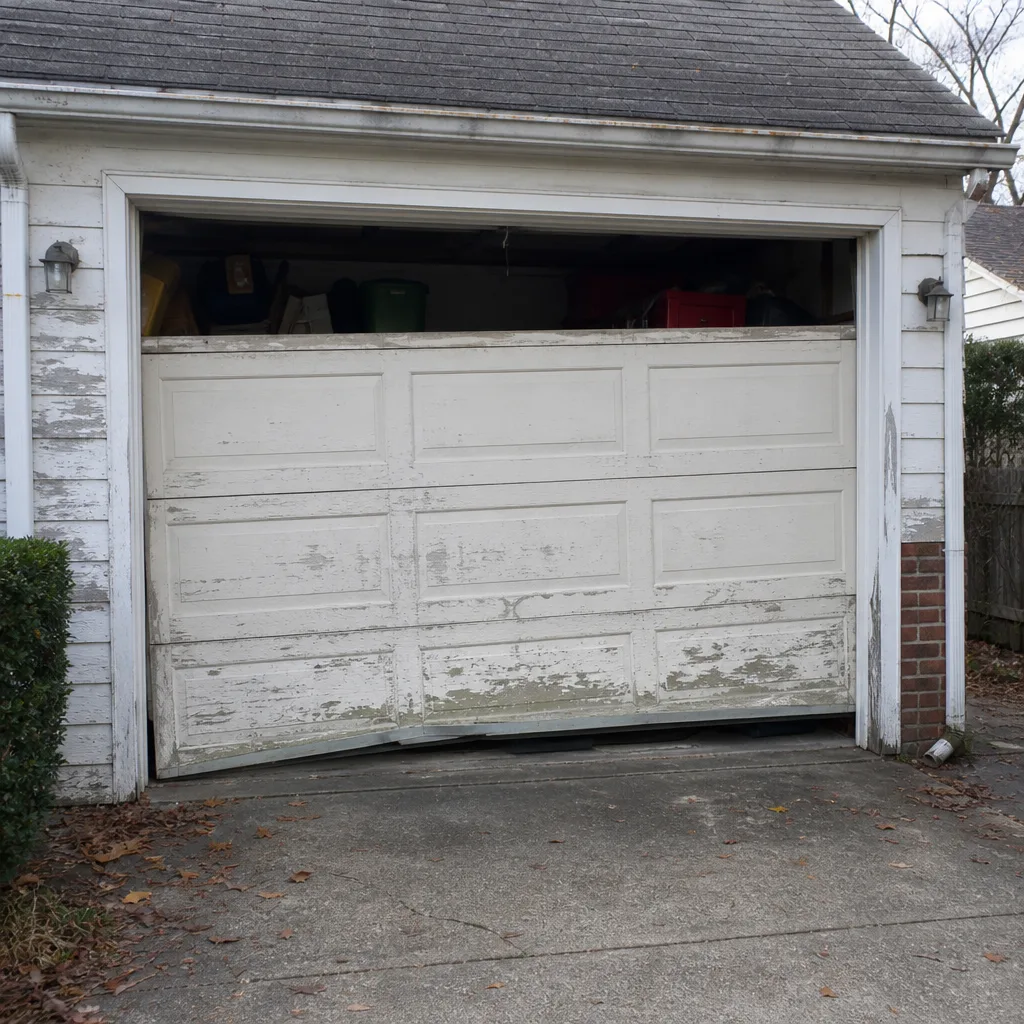
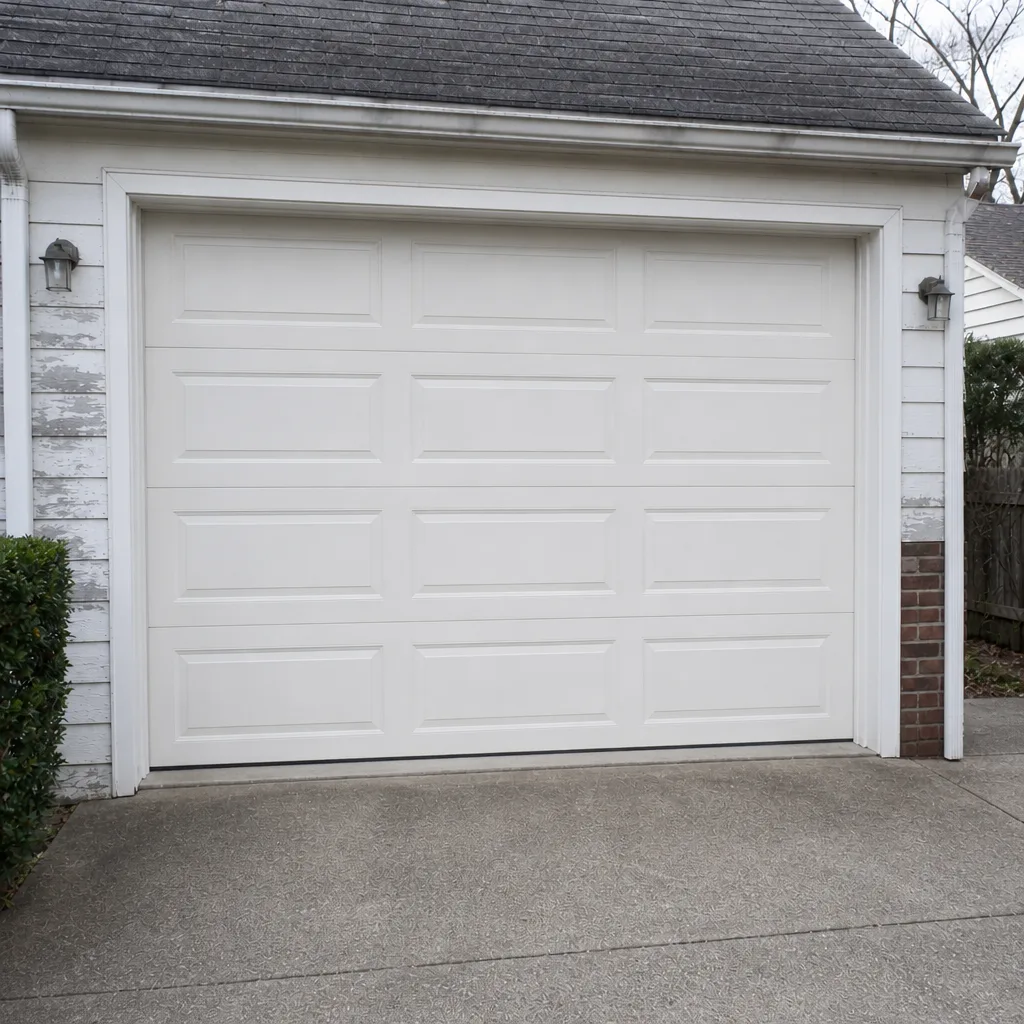
See the difference
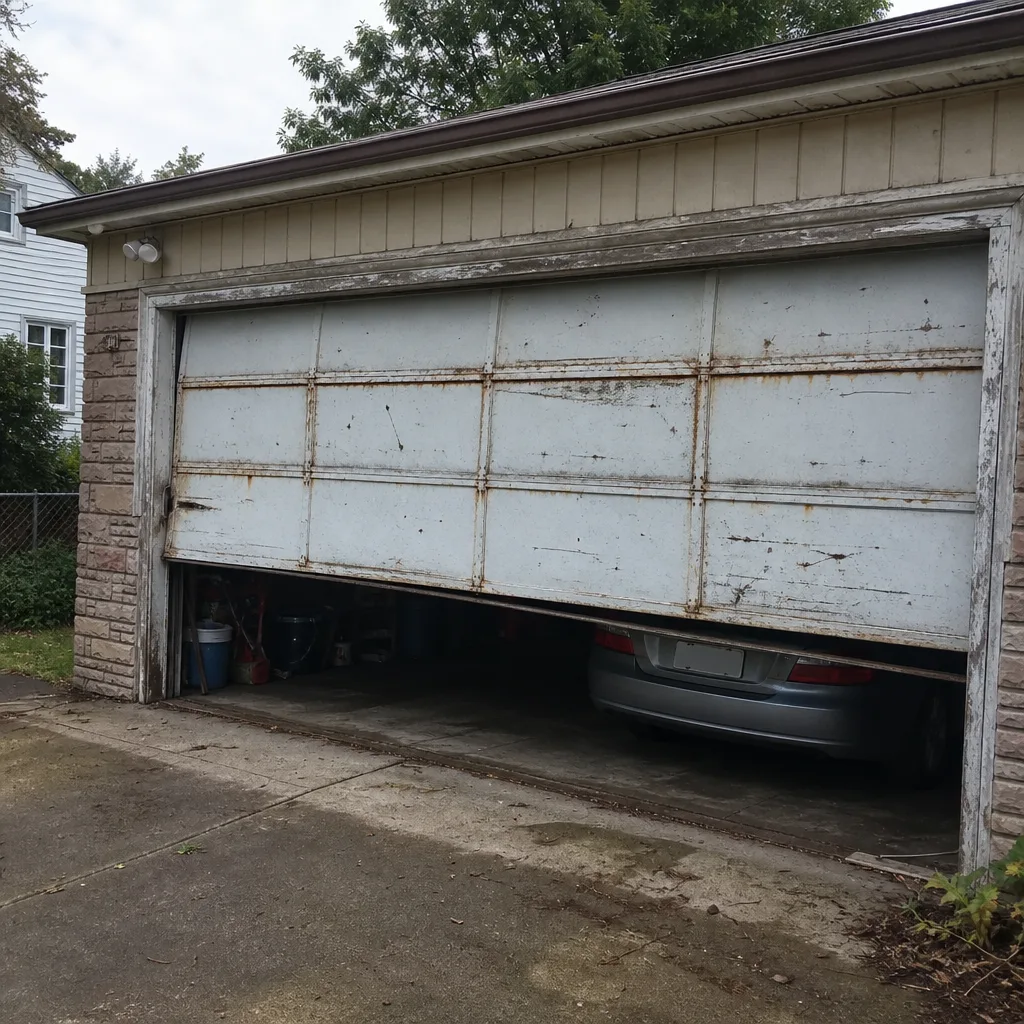 Before
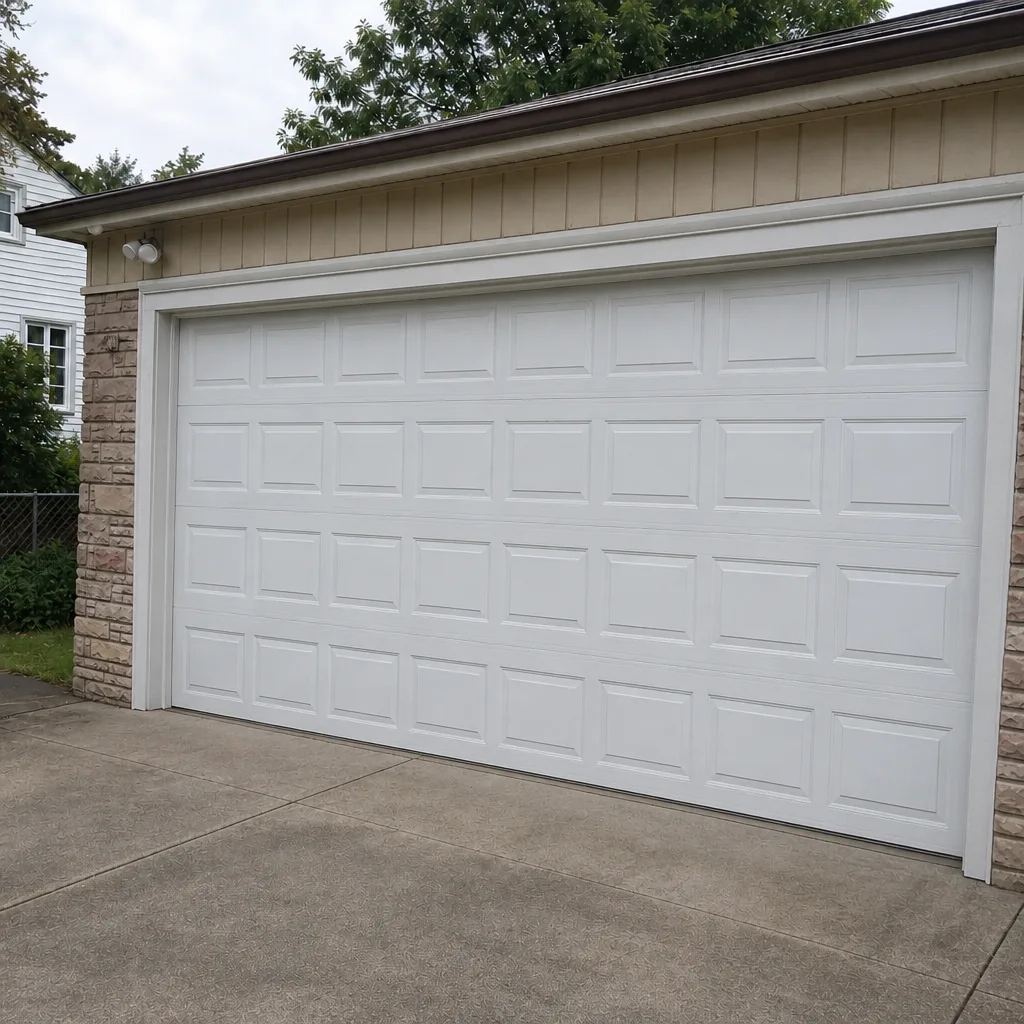 After
 Before
 After
 Before
 After
When to Call a Professional
Some things are genuinely safe to check yourself, and some belong with a professional. Call for help if you see or hear any of the following.
Call a professional if a torsion spring is visibly cracked, if a cable is frayed or slack, if the auto-reverse fails, or if the door slams down instead of holding when you test it balanced. Call if the door is crooked as it rises, if the opener is flashing a diagnostic code that persists after a reset, or if the door is making a grinding or scraping sound that wasn’t there a week ago.
Don’t call a general handyman for a spring or a balanced door. The combination of high tension and heavy weight is not the place to learn on. A trained technician with up to 12 years of experience knows what the door is supposed to feel and sound like. Highland Park Garage Door Repair Co offers free estimates in Highland Park. Call (844) 742-5213 to schedule a check or a repair.
Frequently Asked Questions
There’s no single number, because a spring price depends on the door size, the spring type, and whether the pair is being replaced together. We don’t quote ranges we can’t stand behind. The right answer is a written estimate after the technician has measured the door. Call (844) 742-5213 to schedule a free estimate.
Whether we can get to you the same day depends on what’s broken. Spring repairs, opener failures, and safety test failures are treated with priority. The best way to know is to call and tell us what’s happening. If the door is unsafe to operate, don’t wait. Call and we’ll book a visit. Call (844) 742-5213 for the next available appointment.
No. You’ll get a written estimate before any work starts, and the price on that estimate is the price you agree to. If we open the door and find something the estimate was based on a wrong assumption about, we’ll talk to you before we do any additional work and get your approval first. Call (844) 742-5213 to get a free estimate started.
The local professionals we connect you with are licensed and insured as required by their state. We work with trained technicians who have up to 12 years of experience with residential garage doors, openers, and springs. Call (844) 742-5213 with questions.
A lithium grease stick for hinges and rollers, and a dedicated spring lubricant on torsion spring coils. Both are formulated to stay effective across the full temperature range, which matters in Highland Park where summer and winter swings are wide. Skip WD-40 and cooking spray. Call (844) 742-5213 if you want a technician to establish a baseline for your specific system.
Monthly. That’s the simplest answer. The auto-reverse is the single most important safety mechanism on the door, and it’s the one that fails in ways you won’t notice until you need it. Test it every month, and test it again any time the power goes out. Call (844) 742-5213 if a test fails.
The Bottom Line
A garage door maintenance checklist only works if it tells you what to prioritize. Red-tier items are the safety checks that need monthly attention: test the auto-reverse, test the photo-eye sensors, and inspect the springs and cables. Yellow-tier items are the ones to schedule before winter in Highland Park: lubrication, hardware tightening, and weather-seal inspection. Green-tier items are cosmetic and can wait. The single most useful habit you can build is a logged schedule so you have evidence if a warranty claim ever comes up. West Highland Park and East Liberty homeowners often have older systems that need more frequent checks. If you’d like a professional to do the first walkthrough and set a baseline, Highland Park Garage Door Repair Co can help.
We work on LiftMaster, Chamberlain, Genie, Craftsman, Wayne Dalton, and Raynor systems, plus Clopay and Amarr doors, and we diagnose by brand so we spend less time guessing and more time fixing the actual problem. New door? Call for a free measure and a written quote on the garage door installation.
Call (844) 742-5213 for a free estimate. Whether you need a one-time inspection, a spring repair, or a full pre-winter tune-up, we’ll get you an upfront price before any work starts. Highland Park Garage Door Repair Co is the team you call when the checklist turns up something serious.
Written by the team at Highland Park Garage Door Repair Co.