Last updated November 21, 2026
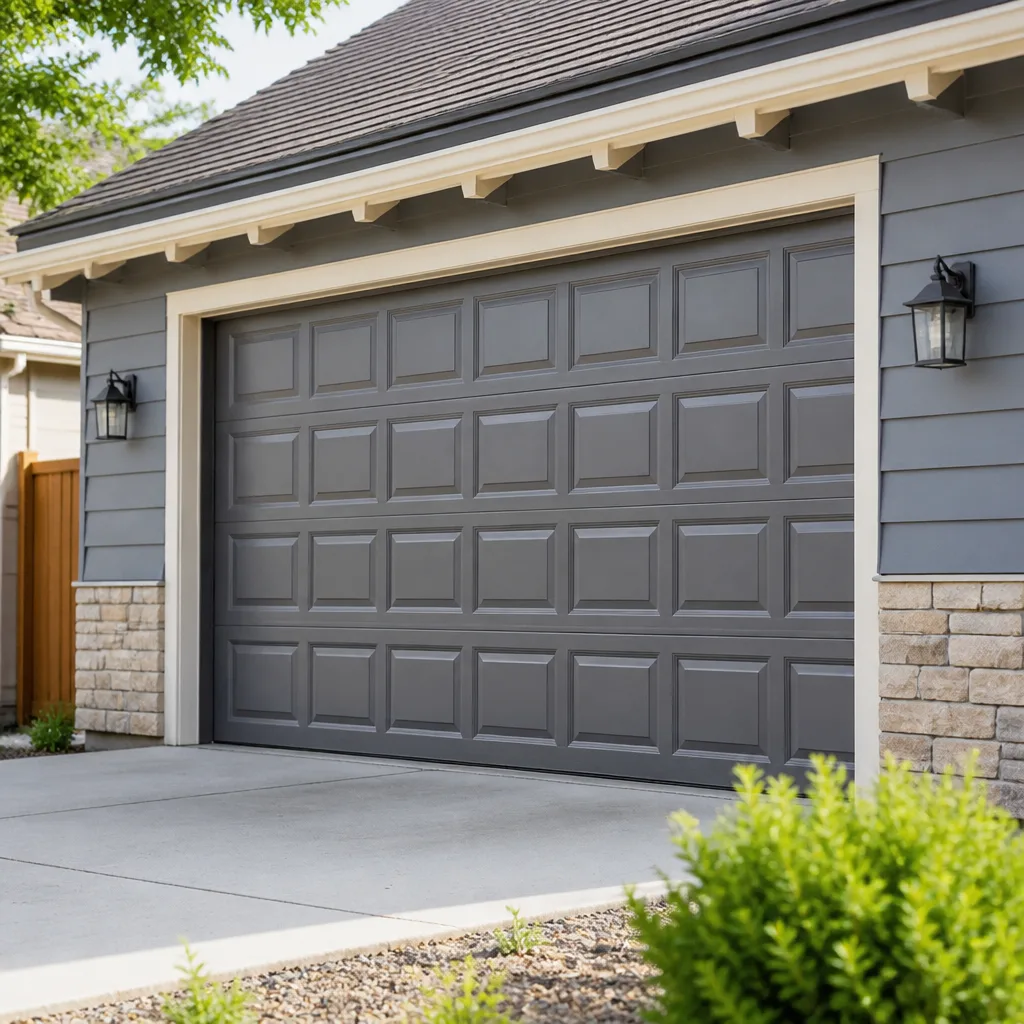 Raised-panel steel
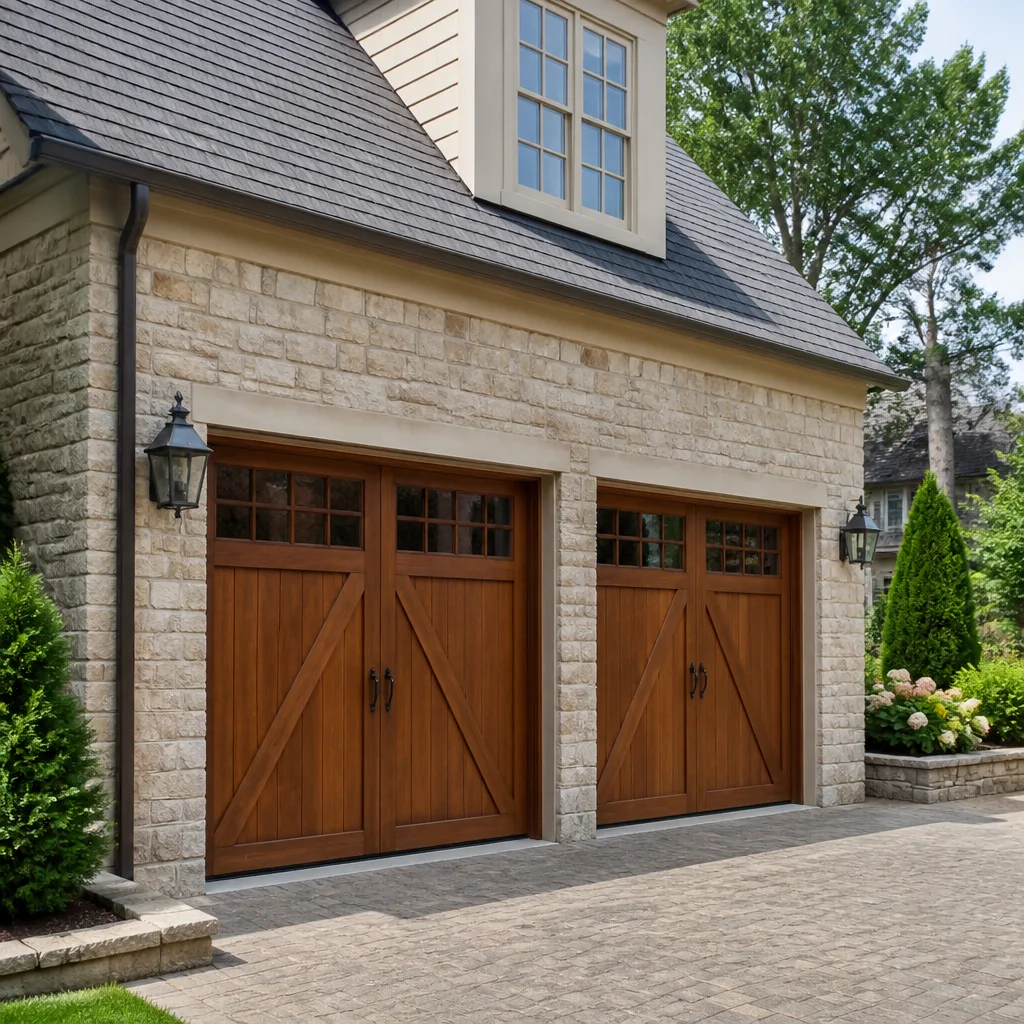 Carriage house
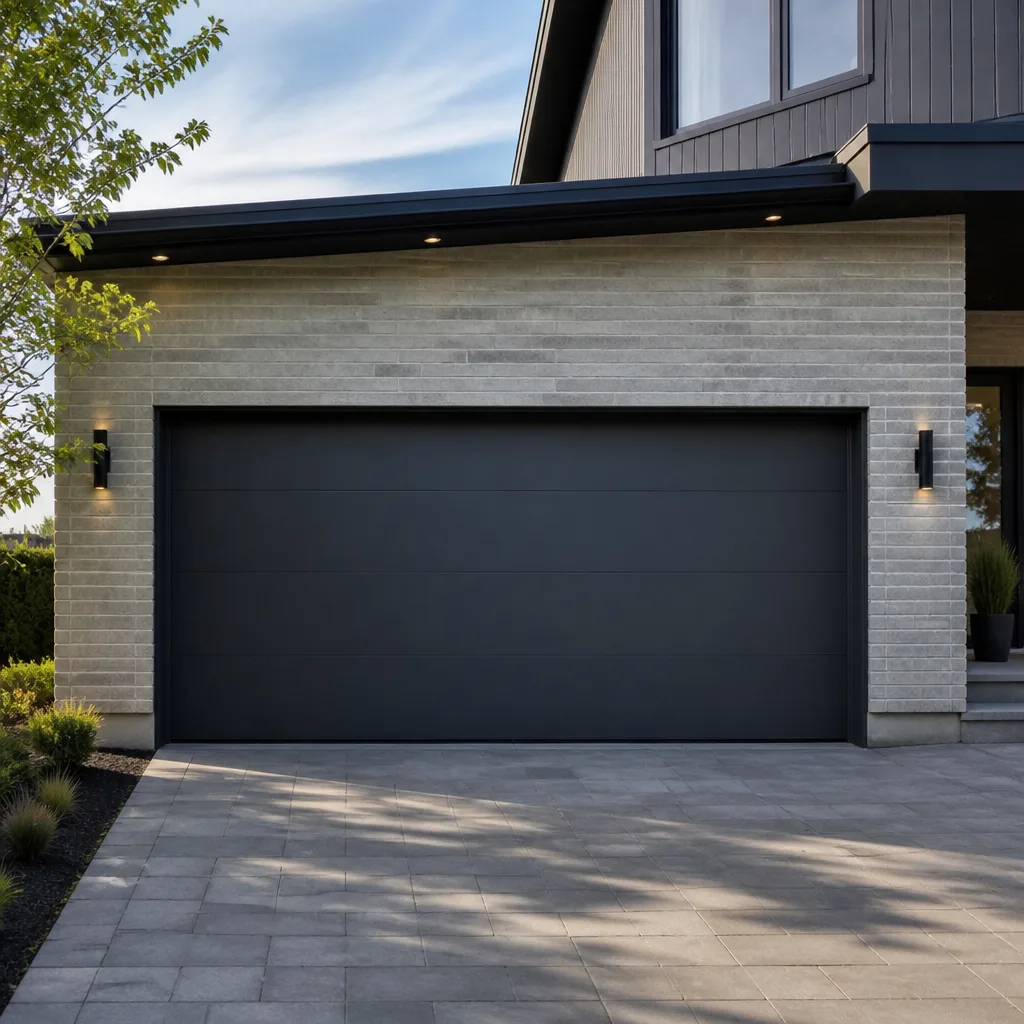 Modern flush
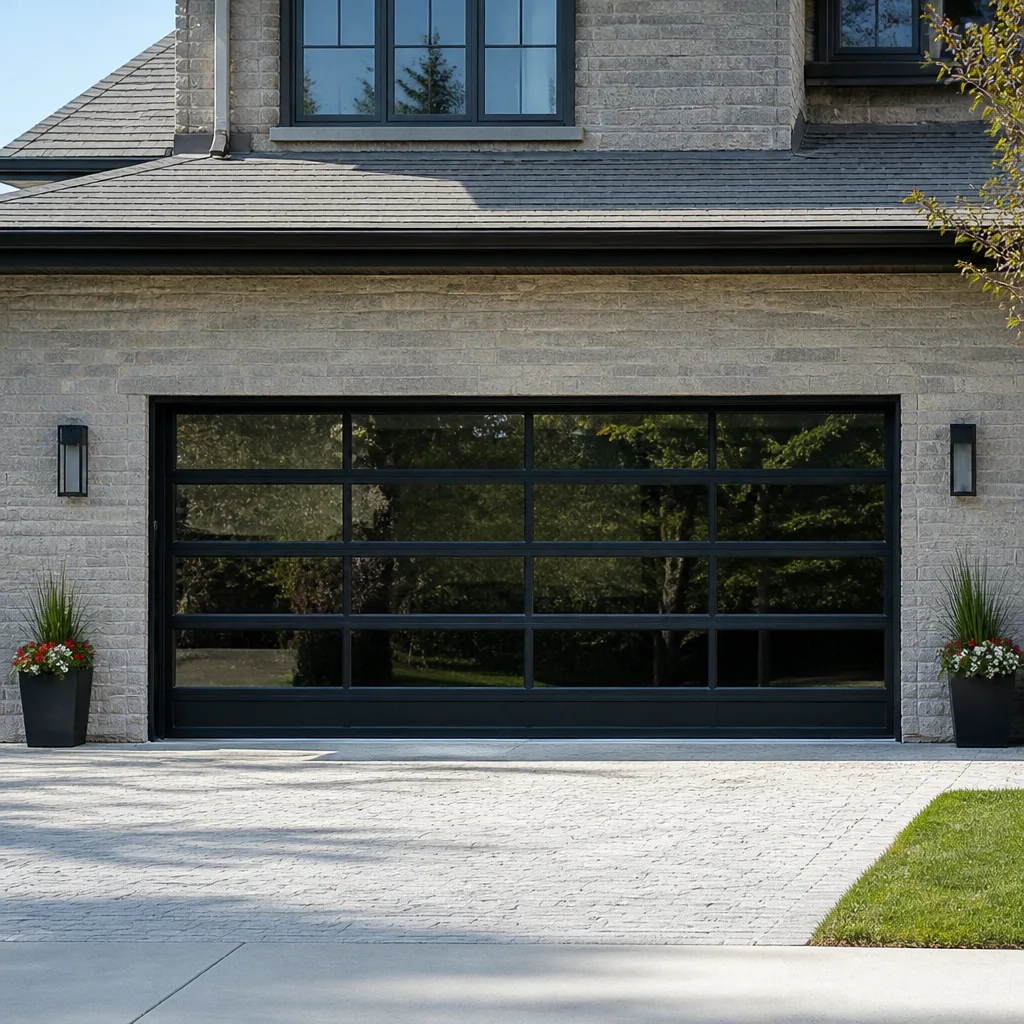 Full-view glass
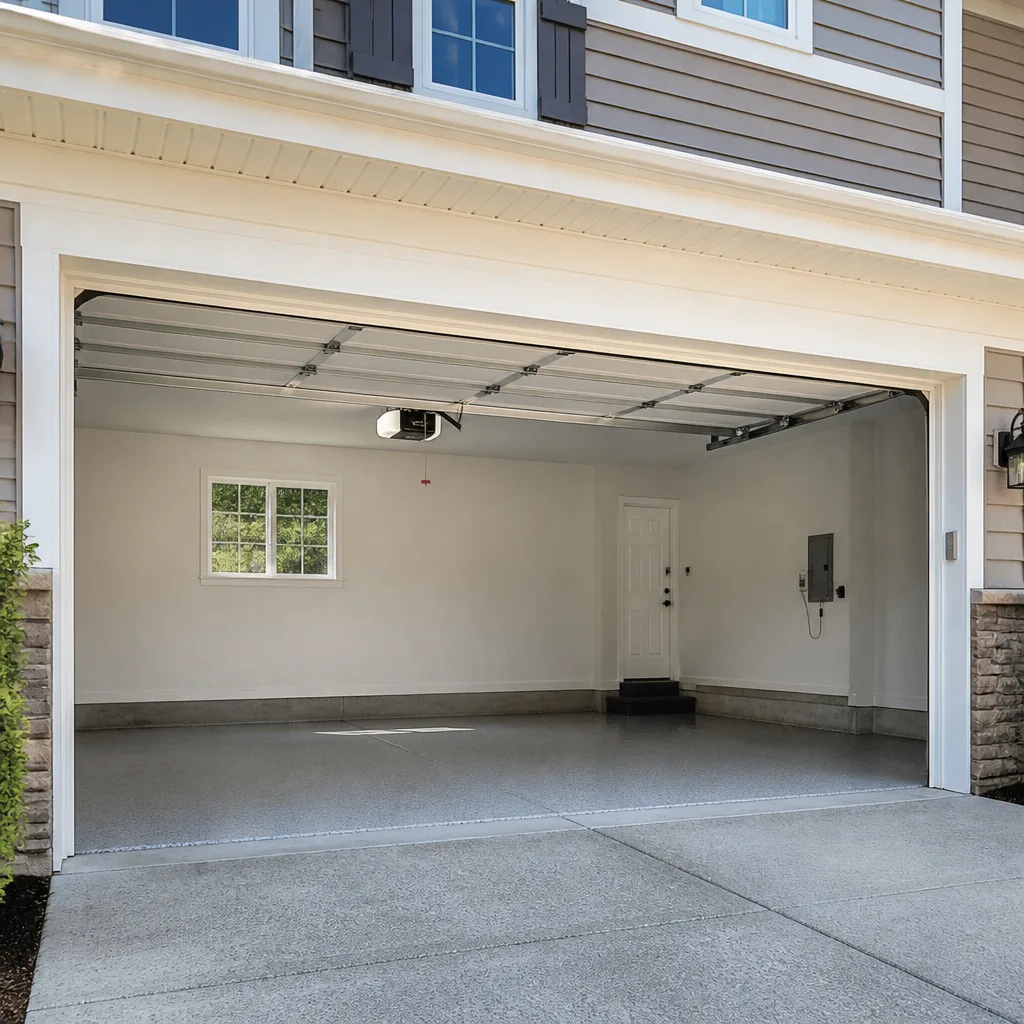 LiftMaster openers
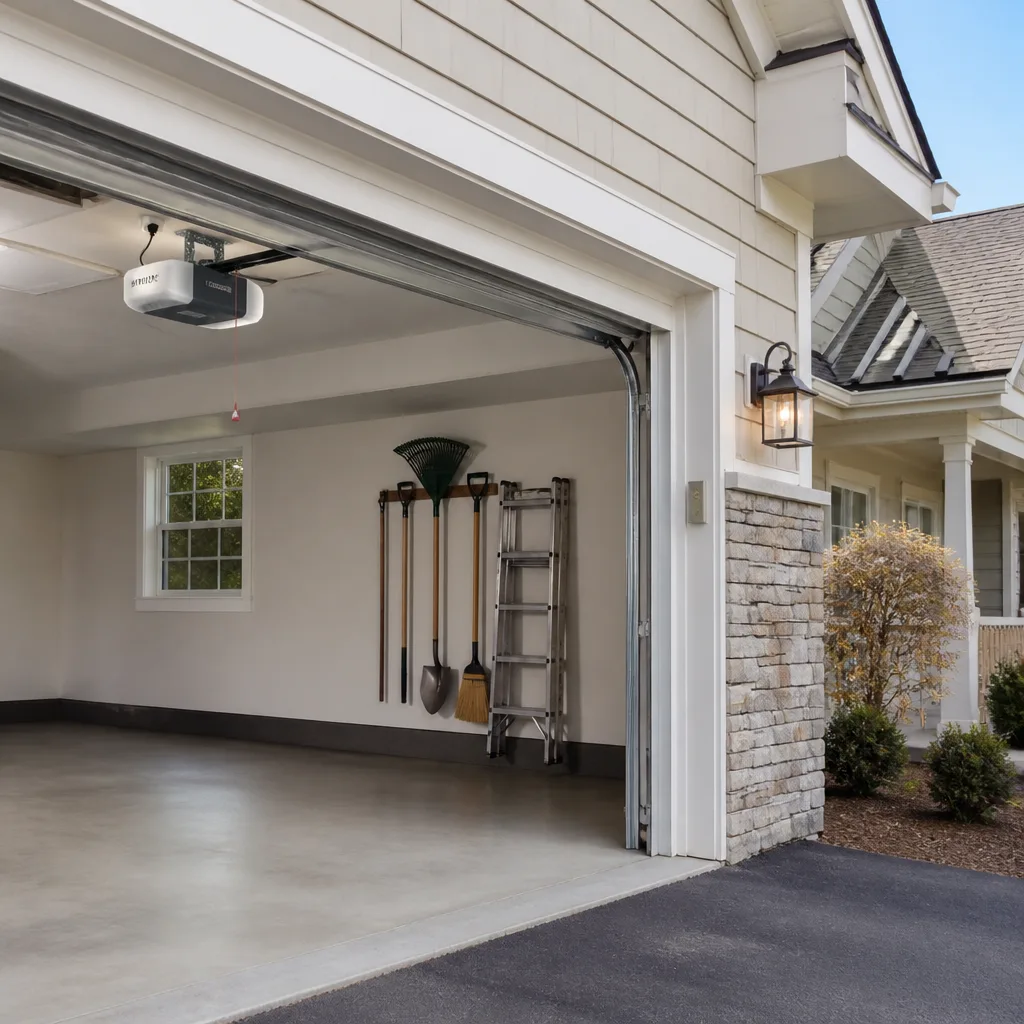 Chamberlain openers
Full 25-point door and opener safety check with every visit - springs, cables, rollers, tracks, and your LiftMaster or Chamberlain opener included
You get a price before we start. It does not change when the pro arrives.
Get your free estimateHow to Hire a Garage Door Contractor in Highland Park: A Step-by-Step Guide
Pennsylvania does not require a state contractor license specifically for garage door work, which means the person quoting you for spring replacement and the technician who has replaced thousands of springs carry the same legal credentials on paper. That’s the uncomfortable truth behind hiring in this trade. Almost every homeowner assumes a license proves competence. In garage door work, it mostly proves someone filled out a form. So the vetting has to come from you – not from paranoia, but from a clear, repeatable set of questions that separates a real specialist from a generalist with a truck. This guide walks through what Highland Park actually requires, the five questions to ask before anyone touches your door, how to read a quote line by line, and red flags specific to this trade. You’ll finish knowing exactly how to hire the right person.
Quick Answer
To hire a garage door contractor in Highland Park, verify three things before you schedule: that the company services your specific door and opener brand, that spring and opener work is a core service and not an occasional job, and that your written quote breaks down parts and labor separately and is agreed before any work starts. Pennsylvania doesn’t license garage door specialists specifically, so ask directly about brand training and warranty terms instead of relying on a license number. Then get the price in writing.
Styles & brands we work with
- Raised-panel steel
- Carriage house
- Modern flush
- Full-view glass
- LiftMaster openers
- Chamberlain openers
Table of Contents
- What Pennsylvania Actually Requires of Garage Door Contractors
- The Five Questions to Ask Before Anyone Touches Your Door
- How to Verify Brand Support Before You Schedule
- How to Read a Garage Door Quote Line by Line
- Red Flags Specific to Garage Door Work
- Why Spring Work Deserves Extra Scrutiny
- What Highland Park’s Climate and Housing Mean for Your Door
- Common Mistakes to Avoid
- When to Call a Professional
- Frequently Asked Questions
What Pennsylvania Actually Requires of Garage Door Contractors
Pennsylvania requires a Home Improvement Contractor registration for contractors doing residential home improvement work above a certain dollar threshold, and garage door replacement and repair generally falls under that umbrella. What the state does not have is a license class specifically for garage door technicians. There’s no exam that covers torsion spring winding, no separate certification for opener wiring, no state board reviewing garage door competence. The registration exists to establish a paper trail and consumer recourse. It does not certify skill.
That distinction matters more than most homeowners realize. A registered contractor is legally accountable for how they do business. A skilled garage door technician is accountable for whether your door works, sounds right, and stays balanced for the next decade. Those are different guarantees. When you hire in Highland Park, you’re looking for both, and the registration is the easy part to check.
Here’s what the state framework does and doesn’t cover:
- Does cover: home improvement contractor registration, written contract requirements for larger jobs, a process for complaints and consumer protection.
- Does not cover: garage door technician competence, brand-specific training, spring winding safety, or any test of door and opener diagnostic skill.
- Also doesn’t cover: the quality of the spring steel or the opener components a contractor installs. Parts quality is entirely invisible to the registration system.
In practice, this means Highland Park homeowners are relying on the same vetting they’d apply to any trade where the skill is real but the credential is broad. Ask about experience, brand familiarity, and the terms of the warranty. That’s how you tell the difference between a registered generalist and a garage door specialist. For context on what a properly scoped repair looks like, our garage door repair service overview shows the kind of work that should be in a specialist’s daily rotation.
The Five Questions to Ask Before Anyone Touches Your Door
Ask these five questions on the phone, before you schedule a visit. A real specialist answers them without hesitation. A generalist will hedge, change the subject, or promise to “take a look when we get there.” The questions are designed so that vague answers are themselves the answer.
- “What brands do you work on regularly?” Listen for specific names – LiftMaster, Chamberlain, Clopay, Amarr, Genie – and ask whether they stock parts for those brands or order them. A company that works across multiple major brands diagnoses faster because it recognizes the quirks of each system.
- “Is spring repair a dedicated service or do you handle it as general repair?” Spring work is the most dangerous and most commonly botched job in this trade. A company that treats it as a named service has built the process and safety practices around it. One that lists it under “repair” is telling you something.
- “Do you bring the part on the first visit, or do I wait for an order?” This is the question that separates specialists from generalists. Parts availability across major brands means same-visit repair. A company that has to order the part means a second visit and a longer wait.
- “What’s the warranty on the part and on the labor, separately?” Ask for both numbers. Manufacturers warrant the spring or opener separately from the labor of installing it. A contractor who can’t articulate both hasn’t thought about it or doesn’t want you to know.
- “Is the written price agreed before any work starts?” The answer should be an unqualified yes. Any contractor who wants to get inside and “take a look” before quoting the job is either diagnosing poorly or setting up a change order. Get the quote in writing first.
A good answer to all five takes less than three minutes. If you’re hearing “we’ll figure it out when we get there” on several of them, you’ve learned what you needed to know. The call doesn’t have to be confrontational – just direct. The specialists appreciate it, because it tells them you’re a serious customer.
How to Verify Brand Support Before You Schedule
This is the step most homeowners skip, and it’s the one that causes the most frustration. You call a company, they show up, they look at your opener, and they tell you they don’t work on that brand. Now you’ve burned a day and you’re starting over. The fix is simple: find your brand name before you make the call.
Walk out to the garage and look at the opener unit on the ceiling. The model number and brand are printed right on it – LiftMaster, Chamberlain, Genie, Craftsman, and Raynor are among the most common. Look at the door panels too; many have a sticker or stamp from the manufacturer, and Clopay, Amarr, and Wayne Dalton are common residential door brands. Now you know what you own, and you can ask a specific question.
Here’s a short sequence for confirming support before you schedule:
- Find your model number. It’s on the opener motor housing and, on some doors, on a sticker on the edge stile of a panel.
- Ask the company by name. “Do you service LiftMaster openers?” is a much better question than “Do you work on garage doors?” – the first forces a specific answer.
- Ask about parts for that model. A company that knows its brands will tell you whether the part is common enough to carry or whether it needs to be ordered.
- Ask about brand-specific quirks. If the company mentions a particular known issue with your specific opener – say a Chamberlain model with a particular logic board quirk – you’ve found someone who actually works on them rather than someone who’s read the manual.
We work on all eight of the most widely installed residential brands: LiftMaster, Chamberlain, Genie, Clopay, Amarr, Wayne Dalton, Craftsman, and Raynor. That’s why our team can tell you on the phone whether we support your system before we ever set a visit. But don’t take our word for it – the four-step check above works on any Highland Park company you call. For the opener side of the question specifically, take a look at how garage door opener repair should be scoped.
How to Read a Garage Door Quote Line by Line
The line that causes the most disputes in this trade is “labor included.” It sounds complete. It often isn’t. What “labor included” typically covers is the physical install of one component – and what it often doesn’t cover is removal of the old part, disposal, balancing, re-hooking the door to the opener, or a safety inspection after the work. Those can be added as line items later, or absorbed silently into the final invoice. The written quote should make them explicit.
A well-written garage door quote has at minimum these components:
- Part description and quantity. “One torsion spring, matched pair” or “single spring” – never just “spring.” A pair costs roughly twice a single, and the quote should say which you’re getting.
- Part brand and grade. A spring is not a spring. Spring steel grades and cycle ratings vary widely. Ask if the quote names the grade.
- Labor, listed separately. If labor isn’t a separate line, ask why.
- Removal and disposal. The old part doesn’t leave your garage on its own. This should be explicit.
- Balancing and safety check. A new spring changes the balance of the whole door. The quote should say the door is tested and re-balanced.
- Warranty terms for parts and labor. Two lines, not one.
- Total, and the words “agreed before work starts.” If that language isn’t in the quote, ask for it.
Say the quote is for spring replacement. You should see a part line, a labor line, a disposal line, and a note that the door will be balanced and tested. If all you see is “spring replacement: $X,” you have a price, not a quote. The price is agreed before the work begins, in writing, and the written estimate sets the final price. Anything that appears on the invoice afterward and wasn’t in the estimate is a line to challenge.
The same rules apply to new-door pricing. A door quote should separate the door, the hardware, the track, the opener if included, and the labor, along with a clear note about the measure. That’s a detail worth understanding before you commit, and our garage door installation page breaks down what a measured, scheduled install looks like. New doors and replacement work are quoted on a measure, not a same-day callback.
Red Flags Specific to Garage Door Work
Every “how to hire a contractor” article warns about the same generic red flags – asks for all cash up front, no written contract, high-pressure sales. Those are real, but they’re not specific to garage door work. The red flags below show up in this trade specifically, and they’re more useful signals because they’re harder to fake through.
- Quoting a single price for a spring job without asking whether the door has one spring or a matched pair. Most residential doors run two springs in matched pairs, and a pair costs about twice a single. A company that quotes one flat price without asking is either guessing or padding.
- Selling a spring replacement when the actual problem is the opener. A door that reverses immediately, or that the opener won’t lift, can be a spring, a safety sensor, a logic board, or a stripped gear. A specialist diagnoses before quoting. A generalist quotes the repair most likely to fit.
- “We’ll bring the parts and quote when we get there.” This is the part-ordering problem disguised as flexibility. If the part isn’t on the first visit, you’re looking at two visits and a longer wait, and the price is set after your door is apart.
- No brand mentioned anywhere in the conversation. A garage door specialist should be able to name the brands they work on. Silence on brands usually means they’re a generalist who doesn’t want to admit they specialize in nothing.
- Warranty language that only covers “the part.” Parts and labor are separate warranties. A company that talks only about the part is telling you the labor isn’t guaranteed – and labor is where most problems show up.
- Torsion spring work without any mention of the door being re-balanced. Replacing a spring without re-balancing the door is like replacing a tire without checking the alignment. It’s not finished.
We work residential doors in Highland Park every day, and this list is drawn from the questions homeowners bring to us most often. It also reflects the reason we focus on dedicated spring repair rather than treating it as a general repair line item – it’s a genuinely different job. The generalist red flags still apply. They’re just less useful, because every bad contractor knows to avoid them.
Why Spring Work Deserves Extra Scrutiny
A torsion spring under tension stores enough energy to cause serious injury in an instant. This is not a do-it-yourself repair, and it isn’t a job that a general handyman should be taking on. The spring has to be de-tensioned with winding bars in a controlled way, the new spring has to be sized to the door’s weight and height, and the whole assembly has to be re-balanced afterward. Get any of those steps wrong and the door may work for a week and fail – or the spring may release unexpectedly during the job.
That’s why the safety question in this trade is different from other repairs. You’re not just hiring for quality. You’re hiring for training, tool use, and the discipline to walk away from a door that isn’t safe to work on.
Specific things to look for when spring repair is the job:
- The company names spring repair as a service, not a vague “repair.” A dedicated line usually means they’ve built the process around it.
- They ask about the door’s weight, height, and current spring type. Torsion and extension springs are different jobs. A quote that doesn’t ask is a quote that hasn’t thought it through.
- They specify whether it’s a single spring or a matched pair. And they price the pair as roughly twice a single, not one flat number.
- They confirm the door will be re-balanced and tested before they leave. That’s part of the job, not an add-on.
- They don’t suggest you or a handyman can “handle the easy part.” There isn’t an easy part on a torsion spring.
Our team treats spring repair as a core service rather than an occasional repair, and our technicians have up to 12 years of experience in this trade. If you’re looking for the full-service picture alongside spring work, that’s the broader work behind Highland Park Garage Door Repair Co. But the point of this section is simpler: when spring work is on the table, hire for the training and the safety practice, not the lowest number. A cheap spring job done dangerously is not a bargain.
What Highland Park’s Climate and Housing Mean for Your Door
Highland Park sits in western Pennsylvania, which means four real seasons and a significant annual swing between summer heat and humidity and winter cold. Garage doors feel that swing directly, because the door and the springs are outside the conditioned envelope. The steel expands and contracts, the wood panels on older doors move with the moisture, and the springs cycle across a wider temperature range than most homeowners expect.
What does this look like in practice? Three things come up in Highland Park more than they might in a milder climate:
- Springs on doors in mixed humidity. A door that’s slightly out of balance in summer may drag more noticeably in cold weather, and the spring can lose tension faster across the seasonal shift. A door that needs a service call every winter is often just a door that needs balancing.
- Wood and wood-composite door panels. Older Highland Park homes often have wood doors, which take on and release moisture with the season. The panels can stick or the door can warp at the edges, which then puts stress on the opener.
- Steel doors in older housing stock. Many Highland Park garages are older structures where the door track and hardware have done a lot of seasons. Track alignment and roller wear matter more on these doors than on a new install.
When you’re vetting a Highland Park contractor, an easy check is whether they ask about the age of the door and the type of door material before quoting. A specialist knows that the same symptom means different repairs on a wood door versus a steel one. That’s part of why our team services the brands we do – the diagnosis is faster when the technician knows the system and the housing stock around it.
The other thing worth knowing locally: Highland Park’s housing is mostly older, and the garage is often attached or semi-attached to the house. That doesn’t change the repair, but it does mean the door and opener need to work reliably – a garage door that sticks or reverses is a daily problem at the threshold of your home, not an occasional inconvenience. Neighborhoods like Highland Park’s East End and the streets around the reservoir are full of doors that have done many seasons, and they benefit from a proper spring and balance check more than an old door in a newer subdivision would.
Common Mistakes to Avoid
- Hiring a general handyman because “it’s just a garage door.” A generalist can hang a shelf, but a misdiagnosed spring or opener is a repair that comes back. Garage doors are a specialist trade for a reason – the diagnostics and the safety practices are specific to the system.
- Accepting a phone quote without a written estimate. The price on the phone and the price on the invoice don’t have to match unless the estimate is written. Insist on writing before anything starts.
- Skipping the brand check. Calling a company that doesn’t service your opener means the technician arrives and you’ve lost a day. Find your model number first.
- Paying for a spring replacement when the door needs re-balancing instead. A door that feels heavy or won’t stay up can be out of balance rather than spring-broken. A specialist checks balance before quoting a spring.
- Assuming a warranty on the part covers the labor. Parts and labor are separate warranties. Ask about both, and get both in the written quote.
- Letting the price be set after the door is apart. Once your door is disassembled, you’re not in a position to negotiate. The price has to be agreed before any work starts.
- Choosing on price alone for spring work. Spring repair is where a low bid usually means a bottom-grade spring or a rushed install. It’s a job to hire correctly, not cheaply.
These are the seven we see most often in Highland Park. Not one of them requires a state license check to spot. They require a few direct questions and a written quote.
When to Call a Professional
Call a professional when the door won’t lift or the opener runs but the door doesn’t move – that’s usually the spring or the drive, and both are specialist diagnostics. Call when a torsion spring has visibly snapped or the door feels unbalanced, because that’s a safety issue and not a wait-and-see repair. Call when the opener reverses immediately, when the safety sensors won’t align, or when the door is loud enough that you dread opening it – those all point to specific repairs a specialist can diagnose quickly. Call when you’re considering a new door, because replacement is a measured job and the price should be quoted in writing before anything is ordered. And call if a technician of any kind tells you “it’s probably the opener” without checking the springs, because that’s a diagnosis to get a second opinion on. Highland Park Garage Door Repair Co offers free estimates in Highland Park – call (844) 742-5213.
Frequently Asked Questions
Pennsylvania doesn’t require a state contractor license specifically for garage door work, so there’s no separate garage door license to check in Highland Park. The state requires Home Improvement Contractor registration for residential home improvement work above a certain dollar threshold, and that applies to garage door work. Ask to see the registration and then ask about brand training and warranty terms, because registration doesn’t test garage door skill. Call (844) 742-5213 for a free estimate.
Prices vary by door size, spring type, and whether it’s one spring or a matched pair. A matched pair usually costs about twice a single spring because both are replaced together. The written quote should name the part, the labor, and the disposal separately, and the agreed price sets the final price. Call (844) 742-5213 for an exact quote – estimates are free.
Find the model number on your opener unit and ask the company by name whether they service that brand. A company that services your brand will answer directly and may mention a known quirk of your specific model. A generalist will usually hedge. We work on LiftMaster, Chamberlain, Genie, Clopay, Amarr, Wayne Dalton, Craftsman, and Raynor systems, so you can ask us directly. Call (844) 742-5213.
Not if the estimate was written first and the diagnosis matched. The written estimate sets the final price, and the price is agreed before any work starts. What can change the price is a different diagnosis after a proper look – for example, a door that looks like a spring problem but turns out to be an opener problem. That’s why a specialist diagnoses before quoting. Call (844) 742-5213 for a free estimate.
Repair and emergency calls are where same-day service fits. Installation and replacement work is different – that’s a measured and scheduled job, and it should be quoted in writing after a proper measure, not booked as a same-day repair. If your door won’t close or a spring has snapped, call (844) 742-5213 and we’ll talk through the fastest route to a working door.
Registrations and insurance are what the local professional carries as their state requires. Ask for the Home Improvement Contractor registration and the certificate of insurance before work starts, and don’t be shy about it – a specialist expects the question. Once you’ve confirmed that, the more useful question is about experience with your specific door and opener brand. Call (844) 742-5213 for a free estimate.
The Bottom Line
Hiring a garage door contractor in Highland Park is really a branding and diagnosis question disguised as a licensing question. Pennsylvania doesn’t license garage door specialists, so the registration is table stakes – not proof of skill. Your vetting has to do the work: ask about brand support before you schedule, ask whether spring repair is a named service, ask about parts on the first visit, read the quote line by line, and make sure the price is agreed before any work starts. Do those things and you’ll avoid the two failures homeowners in Highland Park actually hit – a technician who can’t service the brand and a quote that grows after the door is apart.
If you’d rather skip the phone interview and talk to a specialist who works on your system, call Highland Park Garage Door Repair Co at (844) 742-5213. Estimates are free, the price is quoted and agreed before any work starts, and our team services LiftMaster, Chamberlain, Genie, Clopay, Amarr, Wayne Dalton, Craftsman, and Raynor systems across Highland Park.
Written by the team at Highland Park Garage Door Repair Co.
See the difference
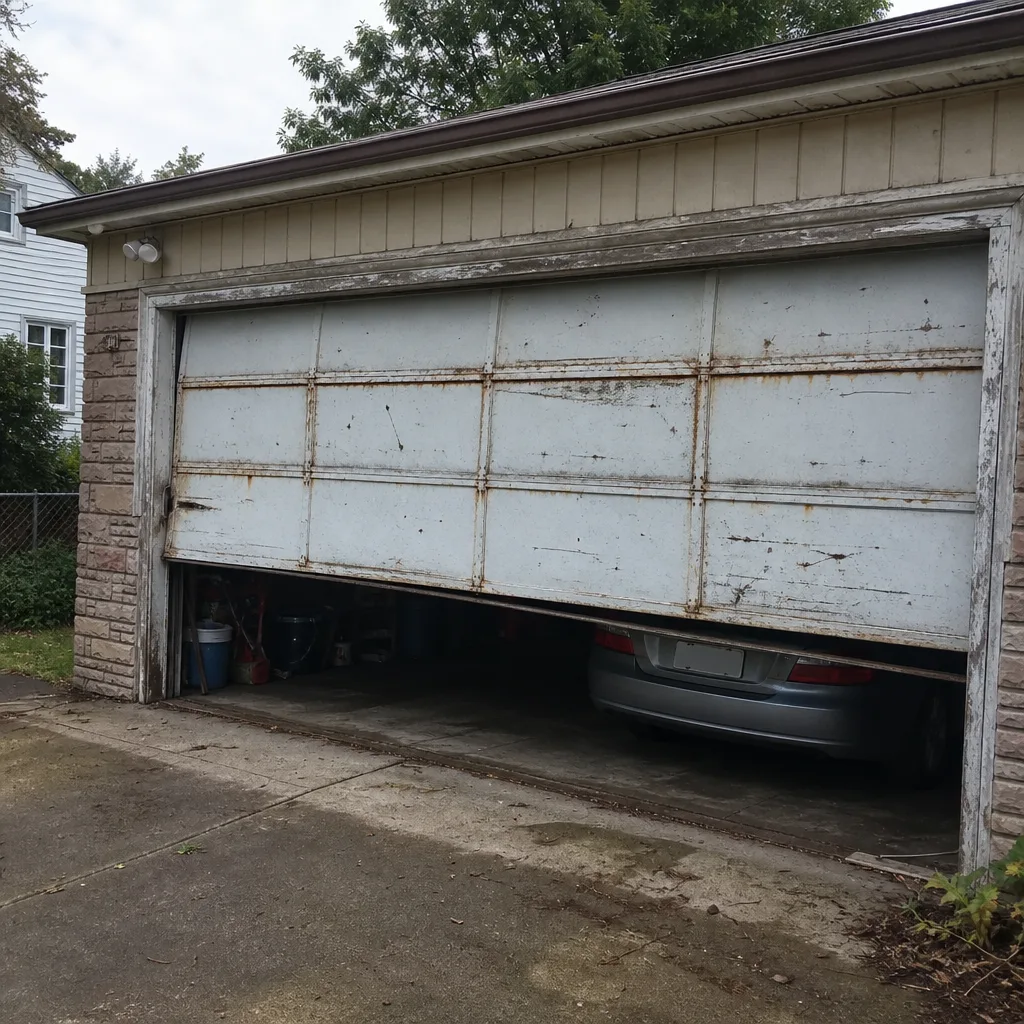 Before
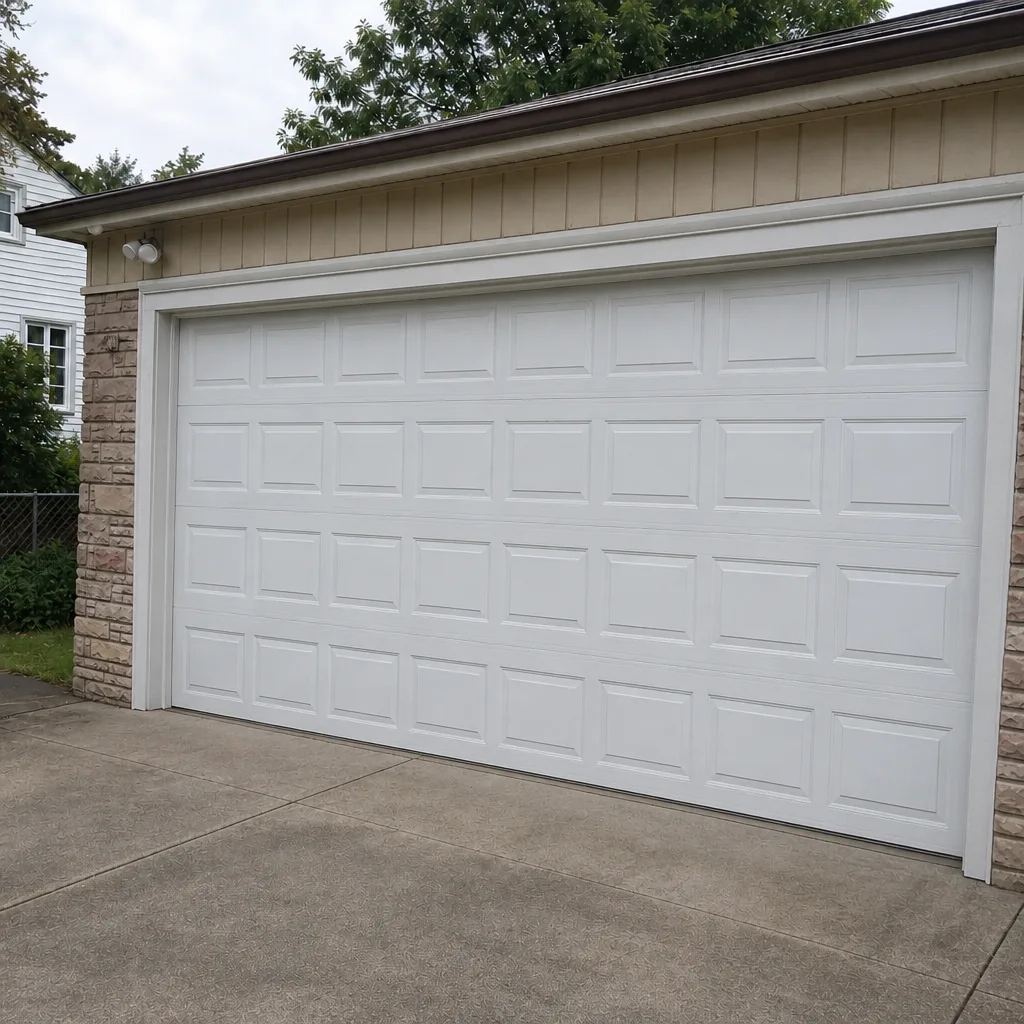 After
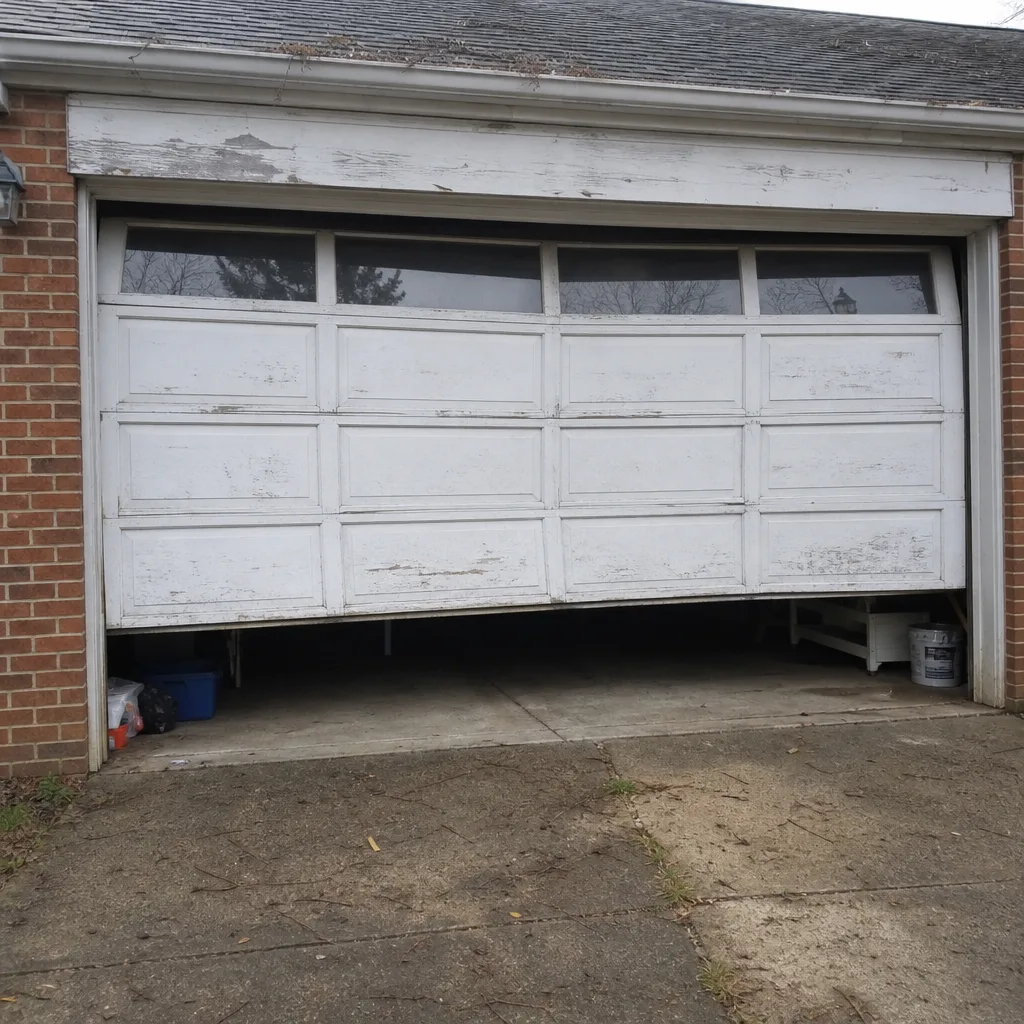 Before
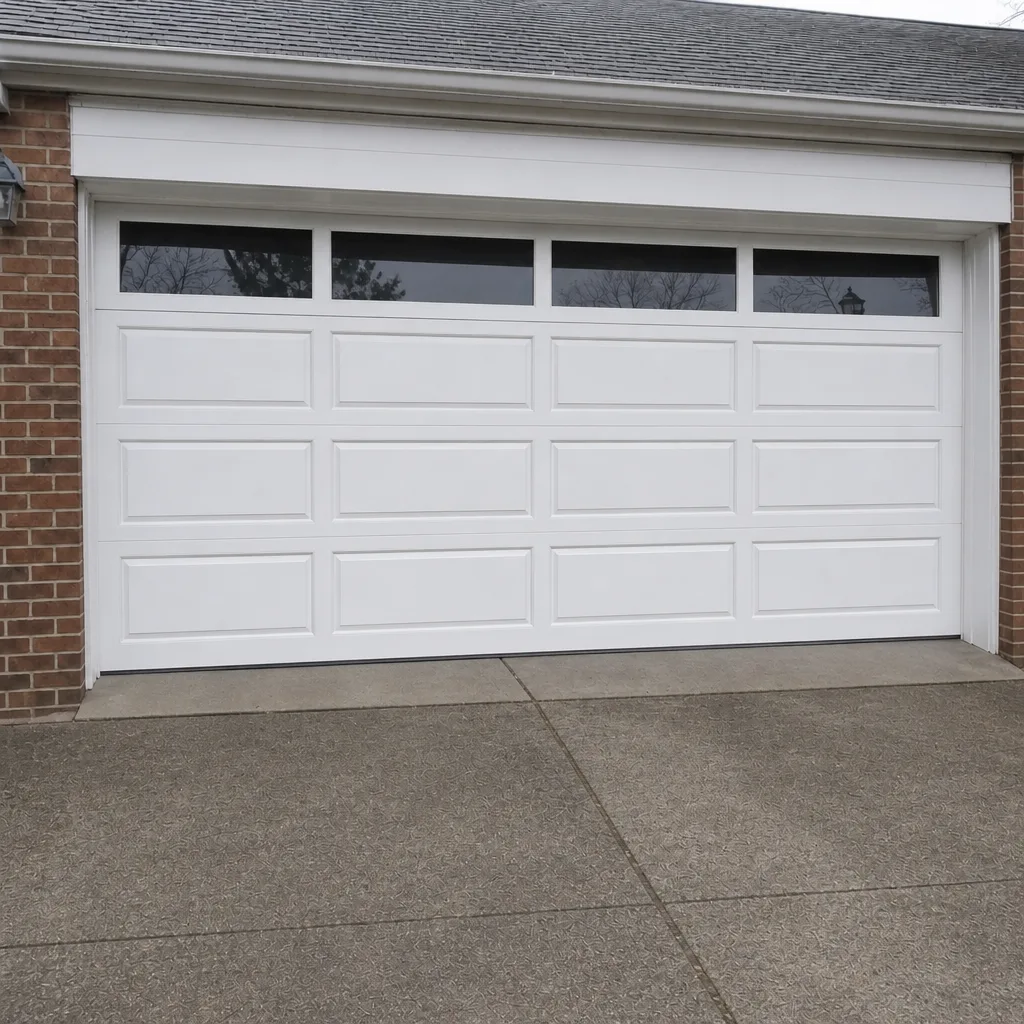 After
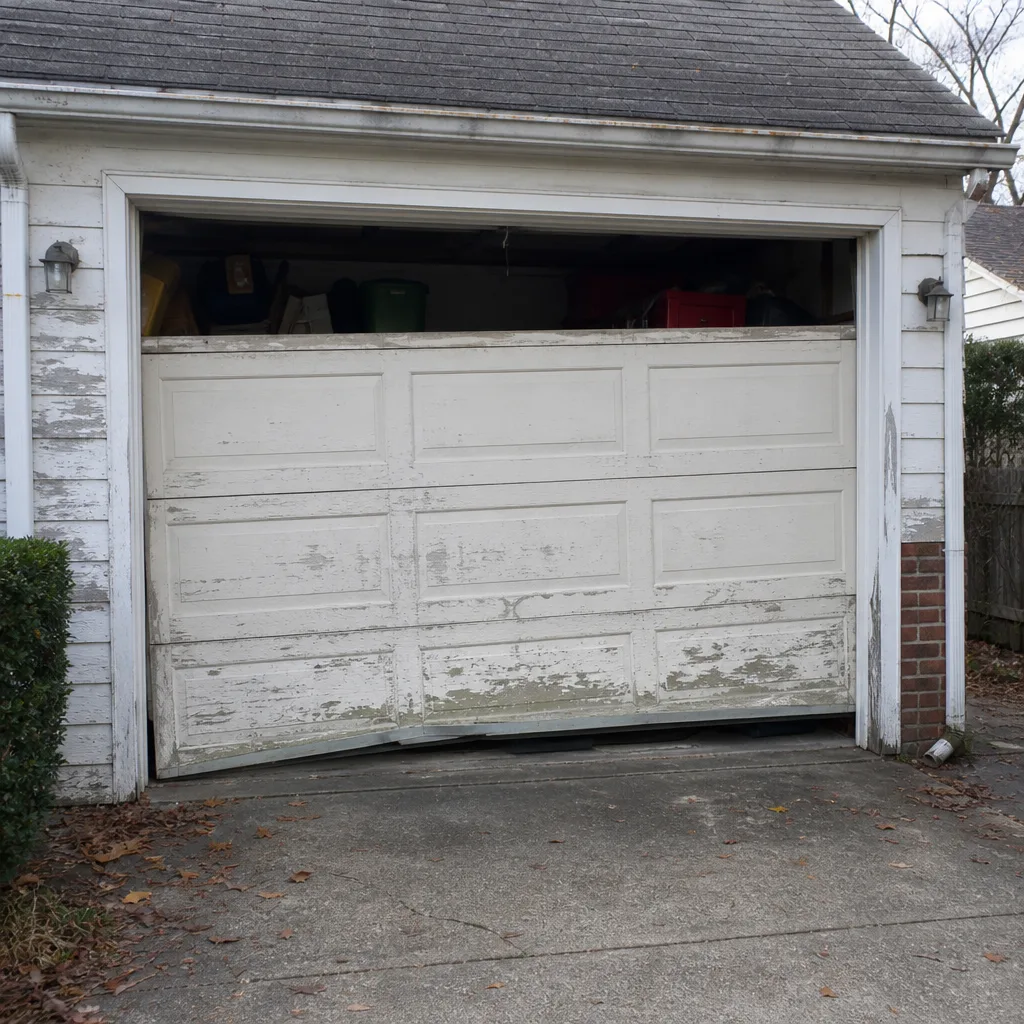 Before
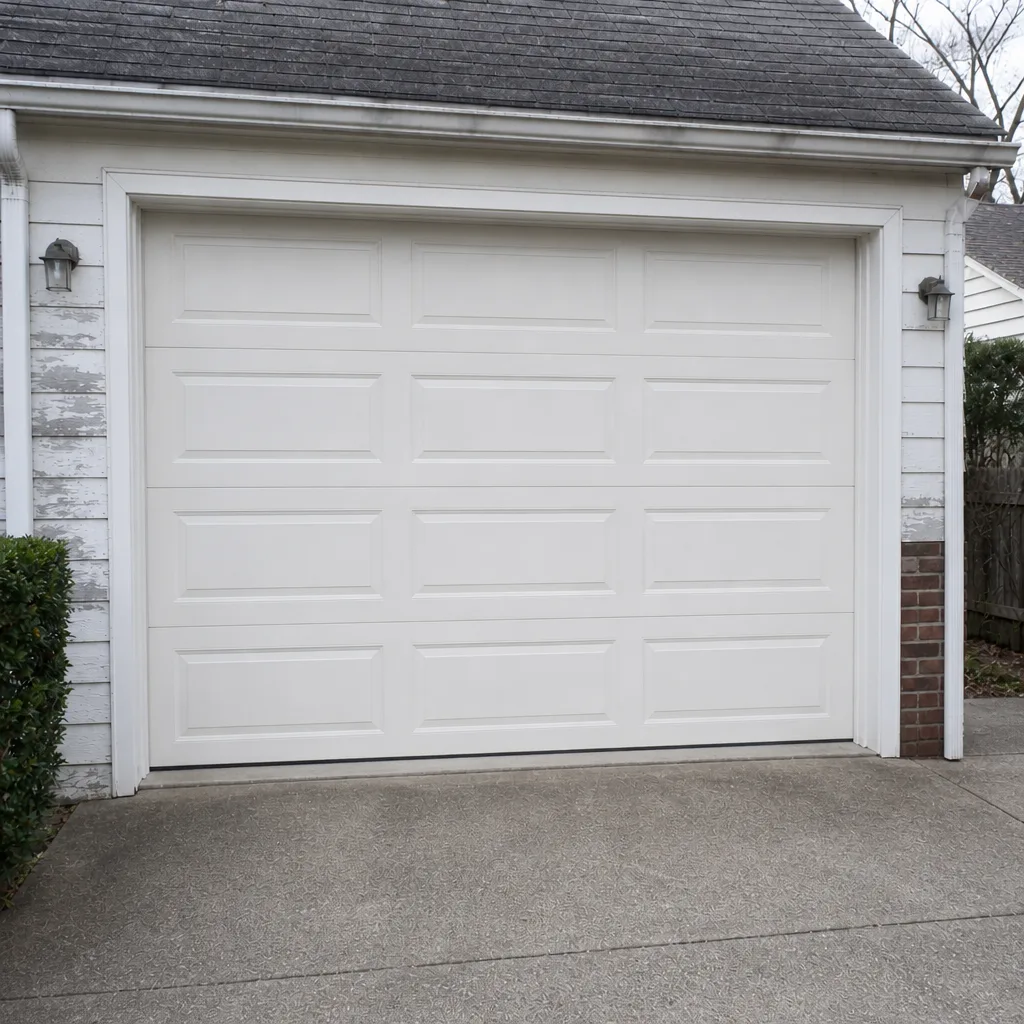 After