Last updated November 21, 2026
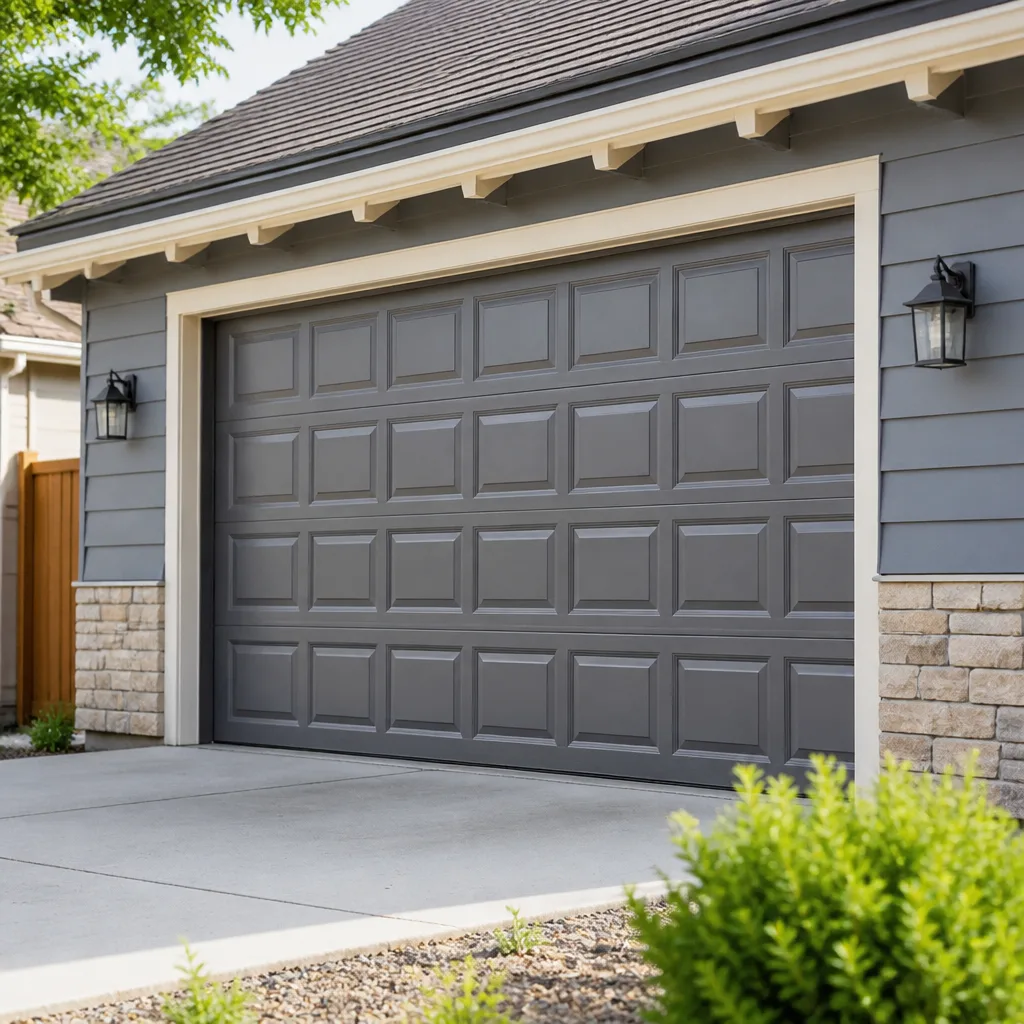 Raised-panel steel
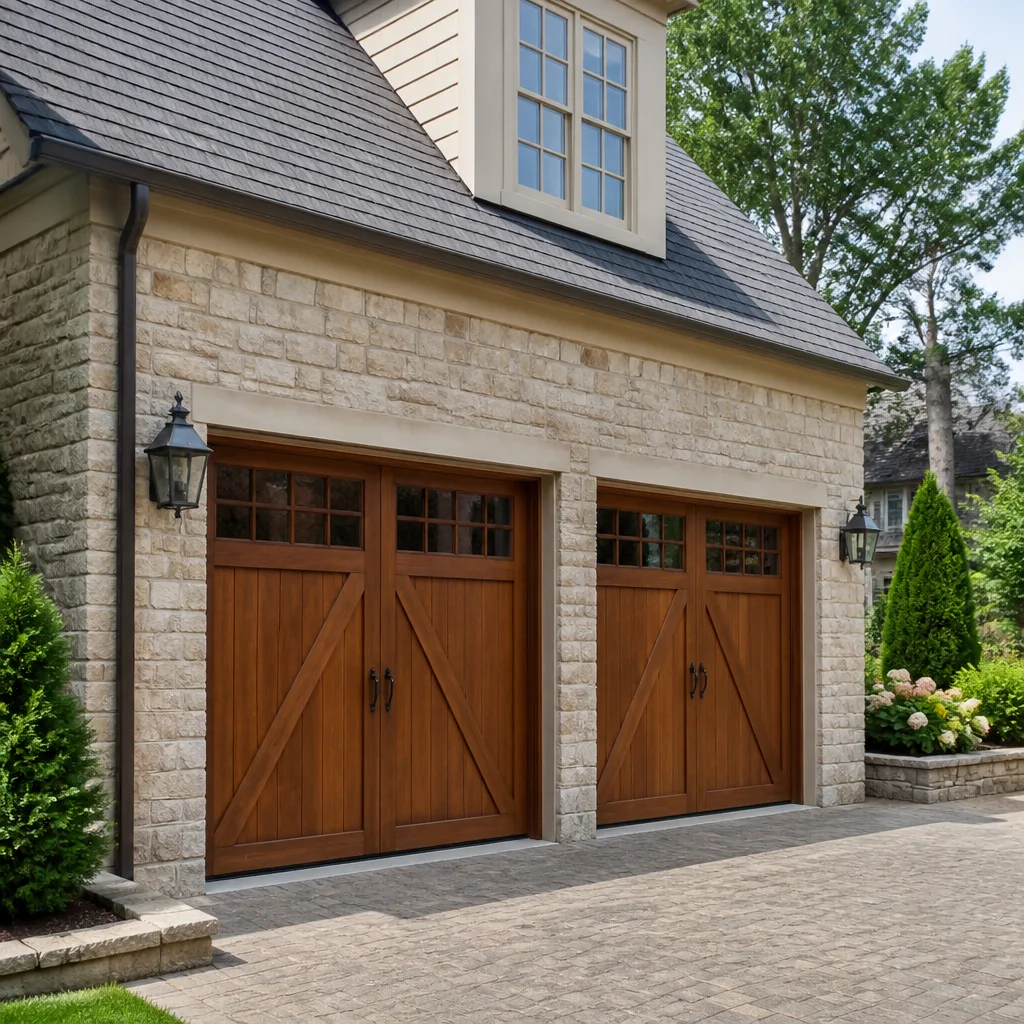 Carriage house
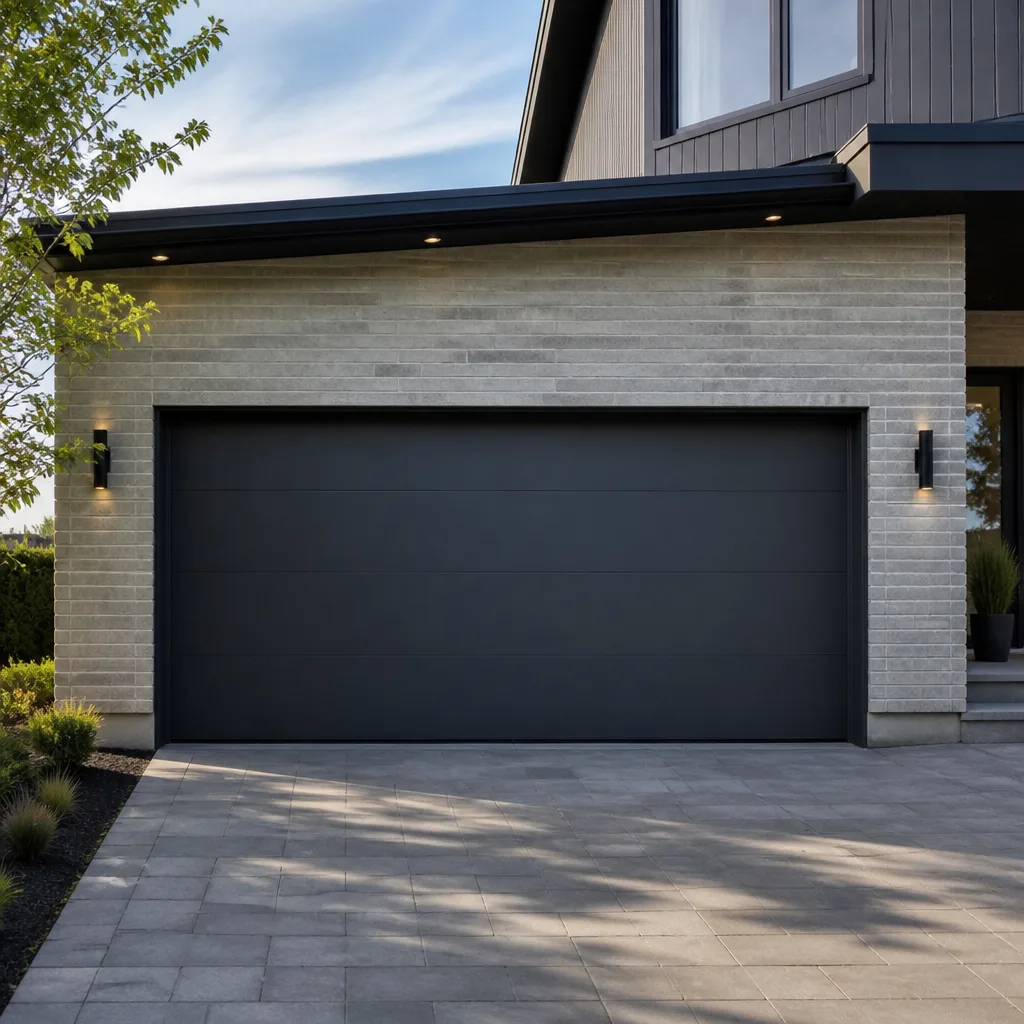 Modern flush
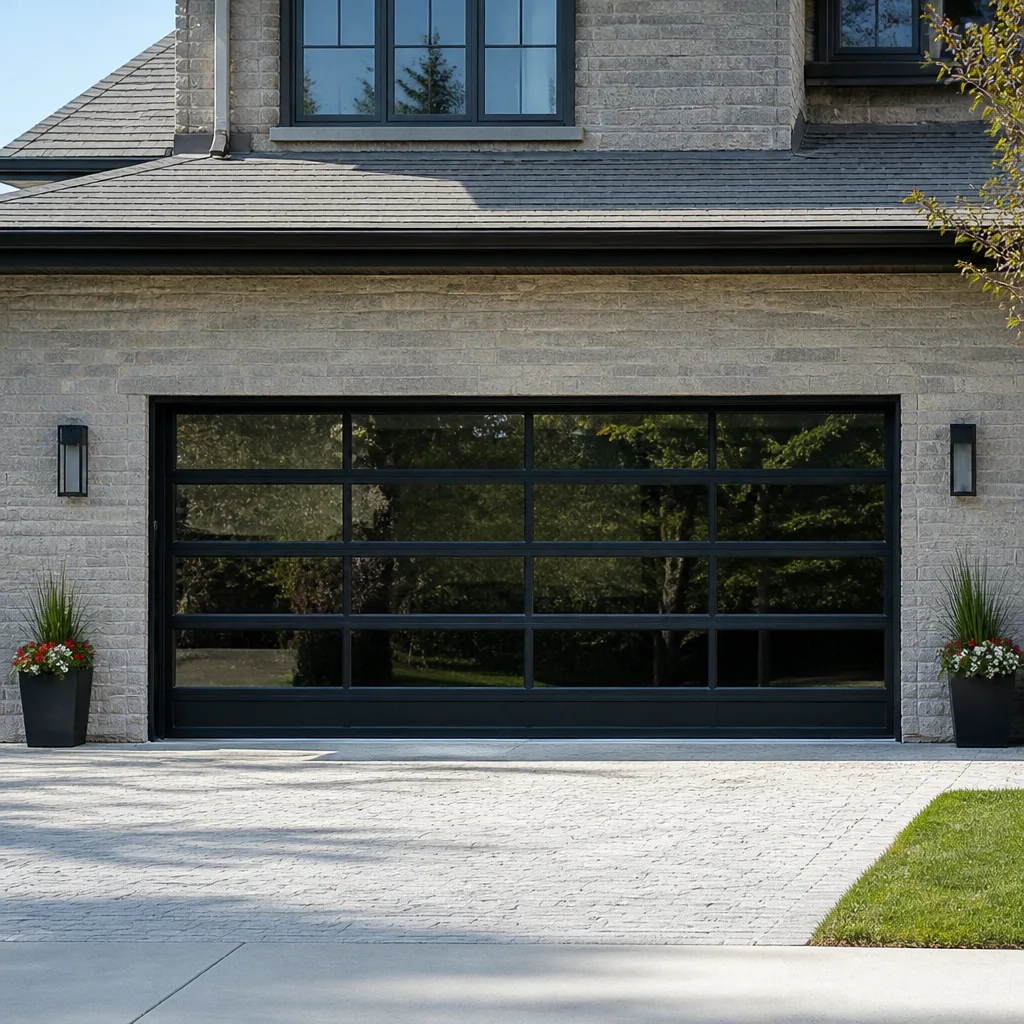 Full-view glass
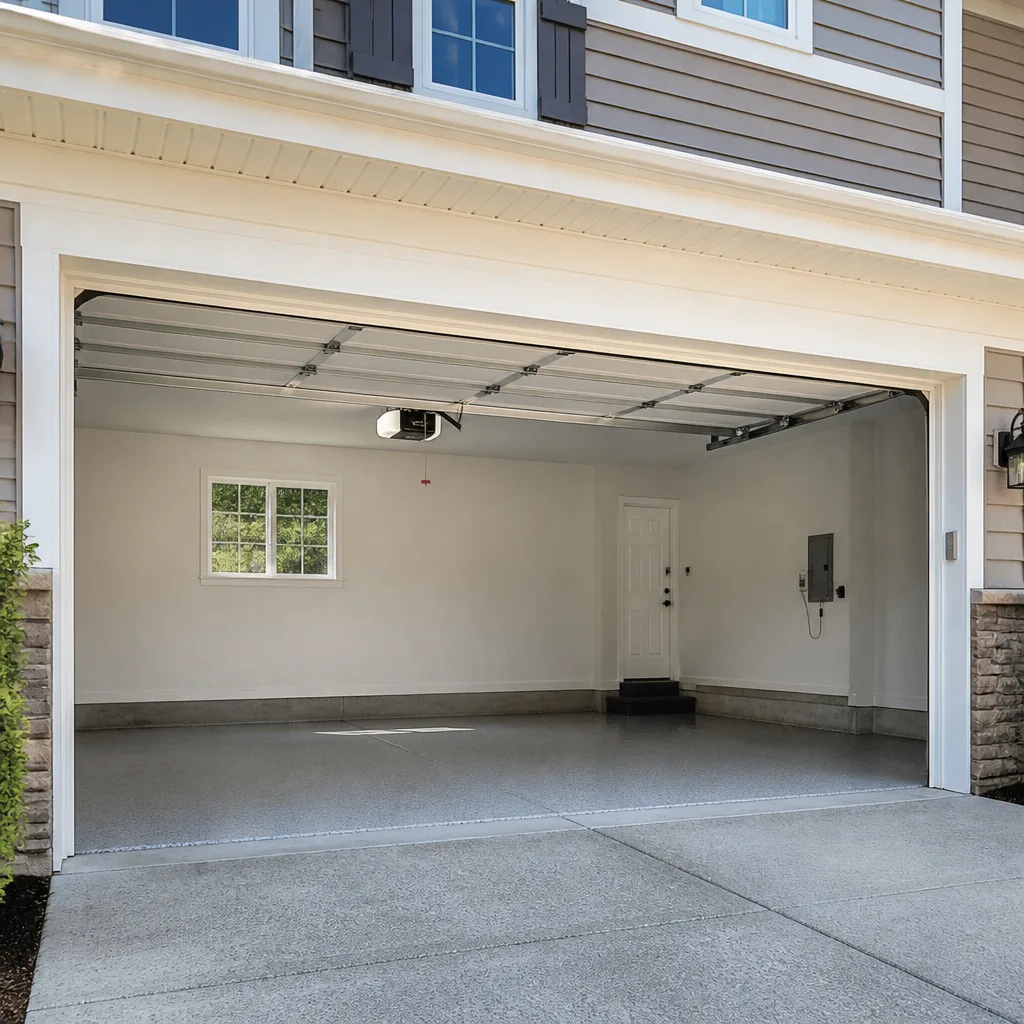 LiftMaster openers
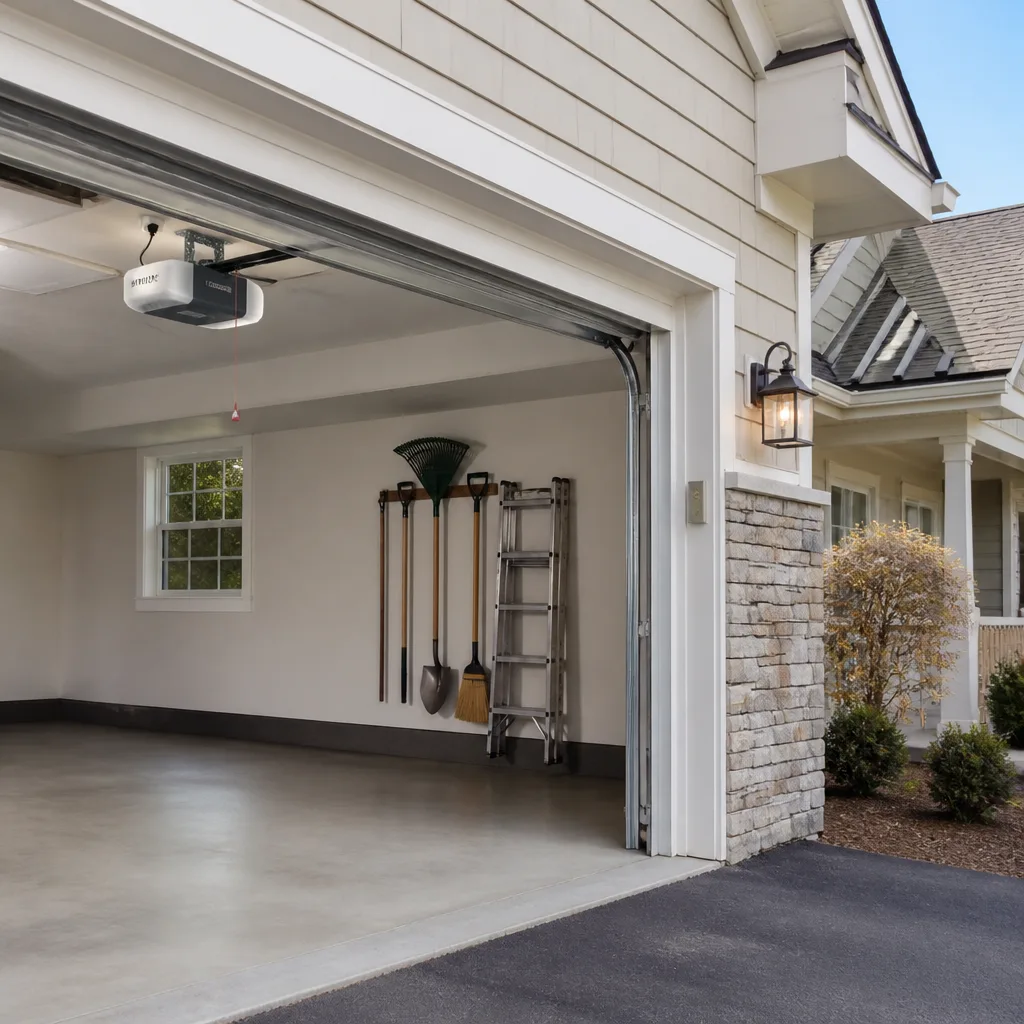 Chamberlain openers
Full 25-point door and opener safety check with every visit - springs, cables, rollers, tracks, and your LiftMaster or Chamberlain opener included
You get a price before we start. It does not change when the pro arrives.
Get your free estimateThe Complete Guide to Garage Doors in Highland Park
Most Highland Park garages were designed before the modern two-car door standard existed, which means the average installation guide written for a suburban subdivision is quietly wrong for about half the homes on your street. Openings built in the 1920s and 1930s were sized for a single Model A, not a minivan, and the low ceilings and hand-poured floors that came with them still shape what door, track, and opener will actually fit today. This guide walks through how those older dimensions change your choices, which opener drive types work in a bungalow with seven feet of headroom, which brands our technicians work on, and how to document your system before anything fails so you’re not guessing at midnight with a car stuck inside.
Quick Answer
Garage door work in Highland Park is shaped by the neighborhood’s pre-war housing stock: narrow single-car openings, uneven slab floors, and low headroom that rule out many standard doors, track kits, and openers sold for new construction. The right approach is to measure your opening and headroom first, pick a door and opener sized to those real numbers, and use a technician who works on your specific brand. Spring repair, opener repair, panel and cable work can all be handled in a single visit when the technician knows the system, and pricing is quoted before any work begins.
Styles & brands we work with
- Raised-panel steel
- Carriage house
- Modern flush
- Full-view glass
- LiftMaster openers
- Chamberlain openers
Table of Contents
- How Pre-WWII Garages in Highland Park Change Your Door Options
- Choosing a Door for an Older Opening
- Which Opener Drive Type Fits a Highland Park Bungalow?
- Brands, Parts, and Service Coverage in the Pittsburgh Metro
- What “Full-Service” Actually Means When the Technician Arrives
- Spring Repair, and Why It’s a Job for a Professional
- A Simple Maintenance Routine for Older Doors
- How to Document Your System Before Something Breaks
How Pre-WWII Garages in Highland Park Change Your Door Options
The single biggest issue in Highland Park garages is that they were built to fit cars, not to fit doors. A 1925 sedan was narrow, and the garage that housed it was often built with an opening closer to 8 feet wide than the 9-foot single-car standard that became common after the war. Many of these openings also sit slightly off-square, because they were framed by hand and the concrete floor has settled unevenly over decades. A modern sectional door shipped in a standard size may not close flush to an opening that’s a half inch out of square, and the weather seal will gap.
What this means in practice:
- Measure the clear opening, not the door. The opening width and height are what a new door must fit, and on older Highland Park homes they often differ from what a tape measure across the old door suggests.
- Check headroom before you shop. Low-clearance garages need low-headroom track or a different opener entirely. This is the number most homeowners skip, and it’s the one that decides what’s possible.
- Expect the floor to slope. Hand-poured slabs in older homes often fall toward the alley or the street so water drains. A door has to be adjusted to close evenly across that slope, which is why bottom seals wear faster here.
- Watch the side clearance. A narrow opening leaves little room for vertical track and hinges. Standard track may not fit against the wall, and the fix is a narrower profile or a different door construction.
None of this is a reason to replace a door that’s still working. It’s a reason to have someone measure the actual opening before you buy. Our technicians have up to 12 years of experience and have measured hundreds of older openings in Highland Park, and the conversation almost always starts with the tape measure, not the catalog.
Choosing a Door for an Older Opening
Once you know your opening’s real dimensions, door selection becomes straightforward. The two decisions that matter most are construction and insulation, and the local climate pushes both. Pittsburgh-area winters are cold enough that an uninsulated steel door on an attached garage turns the room above it or beside it noticeably colder, and the freeze-thaw cycle works on steel panels and wood alike. A basic single-layer steel door is the least expensive option and works fine on a detached garage that stores lawn equipment. If the garage shares a wall with living space, an insulated door is worth the step up.
What to weigh:
- Steel handles the local weather well and needs little care. Dents from a bumped car are the main risk on a narrow opening.
- Wood suits the look of a 1920s or 1930s Highland Park home but needs repainting on a schedule the local freeze-thaw cycle will not let you skip.
- Aluminum and glass work on newer additions and modern garages but rarely suit a pre-war facade and cost more.
- Custom sizing is often necessary rather than optional on an older opening, and it’s a normal part of garage door installation rather than an unusual request.
Insulation value, window placement, and panel style are the last decisions, and they’re easier once the size is settled. If your current door is beyond repair, replacing it is a measured, ordered job rather than a same-day one, so plan on a free measure and a written price before anything is built.
Which Opener Drive Type Fits a Highland Park Bungalow?
Opener choice in Highland Park usually comes down to headroom. A bungalow with a low ceiling and a door that tracks close to it has less room above the door than a modern garage, and a standard chain or belt unit hung from the ceiling may not fit without modification. The three common drive types each solve a different problem:
- Belt drive. Quietest of the common types, and a good pick if there’s a bedroom above the garage. It still needs ceiling clearance for the rail, so it’s a fit for garages with normal headroom.
- Chain drive. The most common and durable option, and it works in the same ceiling-hung space as a belt unit. It’s louder, which matters in a house where the garage sits under a living area.
- Jackshaft (wall-mount) drive. Mounts on the wall beside the door rather than the ceiling, which makes it the answer for low-clearance garages where a ceiling-hung unit won’t fit. This is often the right choice in a Highland Park bungalow, and it also frees up the ceiling for storage.
Two other points come up repeatedly. Safety sensors at the floor are required on any opener installed today, and on a narrow opening they need to be aimed carefully so the door itself doesn’t block the beam. And on an older door, the opener has to be matched to the door’s weight and balance; a door that’s out of balance will wear out any opener faster, no matter the drive type. Our technicians work on all three drive types and can tell you which fits your garage after a look. If the opener itself is failing, garage door opener repair is usually faster and cheaper than replacement.
Brands, Parts, and Service Coverage in the Pittsburgh Metro
The frustrating experience many Highland Park homeowners describe is a technician who arrives, looks at the opener, and says they don’t carry that brand. That’s common with single-brand dealers and general handymen, and it turns a one-visit repair into a callback and a wait. We work on eight of the most widely installed residential brands, which covers most of what’s on a Pittsburgh-area garage: LiftMaster, Chamberlain, Genie, Clopay, Amarr, Wayne Dalton, Craftsman, and Raynor.
Why brand familiarity matters in practice:
- Faster diagnosis. Each brand has quirks, from logic board behavior to how the safety reverse responds after travel-limit adjustments. Knowing the system shortens the visit.
- Parts availability. Having parts for multiple brands means the repair usually happens in a single visit, rather than a diagnostic call followed by a return trip once a part is ordered.
- Openers and doors together. A Clopay door and a LiftMaster opener are a common combination in this area, and both need to be serviced together when something goes wrong.
The Pittsburgh metro is a mix of older stock and newer subdivisions, and a brand that’s common in a 1950s Highland Park garage may differ from what’s in a newer home in the surrounding townships. The practical takeaway: know your brand and model before you call, and confirm the technician works on it. We do, and the list above is the one we cover.
What “Full-Service” Actually Means When the Technician Arrives
Full-service is a phrase that gets used loosely, so it’s worth being specific. In our experience on Highland Park homes, a single visit is usually enough to address several things at once: a spring at the end of its life, an opener that’s straining, a bent bottom panel, and a frayed cable are often found in the same garage. What you want from a technician is the whole system looked at, not just the one symptom that prompted the call.
What a full-service visit covers:
- System inspection. Door balance, spring condition, cable condition, roller wear, track alignment, and opener operation are checked together.
- Diagnosis. You’re told what’s actually wrong, in plain terms, and what the fix involves.
- Written quote. The price is quoted and agreed before any work starts, and the written estimate sets the final price.
- Repair. Spring, opener, panel, or cable work is done by the same technician on the same visit where possible, using parts for the system on your door.
- Test and adjust. The door is cycled, the safety reverse is checked, and the limits are set before the technician leaves.
This is where the choice of provider shows. A technician who only does one brand, or a handyman who does everything, will get to the wrong answer more slowly or order a part they don’t have. When you have a system that needs diagnosing, garage door repair from a specialist who knows your brand is the right call, and our technicians have up to 12 years of experience across those eight brands.
Spring Repair, and Why It’s a Job for a Professional
Garage door springs are under high tension, and they’re the most dangerous component on the system. When a spring is under load, the stored energy is enough to cause serious injury to anyone who tries to release or adjust it without the right tools and training. We treat spring repair as its own dedicated service because it’s a genuinely different job from routine adjustment, and it’s one of the most commonly botched when someone tries it themselves.
How a spring repair job usually goes:
- Torsion springs mount on the header above the door and are common on older Highland Park garages. Failure usually shows as a snapped spring with the door stuck partway.
- Extension springs run along the track on each side. When one fails, the door becomes uneven and the remaining spring is under extra load.
- Matched pairs. When springs are paired, they’re usually replaced together, because both have had the same number of cycles. A quote for a pair costs about twice the single-spring range, and the technician will tell you which applies before starting.
The safest rule is simple: don’t try to remove, loosen, or adjust a spring yourself, and don’t let someone who isn’t trained on garage doors do it either. If a spring has snapped, keep the door closed and call. The technician will arrive, assess the spring type and door weight, quote the repair, and only then do the work. It’s not a job that should be rushed, and it’s not one where a cheaper quote is worth much.
A Simple Maintenance Routine for Older Doors
Older doors in Highland Park need more looking after than new ones, mostly because the moving parts have seen more cycles and the floor beneath them has had more time to shift. A short routine catches small problems before they become spring or opener failures.
- Once a month: listen and watch. Run the door and listen for grinding or popping. Watch for jerking or uneven movement, which are early signs of spring or roller trouble.
- Once a month: check the balance. With the door closed and the opener disconnected, lift the door partway by hand. It should stay where you let go. If it drops or rises, the springs are out of balance and a technician should look at it.
- Twice a year: lubricate. Rollers, hinges, and the torsion shaft get a small amount of garage-door lubricant. Avoid the tracks themselves, which should be clean and dry.
- Twice a year: check the seals. The bottom seal takes the worst of a sloped floor, and a worn seal lets water and cold air in. Replacing it is inexpensive.
- Annually: check the hardware. Look for loose bolts, worn cables, and bent tracks. Tighten what you can reach safely, and leave cables and springs to a technician.
One local note: the freeze-thaw cycle in this part of Pennsylvania works on steel and on concrete, and it’s worth a quick walk-around after the first hard freeze each year to look for new gaps at the bottom seal or fresh cracks in the slab under the door.
How to Document Your System Before Something Breaks
The worst time to learn your door’s model number is when the door is stuck and there’s a car inside. A few minutes spent documenting your system now saves time and money when a repair is needed, and it helps any technician diagnose faster. Here’s what to record:
- Door brand and model. Look for a sticker or plate on the inside of the top panel or the end stile.
- Opener brand and model. The opener housing has a label, and the wall control or remote sometimes carries the same information.
- Opening width and height. Measure the clear opening, not the door, and note both numbers.
- Headroom and side clearance. Measure from the top of the door to the ceiling, and from the door edge to the side wall.
- Spring type. Torsion or extension, and how many springs, from a look at the header or the tracks.
- Photos. A few phone photos of the inside of the door, the opener, and the spring area make a real difference on the phone.
Keep the notes on your phone or taped inside the garage. When you call, you’ll be able to tell the technician the door brand, the opener brand, and the opening size, and the visit starts at diagnosis instead of at the label. This is one of the simplest things a Highland Park homeowner can do, and it’s also what our own visit notes look like.
Common Mistakes to Avoid
- Buying a door before measuring the opening. A standard-size door may not fit a pre-war opening. Measure first, then shop.
- Ignoring headroom. The number of homeowners who buy an opener and find it won’t fit under a low bungalow ceiling is not small. Check clearance before you choose a drive type.
- Trying to fix a spring yourself. Springs are under high tension and can cause serious injury. This is a job for a trained technician, every time.
- Calling a generalist for a brand-specific problem. A handyman who doesn’t know your opener brand will often misdiagnose it. Confirm the technician works on your system before booking.
- Skipping the balance check. An unbalanced door wears out openers, springs, and cables faster. A one-minute balance test monthly catches it early.
- Letting a wear item go until it fails. A worn bottom seal, a frayed cable, or a noisy roller is cheap to replace and expensive to ignore.
- Not keeping the model numbers. Two minutes now saves a callback later, and it’s the difference between a diagnosis and a guess.
See the difference
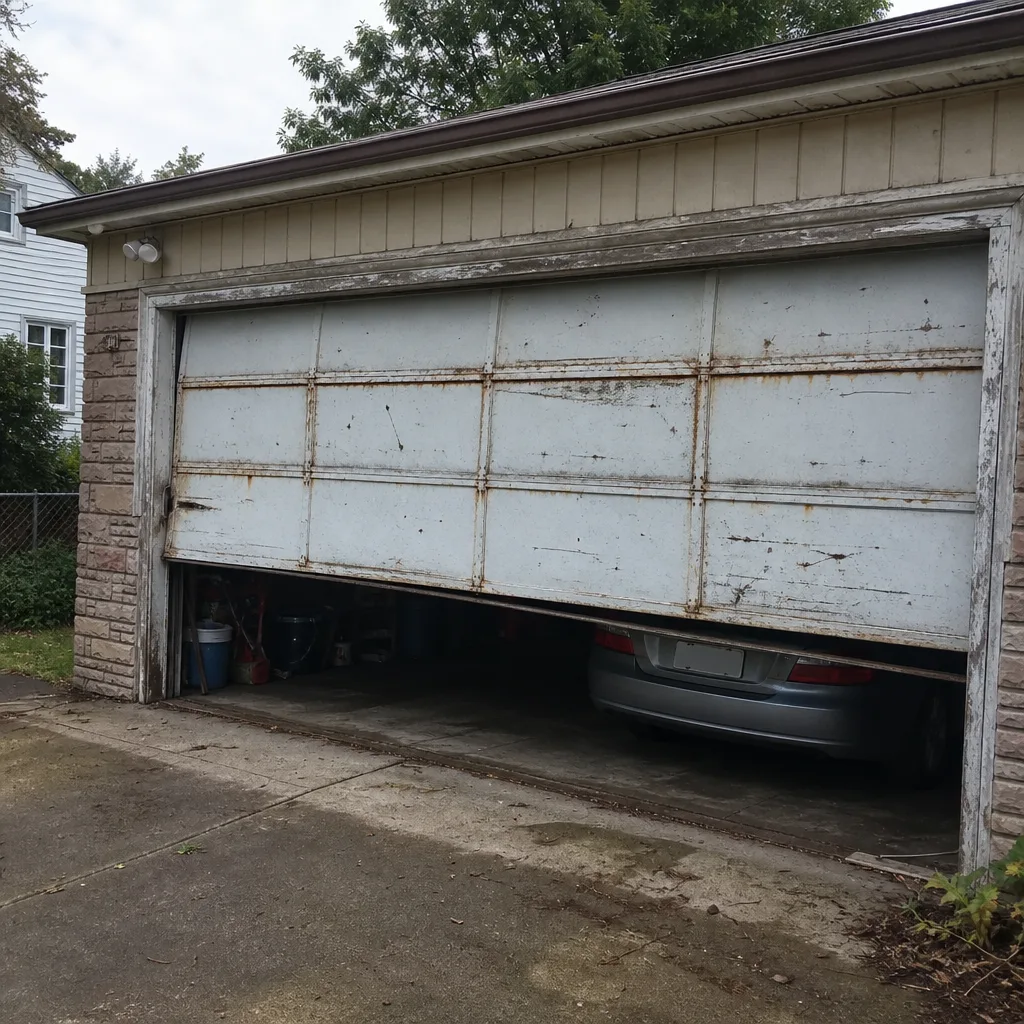 Before
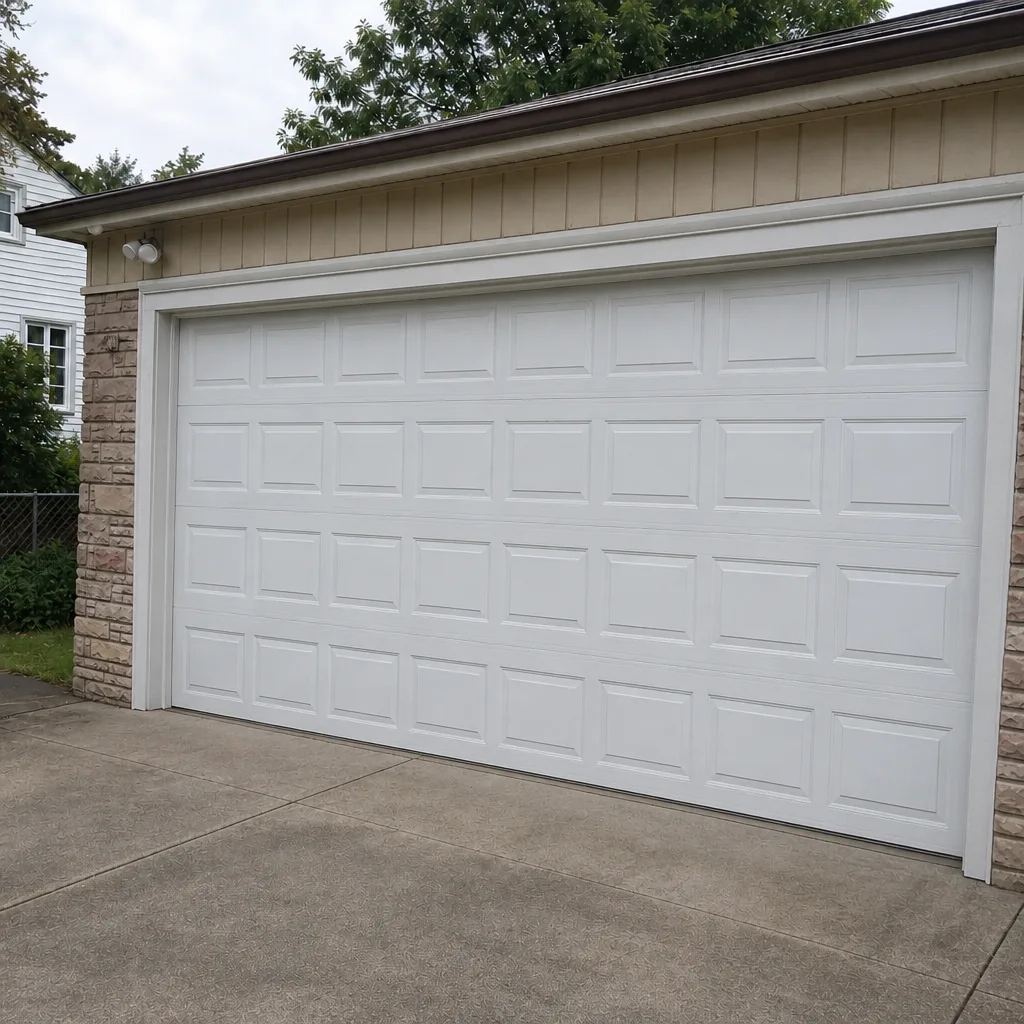 After
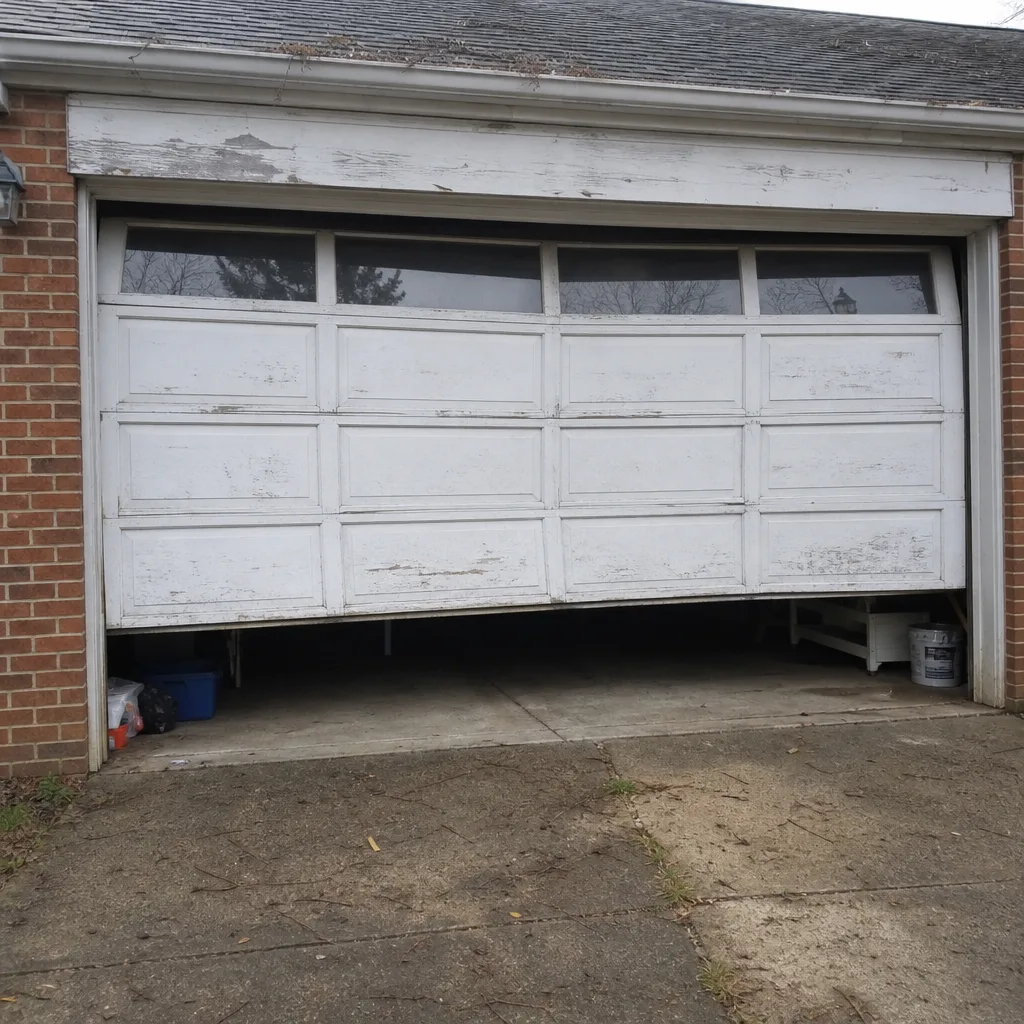 Before
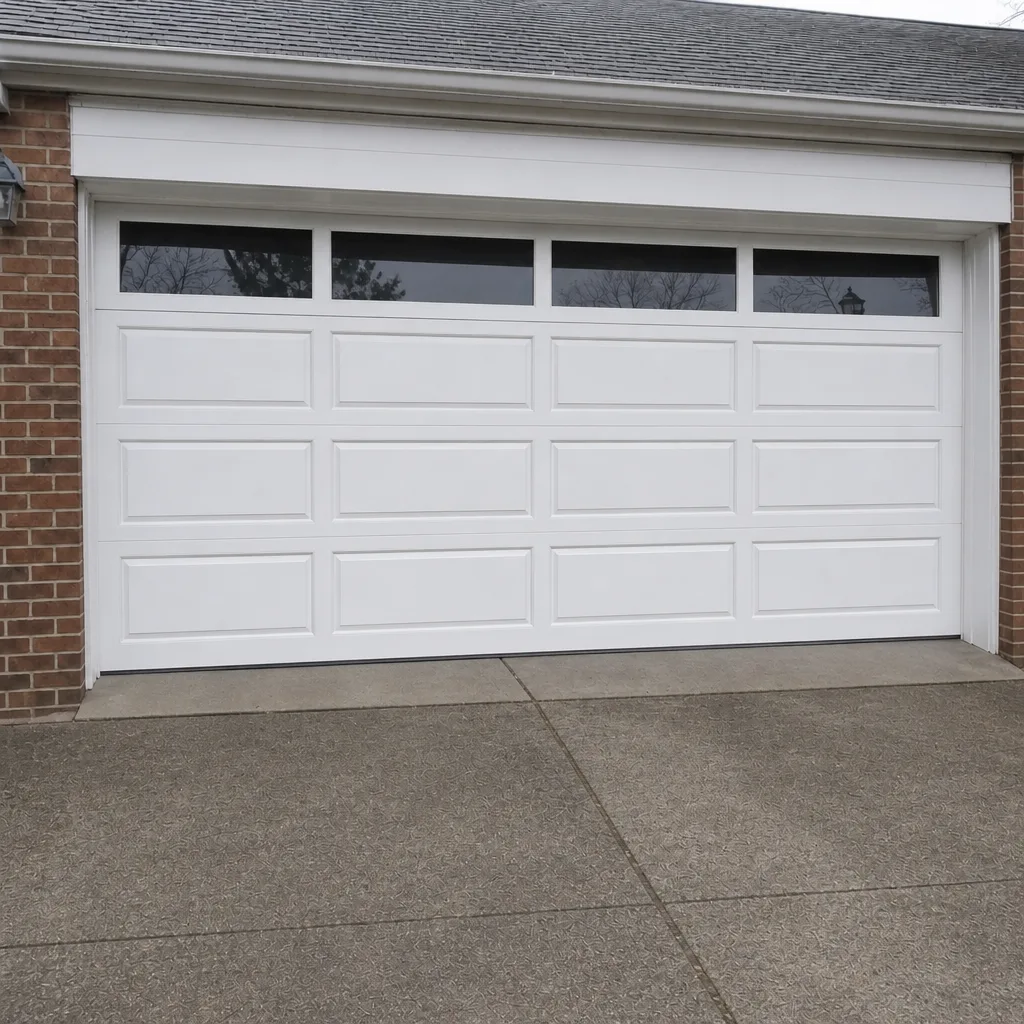 After
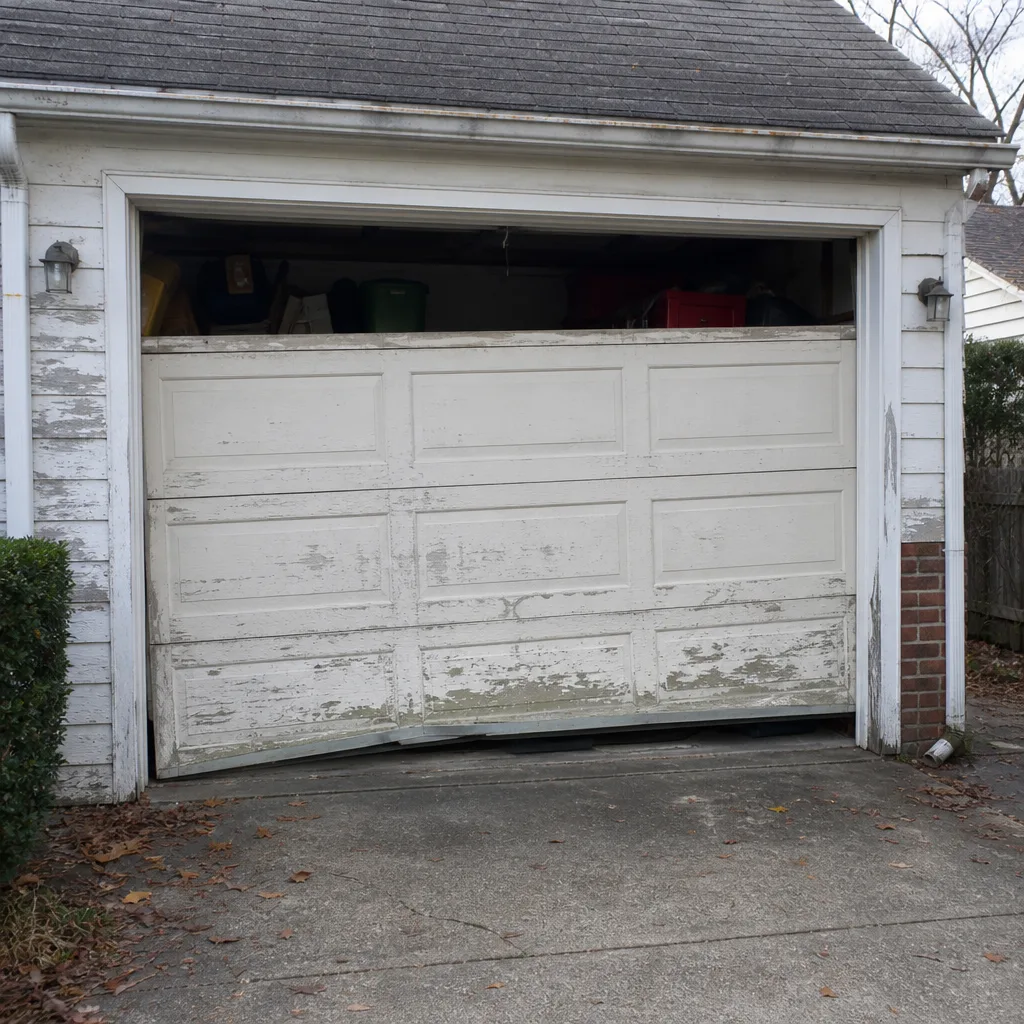 Before
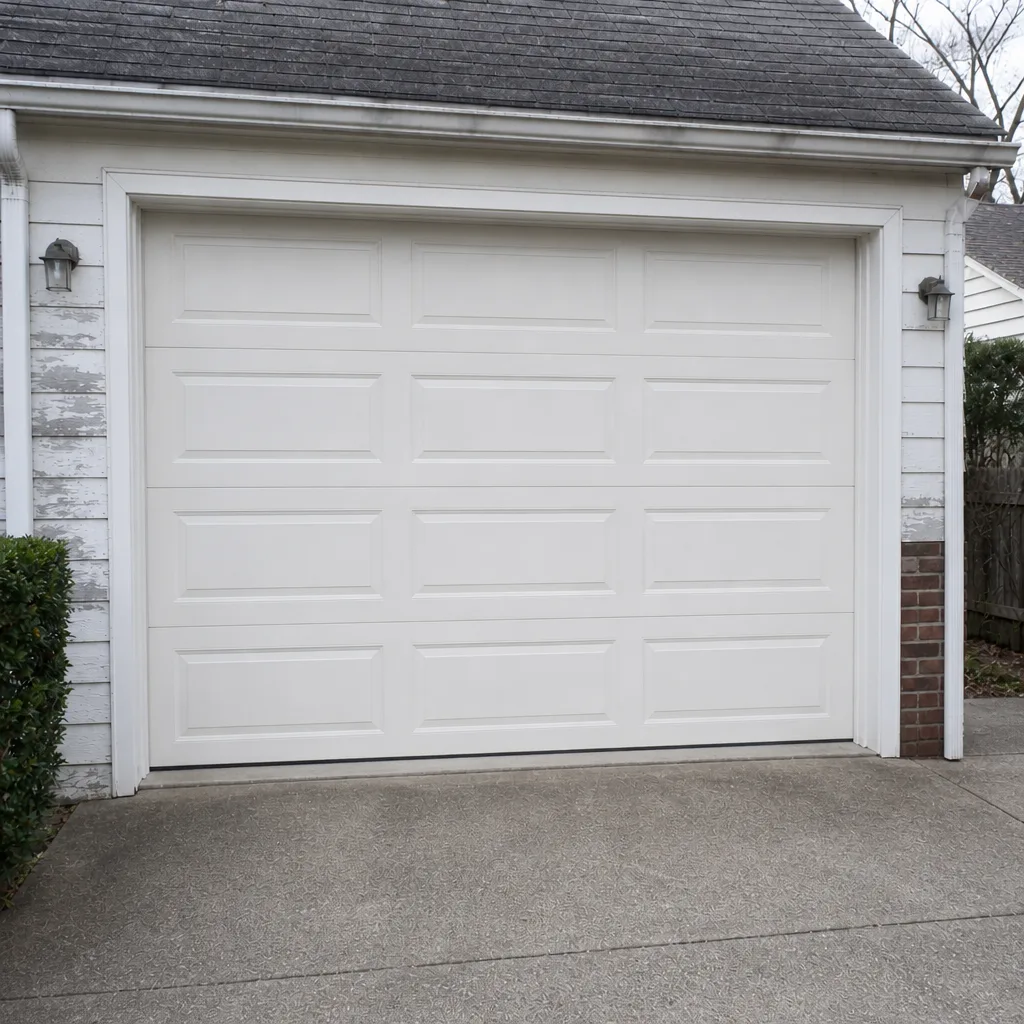 After
When to Call a Professional
Some jobs are fine to handle yourself: lubricating rollers, replacing a bottom seal, tightening a loose bolt you can safely reach. Others are not. Call a professional when a spring has snapped, when the door is off its track, when a cable is frayed or hanging, when the opener runs but the door doesn’t move, or when the door reverses on its own. These involve high tension or electrical components and are not worth the risk. If you’re unsure, a quick call is cheaper than a guess.
Highland Park Garage Door Repair Co offers free estimates in Highland Park, and the price is quoted and agreed before any work starts. If you’ve been told your brand can’t be serviced, or a part has to be ordered and you’ll need a callback, we work on eight of the most widely installed residential brands and usually have the parts for a single-visit repair. Call Highland Park Garage Door Repair Co at (844) 742-5213 to book a visit.
Frequently Asked Questions
Not always. Many Highland Park garages built between the 1920s and 1960s have openings that are narrower or shorter than the modern standard, and some are slightly off-square. A standard door may fit but not seal correctly. The safe approach is to measure the clear opening and headroom, then have a technician confirm sizing before you order.
A jackshaft, or wall-mount, opener is usually the best fit for a low-clearance garage because it mounts on the wall rather than the ceiling. Belt and chain drive units need ceiling clearance for the rail, which many Highland Park bungalows don’t have. Have the headroom measured first, then choose.
Spring repair pricing depends on whether the door uses torsion or extension springs, whether one or both are being replaced, and the door’s weight. A matched pair usually costs about twice the single-spring range because both are replaced together. Call (844) 742-5213 for an exact quote, and remember that the written estimate sets the final price.
No. The price is quoted and agreed before any work starts, and the written estimate is the final price. If the technician finds something that changes the job, you’ll be told before any work begins, and you’ll have the option to proceed or not.
Most likely, yes. We work on eight of the most widely installed residential brands: LiftMaster, Chamberlain, Genie, Clopay, Amarr, Wayne Dalton, Craftsman, and Raynor. If yours is on that list, the technician will know the system and usually have the parts for a single-visit repair. Call (844) 742-5213 if you’re unsure which brand you have.
For repair calls, yes when the schedule allows. Spring and opener failures are usually handled same-day because the door is unusable, and we can confirm timing when you call. New door installation is a measured, ordered, and scheduled job, not a same-day one, and it starts with a free measure and a written price.
The Bottom Line
Highland Park garages were built for a different era of car, and the openings, ceilings, and floors that came with them still shape every door and opener decision today. Measure the clear opening and headroom first, pick a door that fits the real numbers, choose an opener drive type that suits the garage, and use a technician who works on your brand. Keep the model numbers and a few photos on hand so a repair starts with a diagnosis. And leave the springs and cables to a professional. Call Highland Park Garage Door Repair Co at (844) 742-5213 for a free estimate, and we’ll work on your specific system from the door to the opener to the springs.
Written by the team at Highland Park Garage Door Repair Co.