Last updated November 21, 2026
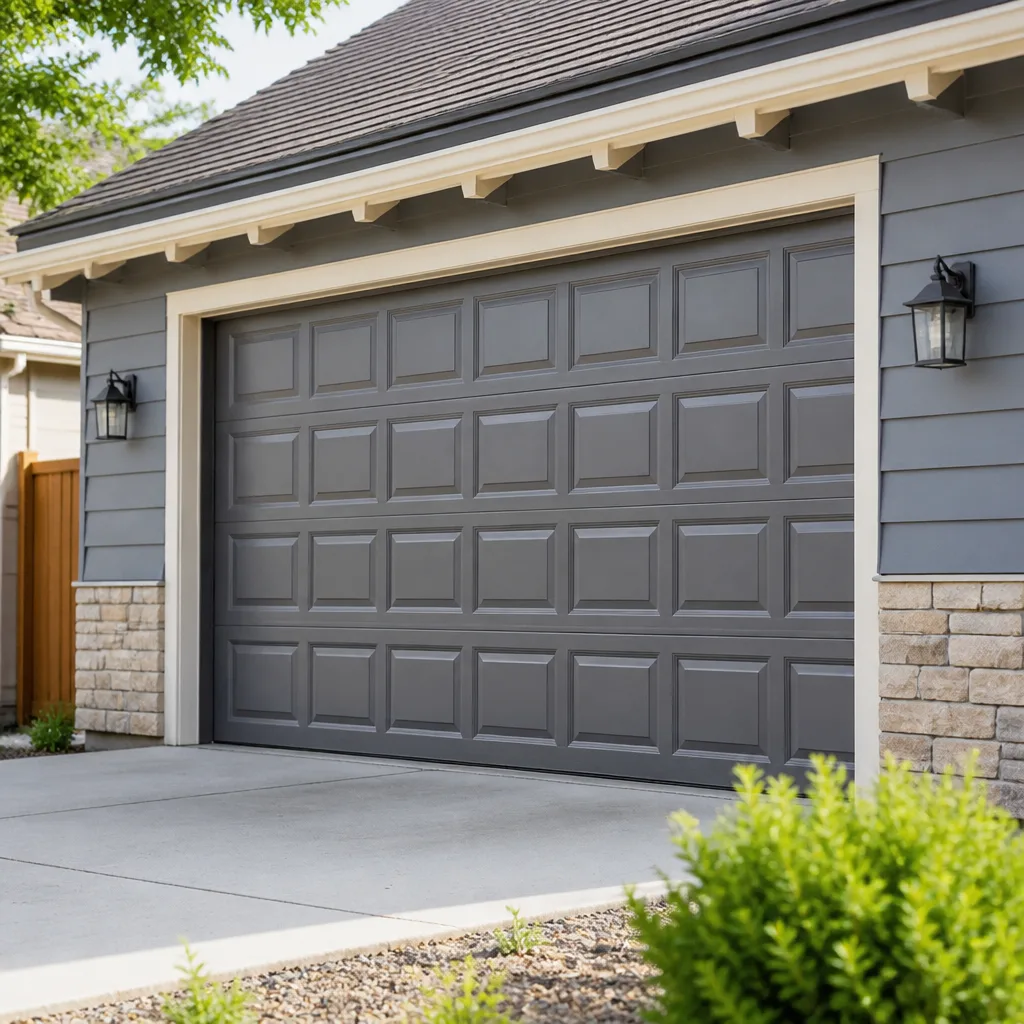 Raised-panel steel
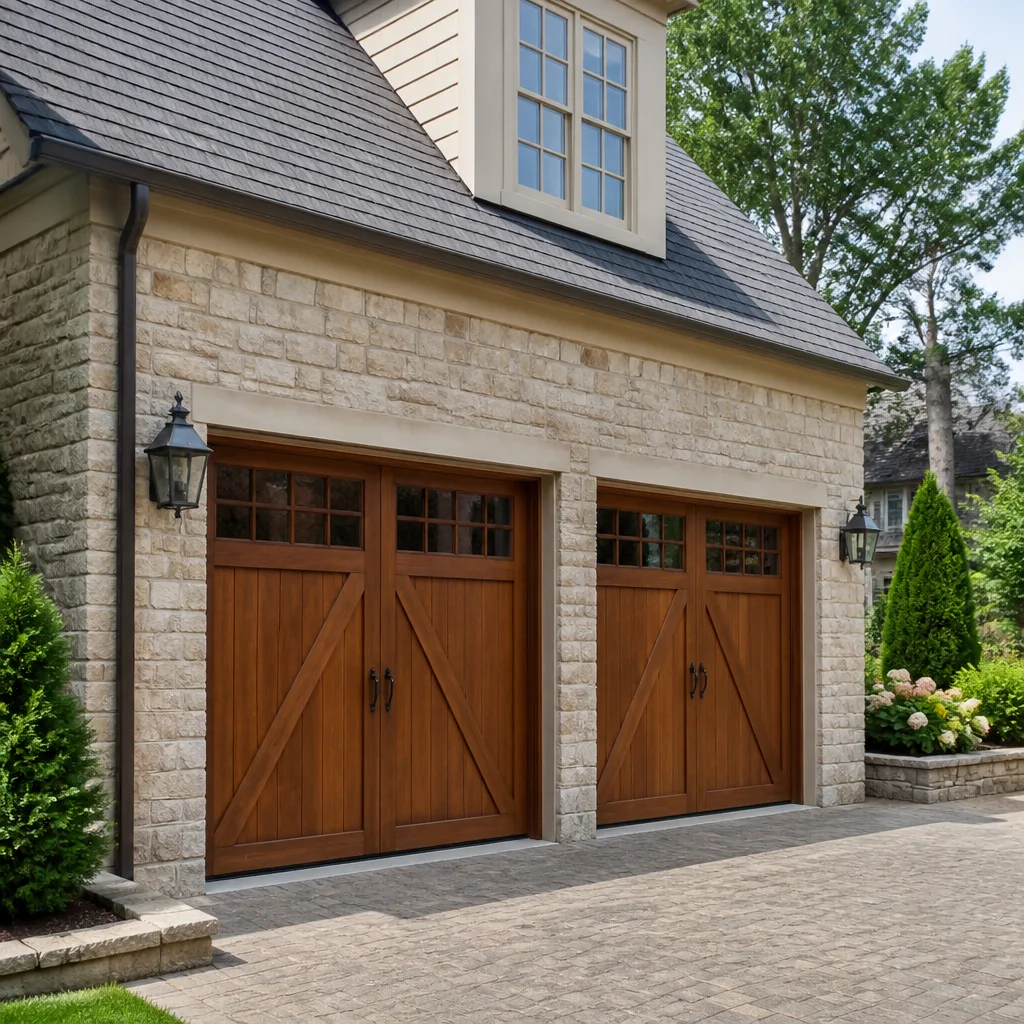 Carriage house
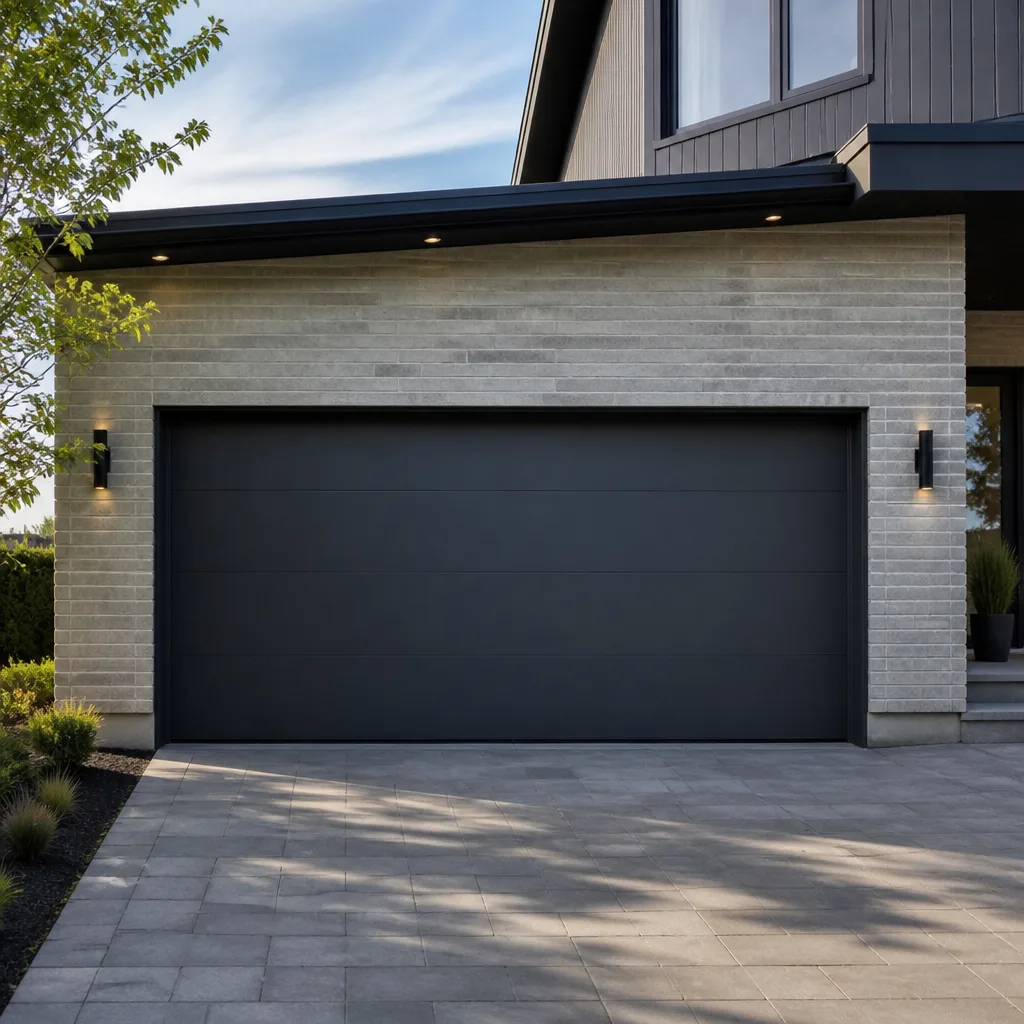 Modern flush
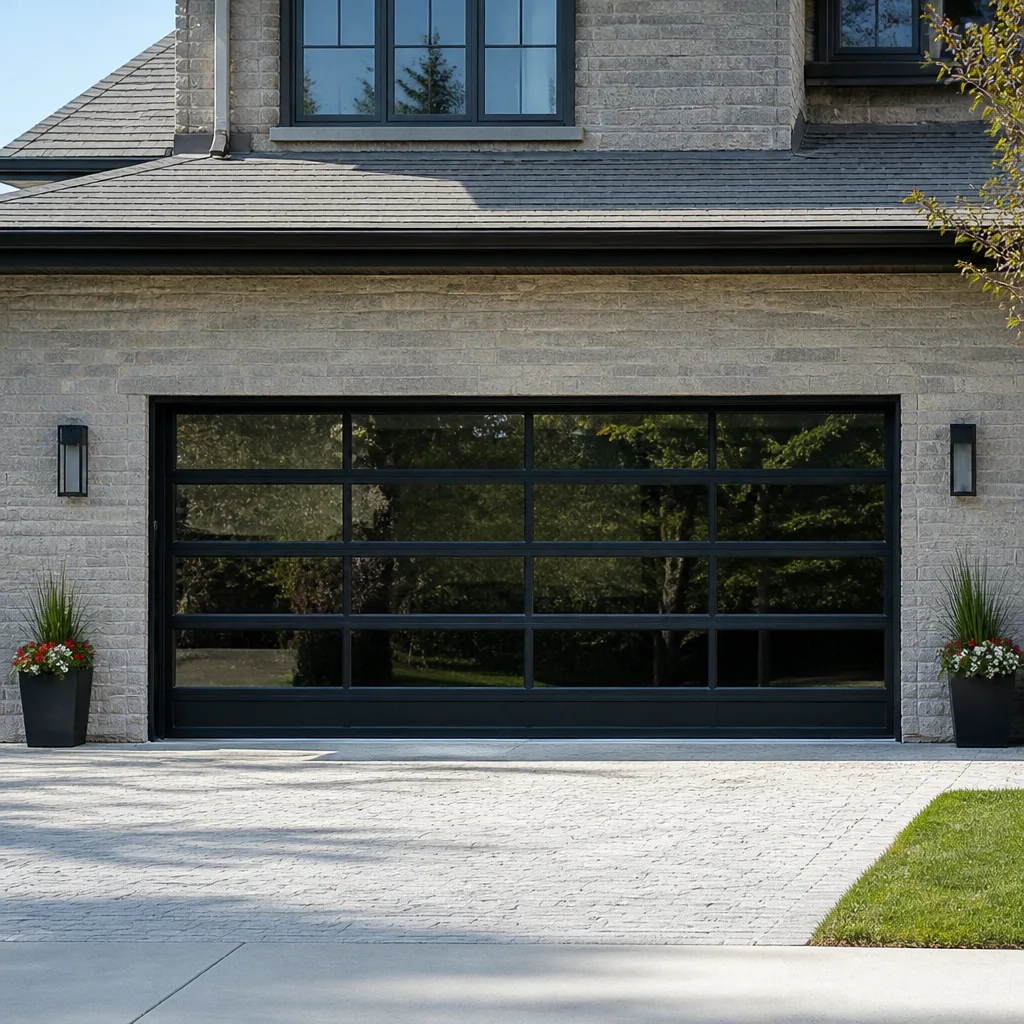 Full-view glass
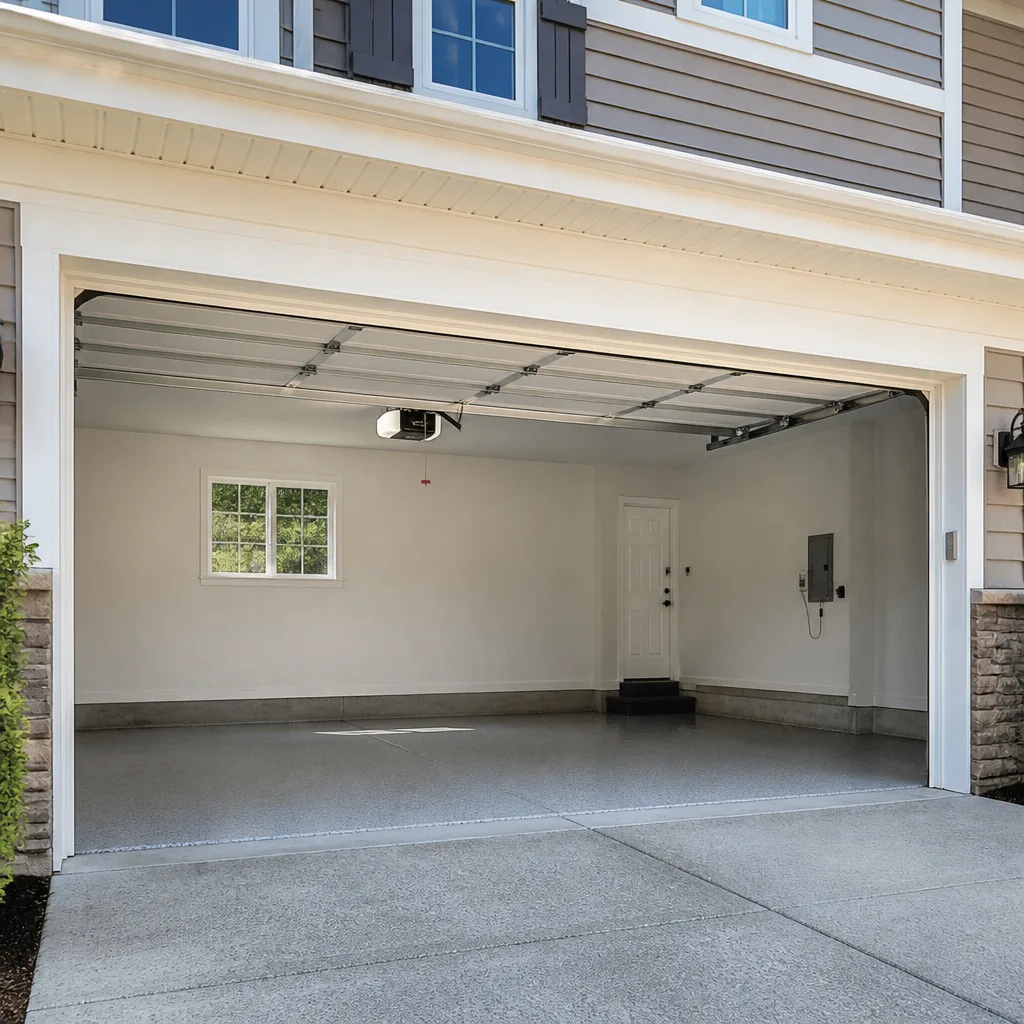 LiftMaster openers
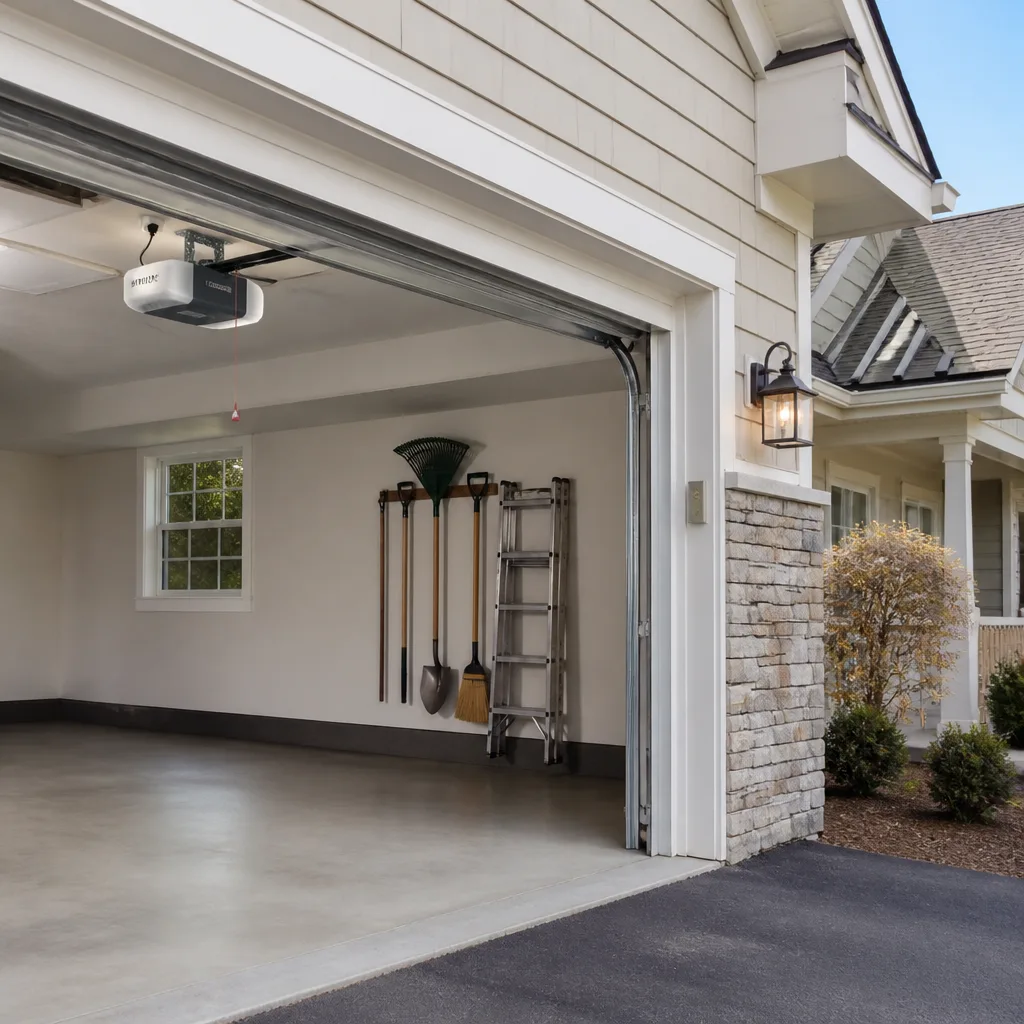 Chamberlain openers
Full 25-point door and opener safety check with every visit - springs, cables, rollers, tracks, and your LiftMaster or Chamberlain opener included
You get a price before we start. It does not change when the pro arrives.
Get your free estimateGarage Door Permits, Codes & Inspections in Highland Park, PA: What You Need to Know
Most homeowners assume that any garage door work requires a permit in Pennsylvania. The reality is almost the opposite. Swapping a door of the same size and type into the same opening is treated as ordinary repair, and it doesn’t trigger a permit in most Allegheny County municipalities, Highland Park included. But the moment you change the size of the opening, move it, or cut a new one, you’ve crossed from maintenance into structural work, and that’s a completely different conversation. This guide explains where that line sits, what “replacement in kind” actually means under the Pennsylvania Uniform Construction Code, what an inspector looks at during a garage door inspection, and what to do if a previous owner skipped the process entirely. If you’re planning garage work in Highland Park this year, the permit question is worth getting right before anyone picks up a tool.
Quick Answer
In Highland Park and most of Allegheny County, a straight garage door replacement in the same opening rarely needs a permit because it qualifies as replacement in kind under the PA Uniform Construction Code. A new opening, a widened opening, or any change to the structural framing around the door almost always requires a building permit, and often an engineer’s sign-off. Inspections, when required, focus on framing, header size, attachment and safety hardware rather than the door panels themselves.
Styles & brands we work with
- Raised-panel steel
- Carriage house
- Modern flush
- Full-view glass
- LiftMaster openers
- Chamberlain openers
Table of Contents
- What Triggers a Garage Door Permit in Highland Park?
- What “Replacement in Kind” Means Under the PA UCC
- When You Need a Permit and an Engineer’s Sign-Off
- Allegheny County Versus Pittsburgh Proper: Where the Rules Come From
- What Inspectors Actually Check at Rough-In and Final
- How to Retroactively Permit Work a Previous Owner Skipped
- What’s Specific to Highland Park Homes
- Your Permit Checklist Before Work Starts
What Triggers a Garage Door Permit in Highland Park?
The trigger isn’t the door. It’s the opening. That’s the single most useful thing to understand about garage door permits in Pennsylvania. A permit is tied to construction work on the building envelope, not to the door panel hanging in it. So the question to ask yourself isn’t “am I replacing a garage door?” but “am I changing the hole the door goes into?”
Here’s how the scope breaks down for a typical Highland Park home:
- Same-size swap, same opening, same material type: Almost never requires a permit. This is the standard replacement most homeowners are actually doing.
- Switching from a manual door to an opener, or replacing an opener: No permit. This is a mechanical and electrical appliance hookup, not structural work. If new wiring is being run in a finished wall, that’s an electrical question for your electrician, not a garage door question.
- Replacing panels or a section of a sectional door: No permit. This is repair work on an existing assembly.
- Changing the door’s material or style but not the opening: Generally no permit. A Clopay steel door swapped for an Amarr insulated door in the same opening is a replacement in kind.
- Widening, raising, lowering the opening: Requires a permit. The header above the opening is load-bearing, and moving it changes what the wall is carrying.
- Cutting a new opening where a solid wall used to be: Requires a permit and typically structural design work.
- Relocating the garage door entirely: Requires a permit.
Notice how the trigger is never about how nice the new door is or what brand it is. A Wayne Dalton door in the same opening is the same scope as a basic builder-grade door in the same opening. The code cares about what you’re changing, not what you’re installing. If you’re unsure which category your project falls into, that’s a five-minute conversation with your municipal building department. Ask them directly: “I’m replacing a 16 by 7 sectional door with a 16 by 7 sectional door in the same opening, does this require a permit?” You’ll get a clear yes or no.
What “Replacement in Kind” Means Under the PA UCC
The phrase you’ll hear from building departments again and again is “replacement in kind,” and it’s the reason most Highland Park garage door swaps sail through without paperwork. Under the Pennsylvania Uniform Construction Code, ordinary repairs and replacement of equipment or materials with like-kind materials do not constitute construction that requires a permit. The key word is “like-kind.” The replacement has to serve the same function, in the same location, at the same size, without changing the structural system.
What replacement in kind looks like in practice:
- Same opening size. A 9×7 door comes out, a 9×7 door goes in. No dimension changes.
- Same location. The door stays where it is. No moving the opening a few feet over “while we’re at it.”
- Same general type. Sectional for sectional. Tilt-up for tilt-up.
- No framing changes. You’re not cutting the header, building new jambs, or altering the rough opening.
- No change to how the load is carried. The wall above and the header behave exactly as they did before.
What replacement in kind does not mean is “any work I want to call a replacement.” If the installer has to cut out a larger rough opening to fit the new door, that’s not replacement in kind, even if the invoice says “door replacement.” If the old door was a single 8-foot door and the new one is a 16-foot door, the opening has changed completely, and the wall carries a different load. Those are the projects that need permits.
It’s also worth saying that replacement in kind doesn’t mean “no rules apply.” Current safety standards still apply to what gets installed, and we always recommend a professional look at the opener’s safety reverse settings and the door’s balance after any swap. Our technicians have up to 12 years of experience with the details that matter here, and we’re happy to tell you plainly whether your project is a straight swap or something that needs a permit.
When You Need a Permit and an Engineer’s Sign-Off
Any structural work on the garage opening needs a building permit, and often a stamped design from a licensed engineer or architect. This is true in Highland Park and true in every other Allegheny County municipality. Structural work in this context means anything that changes how the wall above and beside the door carries load: widening the opening, raising the header, removing a post, adding a second door opening to a wall that had none, or changing an opening from a solid wall to a glazed or partially glazed section.
The reason is straightforward. The wall above a garage door opening carries the weight of the roofline above it, sometimes the entire upper floor, and the header spanning the opening has to be sized for that load. Widen the opening by three feet and the same header now spans a longer distance with less support. Raise the opening by a foot and the header has less bearing on each side. Those changes have to be designed, not eyeballed.
What the permit application usually involves:
- A drawing or plan showing the existing opening and the proposed opening.
- The header and framing specifications, sized for the actual load above.
- Engineering sign-off from a licensed professional where the municipal reviewer asks for it.
- Any changes to the wall’s bracing on either side of the opening.
- Inspection sign-offs at specified stages, typically framing and final.
- The final inspection before the opening is closed up or the door is operated.
We always recommend the engineer be involved before any demo starts. What we’ve seen go wrong more than anything else is a homeowner planning an opening change that measures cleanly on paper but has a furnace flue, a beam bearing point, or a soffit detail in the way. An engineer sees that in an hour of drawing review, before the header is cut and a permit revision becomes necessary.
Allegheny County Versus Pittsburgh Proper: Where the Rules Come From
Highland Park sits inside the City of Pittsburgh, which means the rules that apply to your garage door project come from the city’s building department, not from Allegheny County directly. This distinction catches people out, because contractors who work across the county will sometimes describe county-level permitting when they should be describing city-level permitting. It’s the same code family, the UCC, but the office you file with, the inspection schedule, and the review time all depend on where your house is.
If your Highland Park home is inside city limits, work with the City of Pittsburgh’s permitting office. If you’re looking at a property in McCandless, Ross, Penn Hills, or anywhere else outside the city, the local township or borough handles it. Outlying Allegheny County municipalities sometimes add their own requirements on top of the UCC, particularly around how work in older housing stock is documented. So a permit question is never answered by “well, in Allegheny County it’s always X.” It’s answered by “where exactly is the house?”
Two more local facts worth knowing:
- Allegheny County has its own health department and code functions, but residential building permits for garages flow through the municipality, not the county.
- The City of Pittsburgh applies the current UCC, which is what gives “replacement in kind” its legal footing here in the first place.
For most Highland Park homeowners replacing a door in an existing opening, none of this comes up. For a homeowner adding an opening or widening one, this is the paperwork that follows the project through to closing day. If you’re comparing installers for a straightforward replacement, our guide to garage door installation covers the sizing, material and opener choices that come up first.
What Inspectors Actually Check at Rough-In and Final
If your project requires a permit, you’ll have at least one inspection, sometimes two. It helps to know what the inspector is looking at, because it’s rarely the door. At a rough-in inspection, the inspector is looking at framing and structure. At a final inspection, they’re looking at whether the opening and the installation match the approved plan.
Rough-in inspection (before the wall is closed up):
- Header size and material match the approved plan.
- Header bearing on each side of the opening is adequate.
- Jack studs and king studs are in place and correct.
- Any trimmer or post additions are correct.
- Anchor bolts and framing connections meet the plan.
- Sheathing and weather barrier details where the opening was cut are correct.
Final inspection (after installation):
- The installed door matches the size and type on the approved plan.
- The opening’s finished dimensions match what was permitted.
- Opener mounting and attachment are secure.
- Safety reverse and photo-eye (where fitted) function properly.
- Door balance and travel are checked by observation.
- The wall is closed up and finished to a normal standard.
Inspectors don’t test whether you chose Amarr over another brand, or whether the door matches the rest of the house. What they care about is that the structure is sound and the installation matches what was approved. That’s actually good news for homeowners. A clean rough-in and a well-executed installation pass final inspection without drama, and a careful installation crew will build the door to plan rather than improvise. If the permit drawings call for a specific header and your installer suggests an alternative on the day, that’s a call to the inspector first, not the other way around.
If you’re dealing with a repair or opener fault rather than a structural project, that’s a different path entirely. Our garage door repair and garage door opener repair pages cover the diagnostic side, and neither of those types of work calls for a permit.
How to Retroactively Permit Work a Previous Owner Skipped
Unpermitted garage work is one of the more common surprises at a Highland Park closing. A previous owner widened the opening or built an enclosed carport conversion years ago, never pulled a permit, and now the buyer’s inspector flags it. The good news is that this situation is fixable. The fix just takes a specific sequence of steps.
- Identify what’s actually unpermitted. Ask your municipality what the permit history of the property shows. Sometimes there’s an open permit on record that was never closed out with an inspection, which is simpler than a work-never-permitted situation.
- Get a professional assessment. A licensed contractor or engineer needs to look at the existing structure and confirm what was done. An inspector will want to know whether the framing, header, or opening was changed, and whether the current configuration is safe.
- Submit a permit application marked as an after-the-fact permit. Many Pittsburgh-area municipalities accept these, sometimes called “as-built” permit applications. You’re documenting what already exists, not proposing new work.
- Provide drawings or a professional report showing the current state of the opening, header, and framing. This is where an engineer’s sign-off becomes useful.
- Schedule the inspections the municipality requires. Depending on the scope, this may be a single final inspection or a combination of framing and final.
- Complete any corrective work the inspector flags. Sometimes the structure is fine and the permit is just a paperwork exercise. Sometimes a header was undersized and has to be replaced. Better to know before closing than after.
The cost of retroactive permitting depends entirely on scope and how much corrective work the inspector requires. It’s a process best started early. If you’re selling a Highland Park home and a buyer’s inspector flags an unpermitted opening, starting the process now is far less stressful than discovering it at the closing table with a buyer waiting. If you’re buying, and the seller offers to “sort it out later,” get it sorted out before you close.
What’s Specific to Highland Park Homes
Highland Park’s housing stock makes the permit question a bit more interesting than it is in newer neighborhoods. The neighborhood is full of homes built in the early 20th century, with detached garages that were often added later, sometimes decades after the house itself. That vintage shows up in the garages in a few predictable ways.
- Garage doors that don’t quite measure to modern standard sizes. Older openings are sometimes 8’6″ or 15’3″ instead of the current standard 8′ or 16′. Swapping to a standard-size door may require modest framing work, which pushes the job from replacement in kind to a permit territory.
- Garages that were originally something else. A carriage house converted to a garage, a shed rebuilt as a garage, or an alley-facing structure that’s been added to. If the structure itself was never properly permitted as a garage, that history follows the property.
- Mixed materials. Brick or masonry garages in Highland Park often have openings framed in wood within the masonry wall. Widening one of those openings is a masonry framing project with its own structural considerations.
- Alley-facing garages with low headroom. Some doors are undersized because the garage was built with a low roofline. Raising the opening means raising the roofline, and that’s structural work.
- Shared walls and zero lot lines. Where a garage is attached or close to a neighbor, framing changes can affect more than just your own structure.
None of this is a reason to avoid the project. It’s a reason to plan for it properly. A door in the same opening, in the same size, still goes in without a permit in almost every Highland Park garage. Where things get more involved is when the size or framing changes. When you know the answer to that scope question up front, the rest of the project runs cleanly. If you’re replacing a door in a Highland Park home and want a straightforward assessment first, our Highland Park Garage Door Repair Co team will tell you whether your project is a swap or a structural scope.
Your Permit Checklist Before Work Starts
If you’re planning garage door work in Highland Park and want to be sure you’ve got the permit question nailed down before a single measurement is taken, run through this checklist.
- Confirm the scope. Same opening, same size door? Replacement in kind, no permit. Opening changed? Permit required.
- Call your municipality. City of Pittsburgh permitting office if you’re inside city limits. Township or borough office if you’re outside. Describe the project in plain terms and ask them to confirm whether a permit is needed.
- Ask about historic or overlay designations. Some Highland Park properties have design review requirements that affect exterior changes. Ask the permit office whether your address is affected.
- Get a written scope from the contractor. The permit application has to match the work, and the work has to match the approved plan.
- Ask who pulls the permit. In most cases the owner or the contractor can, and it’s worth deciding early so no one is waiting on a signature.
- Line up the engineer if structural work is on the table. Before measurement, before ordering, before demolition.
- Ask what inspections will be required and build the schedule around them.
- Keep copies. Permit numbers, inspection cards, and final sign-offs go in the house file. They matter at resale.
One clarification on that first point: “same size” means the same width and height of the opening, not just the same width and height of the door. Those are usually identical, but not always. A 16-foot door in a 16’6″ rough opening is one thing; a 16-foot door in a rough opening that was always 16’6″ but is now being trimmed down to 16′ is another. When in doubt, ask the building department.
Common Mistakes to Avoid
- Assuming any garage door work needs a permit. Most replacement work in Highland Park doesn’t. Pulling a permit you don’t need costs time and money, and it can cause the building department to look more closely at other changes on the property than they would have otherwise.
- Assuming no garage door work needs a permit. The other direction costs far more. Widening an opening without a permit creates a paper trail problem that surfaces at resale, refinance, or a buyer’s inspection, and the retrofit is more expensive than doing it right the first time.
- Letting the installer decide the permit question on the day of the job. A contractor measuring the old door and cutting the header in the same visit is a red flag. The permit question gets answered before the day of the job, not on it.
- Skipping the engineer on structural work. A framing crew can size a header to what they’ve done before. An engineer sizes it to this house. On a Highland Park brick garage, the difference is not trivial.
- Treating a “replacement in kind” swap as if it fixes the older permit problem. A new door in the same opening is fine. But if the opening itself was widened years ago without a permit, that’s still unpermitted structure, and swapping a door over it doesn’t cure it.
- Not asking about historic or overlay rules. Highland Park has properties where exterior alterations get a second layer of review on top of the permit. Ask before you order the door, not after it arrives.
- Leaving permits open. An open permit on record is a bigger headache at closing than an unpermitted-but-complete project. Close permits out with a final inspection.
See the difference
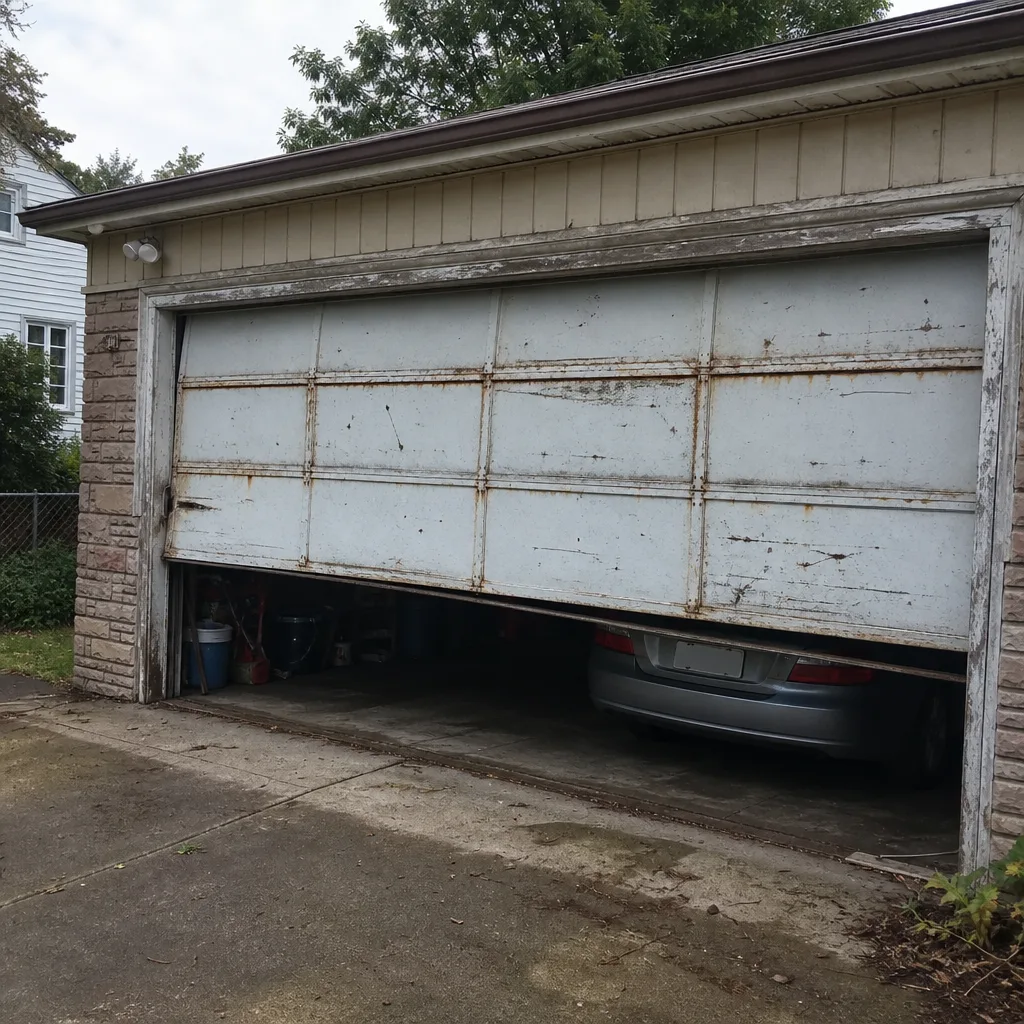 Before
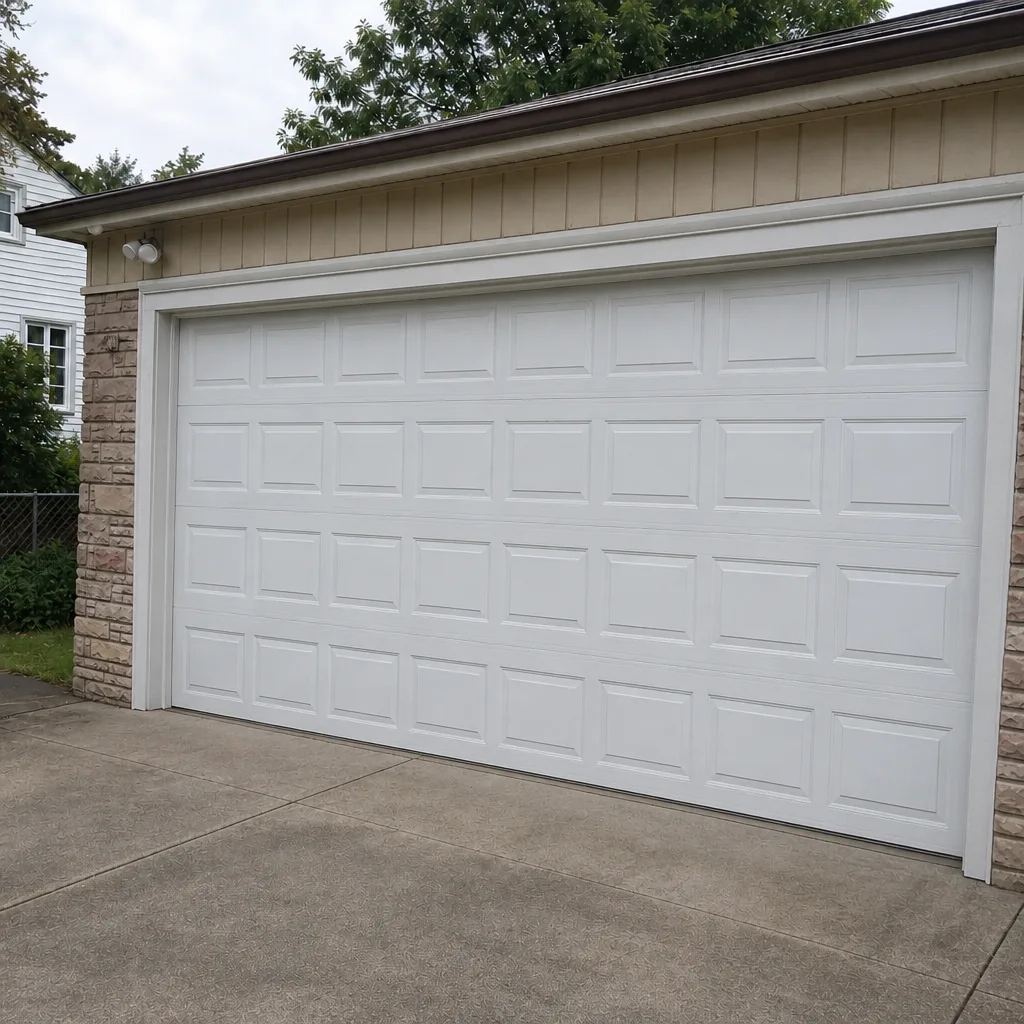 After
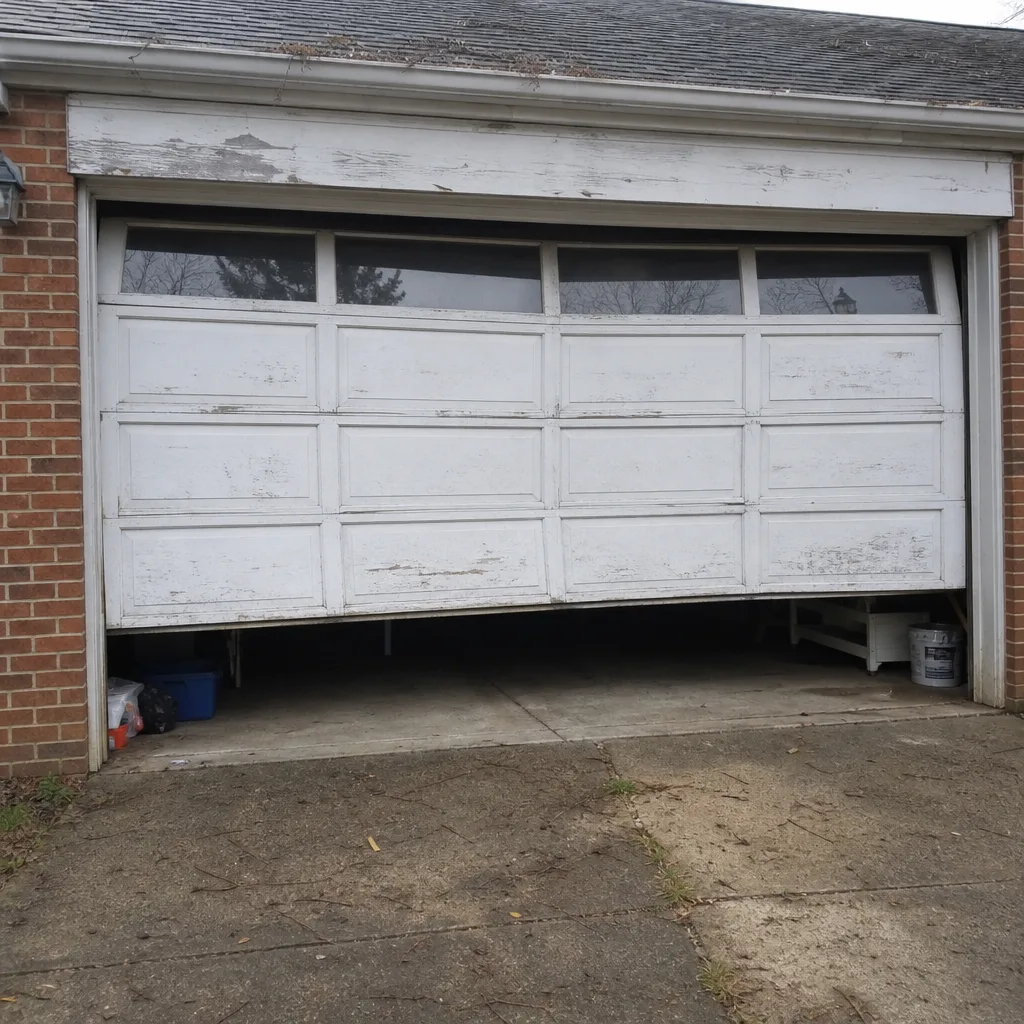 Before
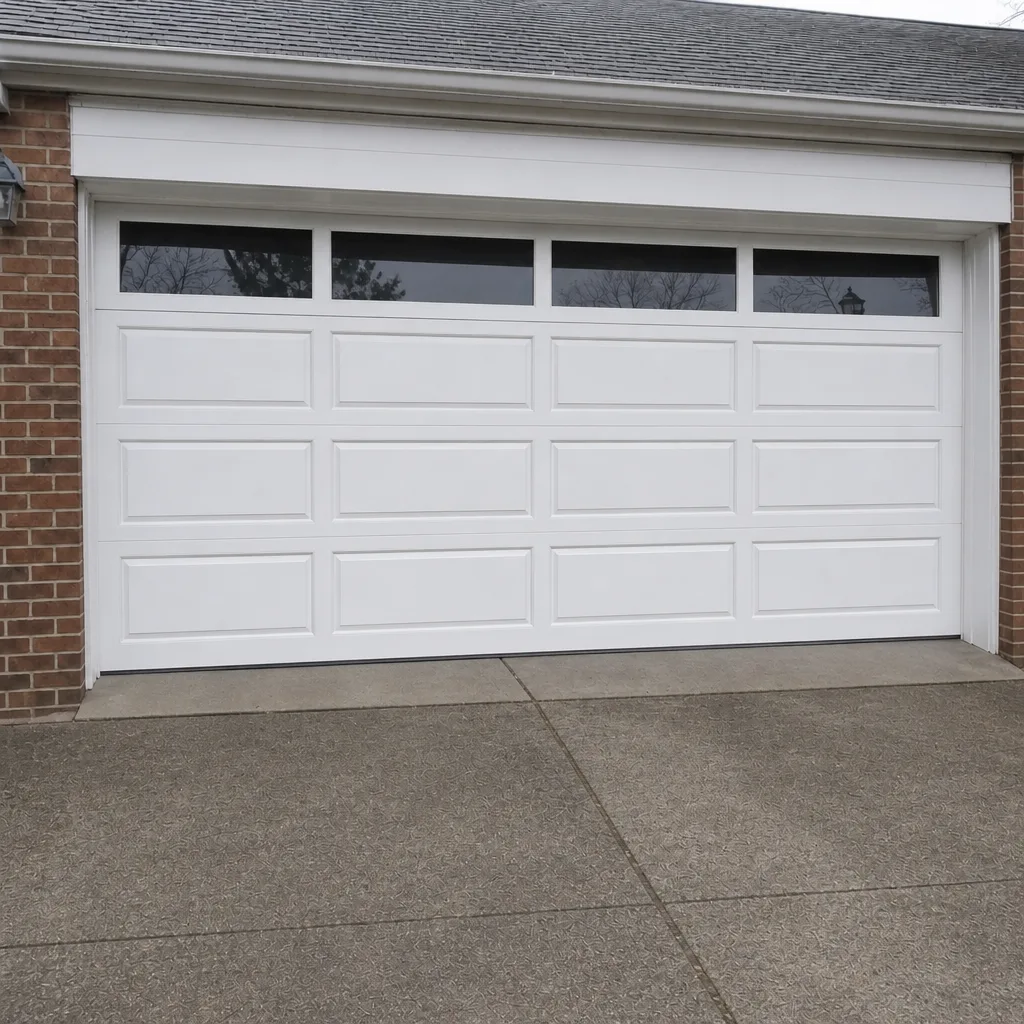 After
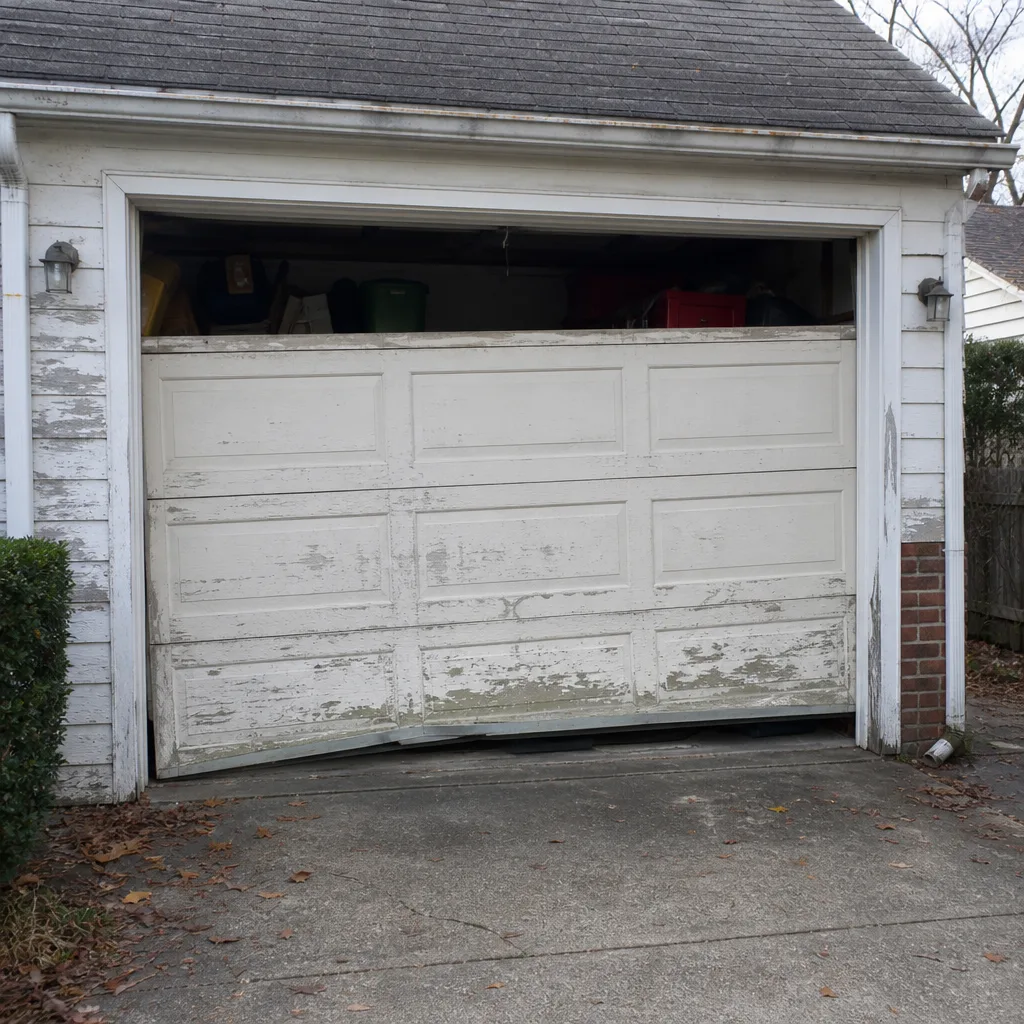 Before
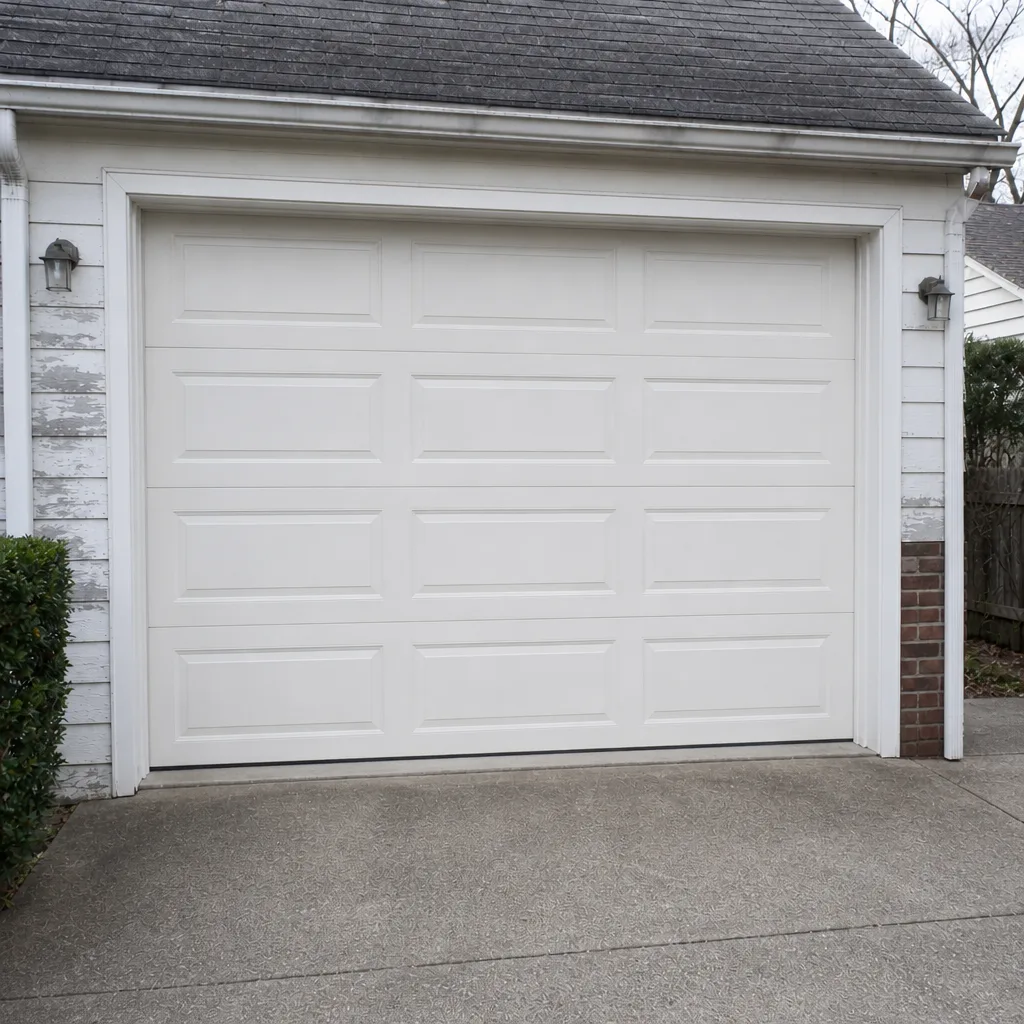 After
When to Call a Professional
If the project is a same-size door swap in an unchanged opening, most of this guide is background you don’t strictly need for the swap itself. If the project involves widening, raising, or adding an opening, or if the old opening doesn’t measure to a modern standard door, get a professional eye on it before anyone picks up a saw. The same applies to opener and spring issues: springs are the most dangerous part of a garage door and are not a homeowner repair, and high-tension springs and cables should never be handled without training. Our technicians have up to 12 years of experience, and we work on the major residential brands, including Clopay, Amarr, Wayne Dalton and Craftsman, from the door to the opener to the springs. Highland Park Garage Door Repair Co offers free estimates in Highland Park – call (844) 742-5213 to talk through your project and the permit question.
Frequently Asked Questions
In most cases, no. A same-size replacement in the same opening is treated as replacement in kind under the PA Uniform Construction Code and generally doesn’t require a permit. Confirm with the City of Pittsburgh’s building department if your project involves anything other than an identical-size swap. Call (844) 742-5213 for a free estimate if you want a straightforward read on your project’s scope.
Replacement in kind means installing the same type and size of door in the same location without changing the structure around it. No opening change, no framing change, no load change. When all of that is true, the work is typically considered ordinary repair and is exempt from permitting.
You need an engineer’s sign-off when the work changes the structural opening, meaning widening, raising, lowering, or relocating the door. The header over the opening is load-bearing, and any change to its span or bearing has to be designed rather than estimated. Your municipal building department will tell you what documentation they require for the application.
Ask your municipality directly. Most Pittsburgh-area building departments can look up permit history by address. If there’s an open permit on record that was never closed, they’ll tell you. If the work never had a permit, they’ll tell you that too, and that’s when an after-the-fact permit process starts.
A final inspection confirms the installed door matches the approved plan and that the installation is safe and complete. That covers size and location of the opening, secure opener mounting, functioning safety reverse, and satisfactory door balance. Inspectors aren’t looking at door style or brand.
No. Replacing or adding a garage door opener is a mechanical and electrical appliance hookup, not structural work. If your installation requires new wiring inside a finished wall, that wiring itself may be an electrical permit question for your electrician, separate from the door and opener.
The Bottom Line
Garage door permits in Highland Park come down to one question: is the opening staying the same or is it changing? Same opening, same size, same type, and you’re almost always fine without a permit. Widening, raising, relocating, or adding an opening, and you need a permit and usually an engineer. Replacement in kind is the legal footing that makes most swaps permit-free, and it’s what you should mention when you call your building department. If you’re facing an unpermitted project from a previous owner, start the after-the-fact process early. If you’re not sure which side of that line you’re on, get a professional opinion before you order the door. And if the question is a repair, a spring, or an opener rather than a structural change, that’s not a permit project at all, and help is quicker than you think.
Whatever your Highland Park project looks like, we’re glad to look at it, tell you plainly what’s a swap and what needs paperwork, and give you a written estimate so there are no surprises. Call (844) 742-5213 for a free estimate.
Written by the team at Highland Park Garage Door Repair Co.