Last updated November 21, 2026
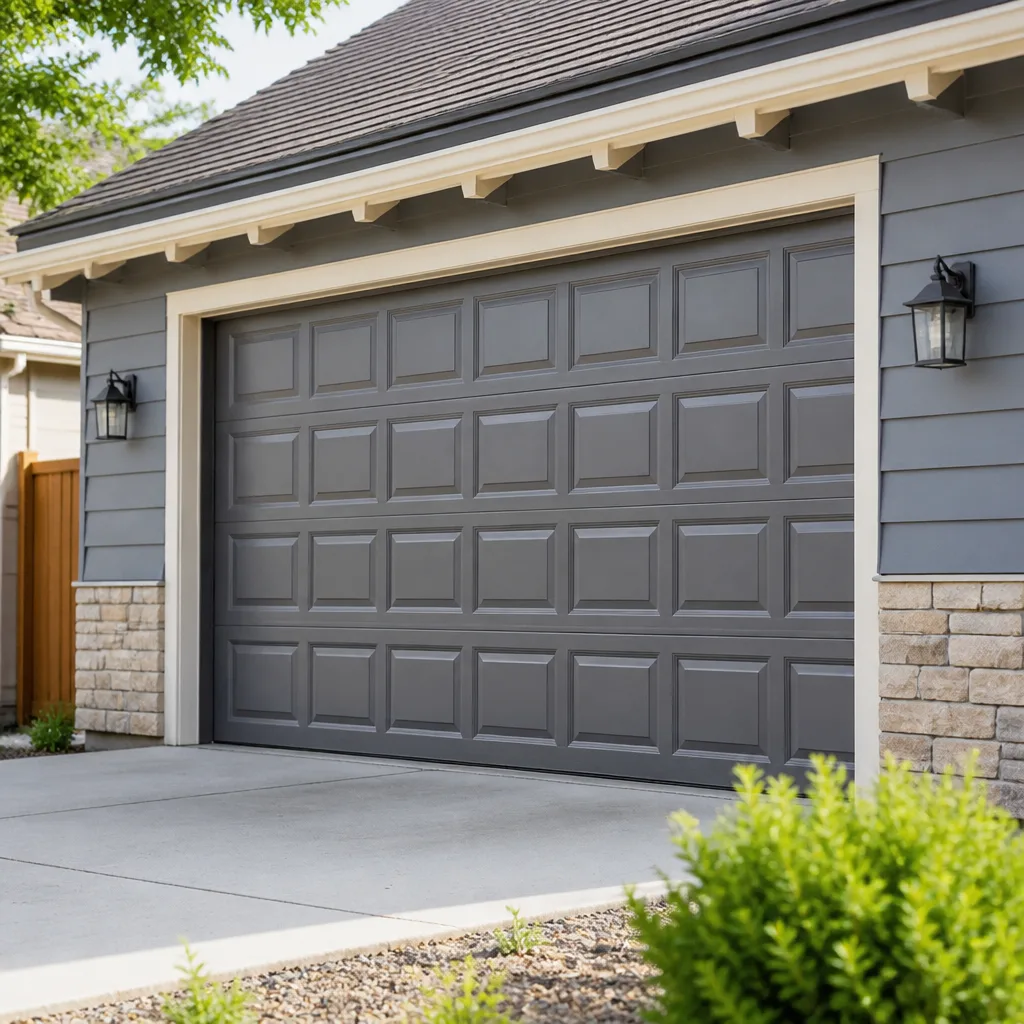 Raised-panel steel
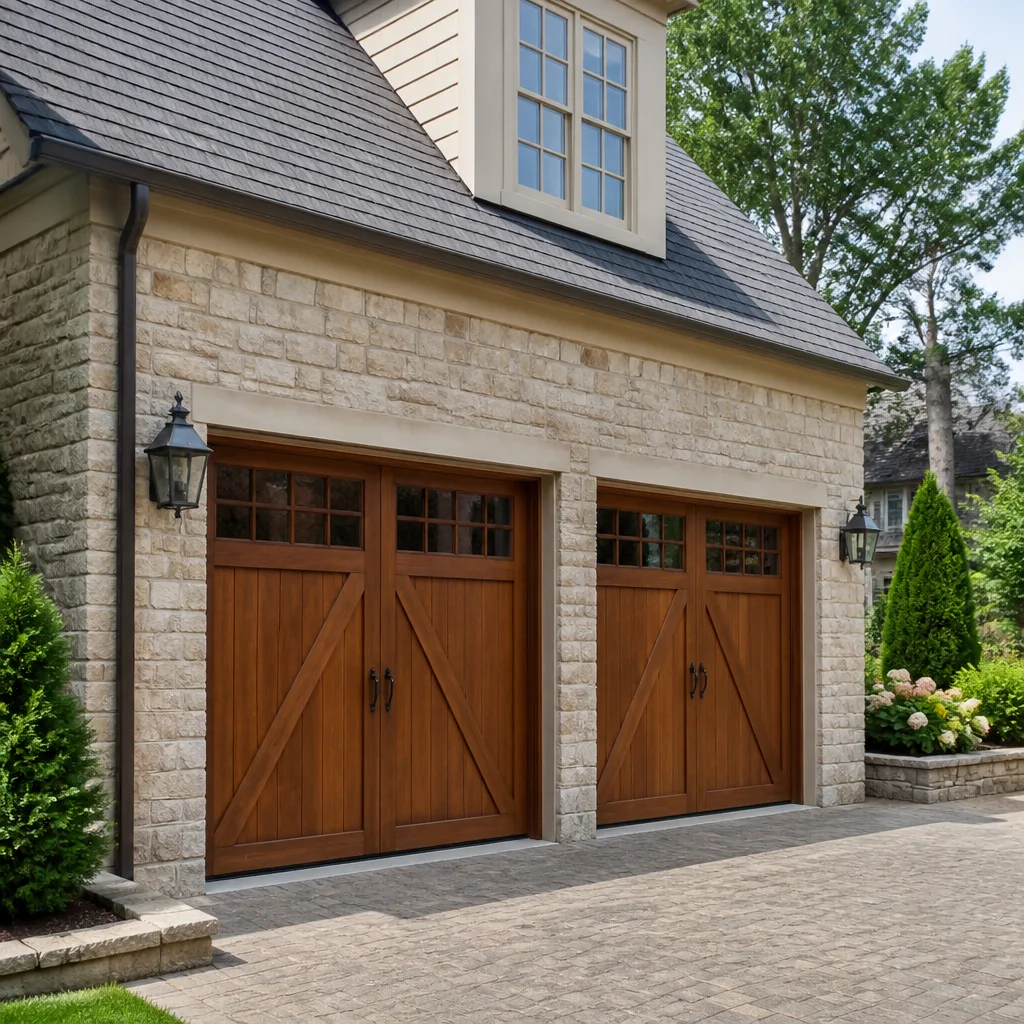 Carriage house
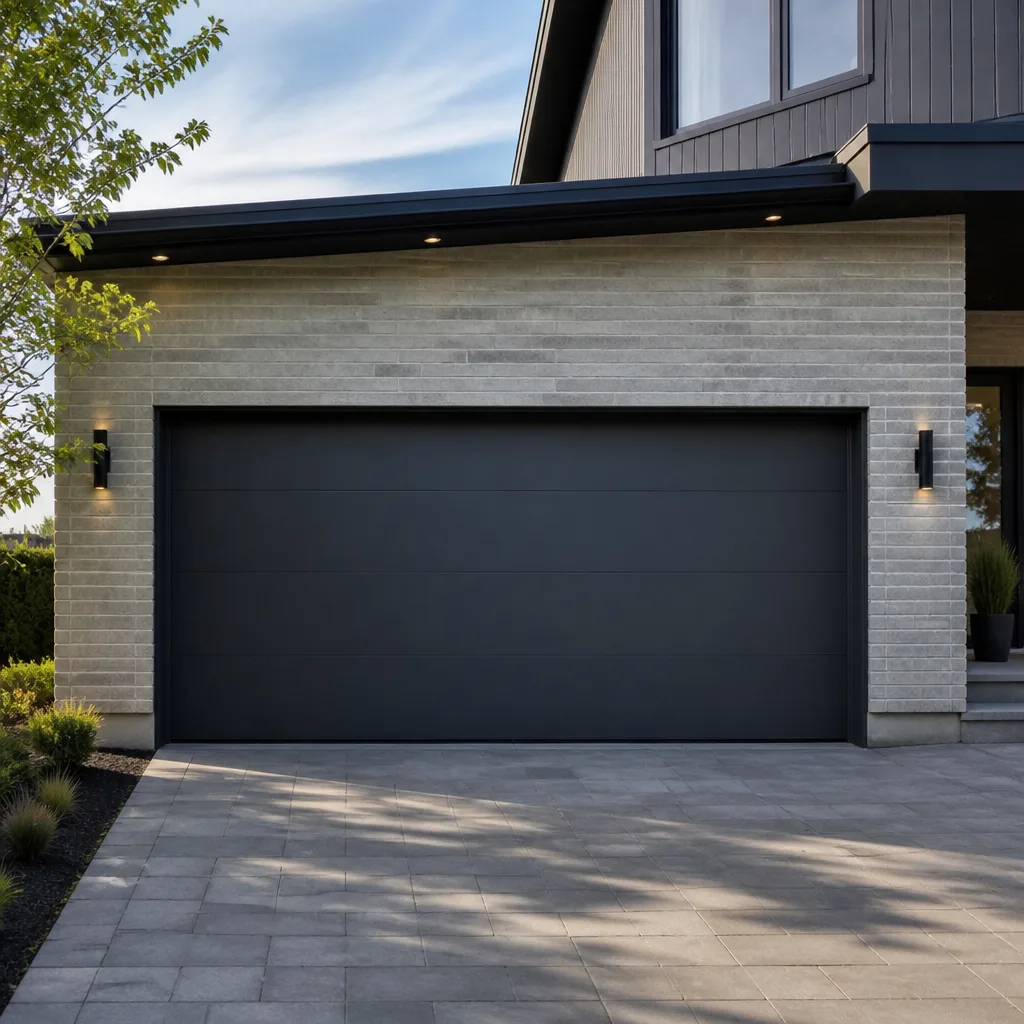 Modern flush
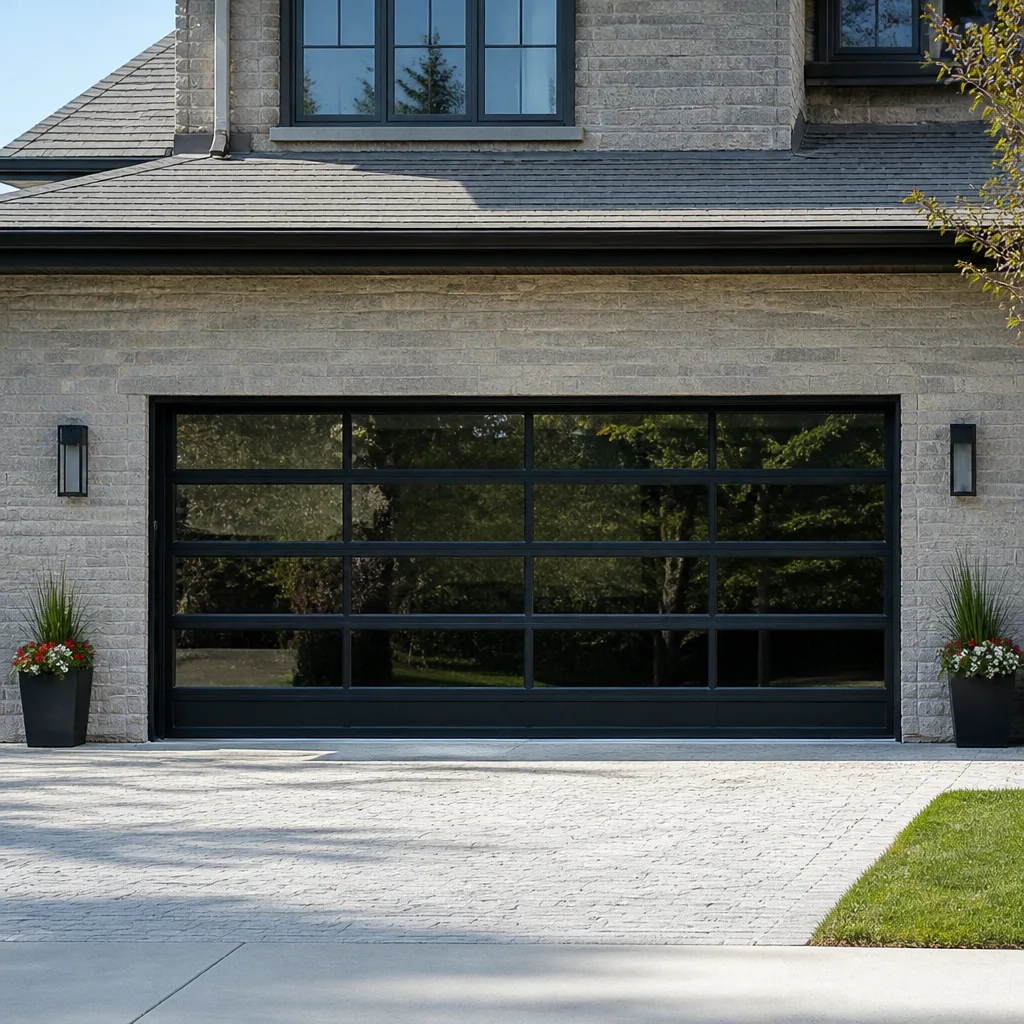 Full-view glass
 LiftMaster openers
 Chamberlain openers
Full 25-point door and opener safety check with every visit - springs, cables, rollers, tracks, and your LiftMaster or Chamberlain opener included
You get a price before we start. It does not change when the pro arrives.
Get your free estimateSeasonal Garage Door Care for Highland Park: Year-Round Homeowner’s Guide
The garage door failures that happen in January in Highland Park are almost always set up in October. The grease that hardened in the cold, the bottom seal that wasn’t replaced before the first freeze, the cable that was already fraying when temperatures dropped. Most of what goes wrong with a garage door in the dead of winter traces back to a small decision made months earlier. This guide covers all four seasons, but we’ve weighted it heavily toward fall and winter prep, because Pittsburgh’s freeze-thaw cycle does more cumulative damage to garage door hardware than spring and summer combined.
Quick Answer
Seasonal garage door care in Highland Park means preparing hardware for freeze-thaw cycles before winter arrives, switching to cold-rated lubricants as temperatures drop below 40°F, and inspecting seals, tracks and cables each fall. Summer care focuses on humidity damage to wood panels and weather stripping. The single most valuable habit is a thorough October inspection and lubrication pass, because that’s when you prevent the failures that show up in January.
Styles & brands we work with
- Raised-panel steel
- Carriage house
- Modern flush
- Full-view glass
- LiftMaster openers
- Chamberlain openers
Table of Contents
- Why Fall and Winter Prep Matters More in Highland Park
- How Freeze-Thaw Cycles Affect Concrete Floors and Bottom Seals
- Temperature Thresholds and Choosing the Right Lubricant
- The Highland Park Fall Checklist
- Winter Operations: What to Watch Monthly
- Summer Humidity and Older Highland Park Garages
- Testing Thermal Performance If You Use the Garage as Workspace
- Spring Transition and Deferred Repairs
Why Fall and Winter Prep Matters More in Highland Park
The garage doors that fail in Highland Park during January almost never fail because of a single catastrophic event. They fail because of accumulated stress from repeated freeze-thaw cycles, lubricant that stopped working when temperatures dropped, and seals that opened up and let moisture into places it shouldn’t be.
Highland Park sits in one of those Pittsburgh microclimates where the freeze-thaw line gets crossed repeatedly through the winter rather than staying frozen solid from December through March. Cold nights dip below freezing, daytime temperatures often rise back above it, and the cycle repeats. That matters for garage door hardware because every freeze-thaw cycle moves metal slightly, stresses seals, and pushes moisture into gaps that a single hard freeze wouldn’t reach.
Think about what a torsion spring goes through in a Highland Park winter. The spring is under constant tension, coiled tightly, and every time the temperature shifts, the steel contracts or expands fractionally. Multiply that by dozens of cycles over a winter and you understand why springs that seemed fine in September can snap in February. The same logic applies to cables that run over pulleys and rollers that ride in tracks. Each cycle adds wear that wouldn’t accumulate in a steady climate.
This is also why we weight our advice toward October. Everything you do in fall is a bet against January failures. A door that’s lubricated correctly, sealed well, and inspected before the cold sets in will ride through the winter without incident. A door where those things get skipped will usually survive, but it’s the door that’s running on borrowed time. When it does fail, it’s usually on the coldest morning of the year, right when you need to leave.
How Freeze-Thaw Cycles Affect Concrete Floors and Bottom Seals
Concrete garage floors in Highland Park take a beating from freeze-thaw, and the damage cascades to your bottom seal. Here’s the sequence: water seeps into hairline cracks in the slab, freezes overnight, expands, and widens the crack. During the day the ice melts and drains further into the crack. Repeat that dozens of times over a Pittsburgh winter and what started as a cosmetic crack becomes a spalled, uneven surface.
That matters for your door because the bottom seal sits on that surface. An uneven floor means the seal can’t form a tight barrier. It gaps at low spots, wears unevenly against the high spots, and lets cold air, moisture, and small pests under the door. Once the seal starts to fail, it accelerates: the worn sections let in more water, which freezes and stresses the concrete further.
What to check each fall:
- Walk the length of the bottom seal and look for daylight underneath. If you can see light from inside with the door closed, the seal is compromised.
- Press the seal with your thumb. It should feel flexible and springy. A seal that feels hard or brittle has lost its ability to conform to the floor.
- Inspect the slab for new cracks or spalling, especially near the door threshold where water collects.
- Check for standing water inside the garage after a rain. Pooling water at the threshold means water is finding its way in and will freeze when temperatures drop.
- Look at the bottom edge of the door panel itself. Water sitting against the panel edge rusts or rots the bottom section, and that’s an expensive repair compared to a new seal.
Replacing a bottom seal is one of the cheaper garage door repairs you’ll ever make, and it’s the single best defense against freeze-thaw damage at the threshold. Our technicians handle seal replacement as part of standard garage door repair, and we can evaluate whether your slab is contributing to seal wear.
Temperature Thresholds and Choosing the Right Lubricant
Most garage door lubricants sold for homeowner use are formulated for temperatures down to roughly 40°F. Below that, standard petroleum-based greases start to thicken noticeably. By the time temperatures drop to 20°F, a lubricant that felt smooth in September can feel like cold honey, and it stops doing its job. The rollers drag instead of rolling, the hinges resist movement, and the opener works harder on every cycle.
The thresholds that matter:
- Above 60°F: Standard white lithium grease or a general-purpose garage door lubricant works fine.
- 40°F to 60°F: Standard lubricants begin to stiffen slightly. Performance is still acceptable but not ideal.
- 20°F to 40°F: Standard grease becomes noticeably thick. Rollers and hinges may bind. The opener motor works harder.
- Below 20°F: Standard grease may be too stiff to provide effective lubrication. Choose a cold-rated synthetic lubricant or a silicone-based spray designed for low-temperature use.
In Highland Park, a door lubricated in October with standard grease will often still be fine through December. The problems usually emerge in January and February, when temperatures consistently dip into the teens and twenties. The answer is to switch to a cold-rated lubricant before the first hard freeze, not after you notice the door struggling.
Silicone-based sprays and synthetic lubricants rated for low temperatures maintain their viscosity better in cold conditions. They’re typically applied to the same points: rollers, hinges, the torsion spring coils, and the track itself (a light coat, not a heavy spray). We recommend a full lubrication pass in October using a cold-rated product and a spot-check in December.
The Highland Park Fall Checklist
A generic fall garage door checklist for a northern state doesn’t fit Highland Park, because freeze-thaw cycles are the dominant local factor. Here’s the checklist we’d give a Highland Park homeowner, in priority order:
- Switch to cold-rated lubricant. Lubricate all rollers, hinges, the spring coils, and the track with a product rated for below-freezing temperatures. Do this in October while temperatures are still mild.
- Inspect and replace the bottom seal if needed. Check for daylight underneath, brittleness, and wear. A compromised seal lets freeze-thaw moisture into the garage.
- Test the door balance. Disconnect the opener and lift the door halfway. It should stay in place. If it drops or lifts easily, the springs need attention. Never adjust springs yourself; call a professional.
- Check the cables visually. Look for fraying, kinks, or rust. Cables under tension are dangerous and should only be handled by trained technicians.
- Clean and inspect tracks. Remove debris and check that tracks are straight and secure. Cold-weather operation is less forgiving of misalignment.
- Look at the weatherstripping around the door frame. Check for cracking, gaps, or sections that have pulled loose. Replace before freeze-thaw widens the gaps.
- Test the opener’s safety reverse. Place a 2×4 flat on the ground under the door and close it. The door should reverse upon contact. Also test the photo-eye sensors by waving an object in front of them.
- Schedule a professional inspection if you’re not confident. A technician can catch cable wear, spring fatigue, and track misalignment that aren’t obvious to a homeowner.
This checklist takes an afternoon and costs very little. It’s the single best investment you can make in your garage door’s winter performance. Our team services Chamberlain and Genie openers across Highland Park, and we’re happy to run through this checklist with you if you want a professional eye on it.
Winter Operations: What to Watch Monthly
Once the cold settles in, your garage door care shifts from preparation to monitoring. Here’s what to check monthly through the winter in Highland Park:
- Listen for new sounds. A door that operated smoothly in November should still be smooth in January. Grinding, squeaking, or an uneven rhythm means something has shifted.
- Watch the opener’s behavior. If the opener struggles to lift the door or reverses unexpectedly, cold-thickened lubricant or a spring that’s weakening could be the cause. Don’t ignore it.
- Check for ice build-up at the threshold. Ice that forms at the bottom of the door can break the seal when the door opens. Clear it gently.
- Look for daylight under the door. A seal that was fine in October can shrink or crack by mid-winter. Recheck it after the first deep freeze.
- Test the manual release. Make sure the emergency release rope works. If the opener fails in cold weather, you’ll need to operate the door manually until repairs are made.
Winter is also when we get most of our emergency calls in Highland Park. Broken springs, snapped cables, and opener failures tend to cluster in January and February. If your door stops working, call us. We’re open Sunday through Friday, 7am to 7pm, and we’re closed on Saturday, but we can book you for Sunday if a door fails on Saturday.
Summer Humidity and Older Highland Park Garages
Highland Park has a lot of older housing stock, and older garages tend to have less insulation, more gaps around the door frame, and wood components that have been exposed to Pittsburgh humidity for decades. Summer is when that humidity does its damage.
Wood garage door panels absorb moisture in humid weather. They swell slightly, and when the humidity drops they shrink back. Over years, that cycle cracks paint, opens joints, and eventually rots the bottom sections of panels where water pools. If you have a wood door (Clopay and Amarr both make wood and wood-composite doors), summer is the season to inspect paint, caulk, and sealer.
Weatherstripping takes a similar beating. The flexible vinyl or rubber strips around the door frame can dry out, crack, or pull loose in summer heat. Once they lose their flexibility, they don’t seal well when cold weather returns.
What to check in summer:
- Wood panel paint and caulk: look for cracked, peeling, or missing paint, especially at the bottom of the door.
- Weatherstripping flexibility: press it and check that it springs back. If it feels hard or crumbles, replace it.
- Door frame joints: check for gaps where water can enter.
- Hardware corrosion: summer humidity accelerates rust on hinges, rollers, and springs, especially on older doors.
Summer’s other job is basic maintenance. Clean the tracks, check that bolts are tight, and address any small issues before they become autumn problems. If you’re not sure of your door’s condition, an inspection before the fall prep season is a good idea.
Testing Thermal Performance If You Use the Garage as Workspace
If you use your garage as a workshop, home gym, or hobby space in winter, thermal performance matters more than for a homeowner who just parks there. Here’s how to test whether your door is holding heat:
- The paper test. Close the door on a piece of paper placed at several points along the bottom. If the paper pulls out easily, there’s a gap.
- The candle test (carefully). On a cold, calm day, hold a lit candle near the edges of the closed door. If the flame flutters, air is leaking through. (Never leave a candle unattended, and never use this test near anything flammable.)
- The infrared thermometer test. Point an infrared thermometer at the inside of the door panel and at the frame. Significant temperature differences between the door and frame indicate where heat is escaping.
- Feel for cold spots. On a cold day, run your hand slowly around the perimeter of the closed door. If you feel cold air moving at specific points, those are the leaks.
If your door fails these tests, the fix is usually straightforward: new weatherstripping, a new bottom seal, or both. For doors that are fundamentally under-insulated, a door replacement may be worth considering. If you’re weighing that option, our garage door installation service covers the full range of insulated residential doors, and we’ll give you a straight assessment of whether replacement makes sense or whether sealing the existing door will do the job.
Spring Transition and Deferred Repairs
Spring in Highland Park is when you find out what winter did. Doors that ran fine through the cold often reveal issues once temperatures warm up: springs that lost tension during the winter, cables that stretched, seals that cracked during freeze-thaw.
Spring is also when it’s safe to do maintenance that’s better avoided in freezing temperatures, like cleaning the tracks thoroughly, lubricating with a standard product (if you prefer it over cold-rated), and repainting wood components.
The thing we’d caution against is deferring winter repairs into spring. A door that was struggling in January doesn’t get better just because the weather changed. Springs don’t regain tension, cables don’t re-weave themselves, and seals that cracked during freeze-thaw don’t magically reseal. If you put off a repair because you were busy or the weather was bad, get it done once spring arrives. Those problems tend to compound.
Spring is also a good time to talk about whether your opener is due for service. Openers on Chamberlain and Genie systems have a lifespan, and if your opener was cycling harder than usual all winter because of stiff lubricant or a weakening spring, it may have taken extra wear. Our garage door opener repair team can evaluate the opener’s condition after a hard winter.
Common Mistakes to Avoid
- Lubricating in October with standard grease. This is the most common mistake we see in Highland Park. Standard grease works fine in mild weather but thickens below 40°F. Switch to a cold-rated product before winter.
- Ignoring the bottom seal until it fails completely. A slightly worn seal lets in moisture that damages the concrete floor and the bottom of the door panel. Replace it while it’s still a cheap repair.
- Assuming a door that worked last winter will work this winter. Springs weaken gradually, cables stretch gradually, and lubricant degrades gradually. A door that worked in January 2024 has another year of wear on it by January 2025.
- Trying to adjust springs or cables yourself. These components are under substantial tension and can cause serious injury. Spring and cable work should always be done by a trained technician.
- Deferring winter repairs to spring. A struggling door doesn’t fix itself. Spring arrives with the same problems, usually worse.
- Skipping the summer inspection on wood doors. Pittsburgh humidity cracks paint and rots wood over time. A little attention in July prevents a bigger repair in October.
- Not testing the opener’s safety reverse. This is a safety feature that deserves a test every season. If it decouples or fails, it needs to be addressed.
See the difference
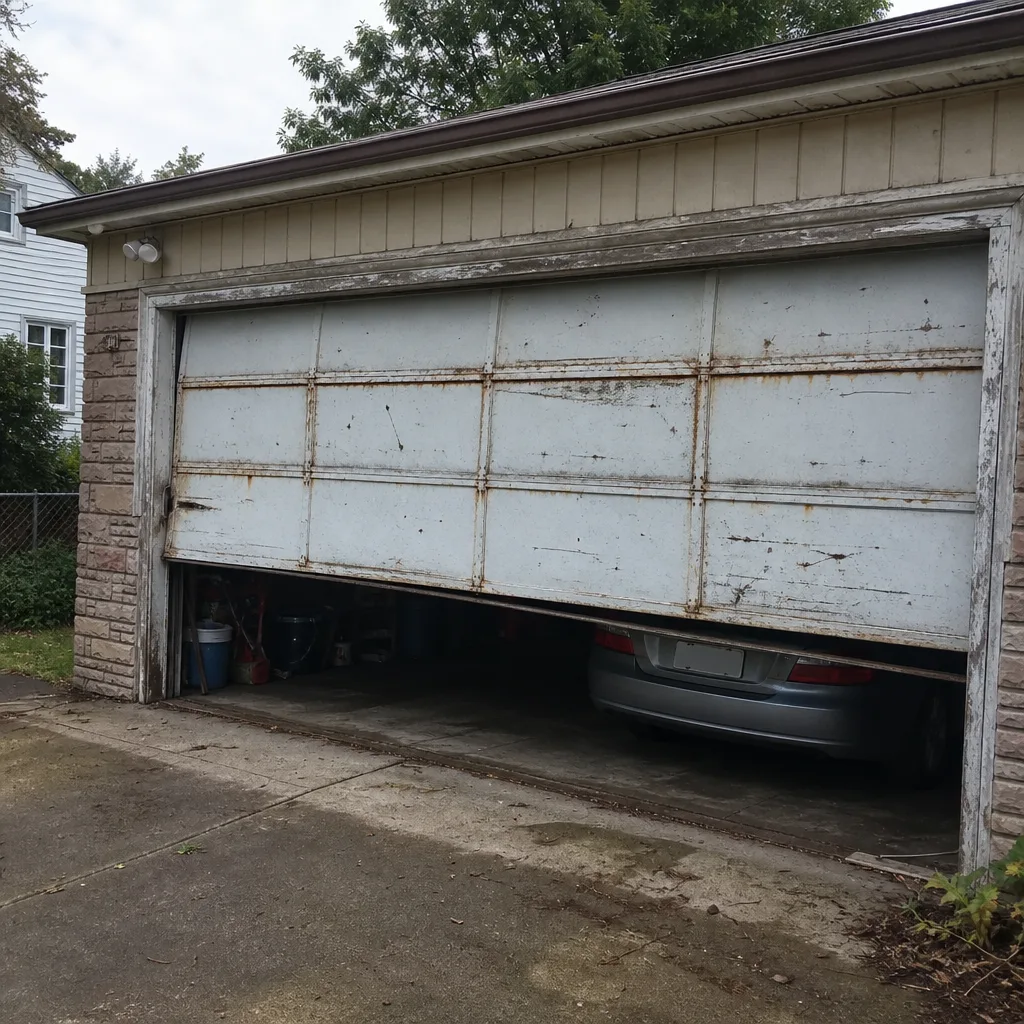 Before
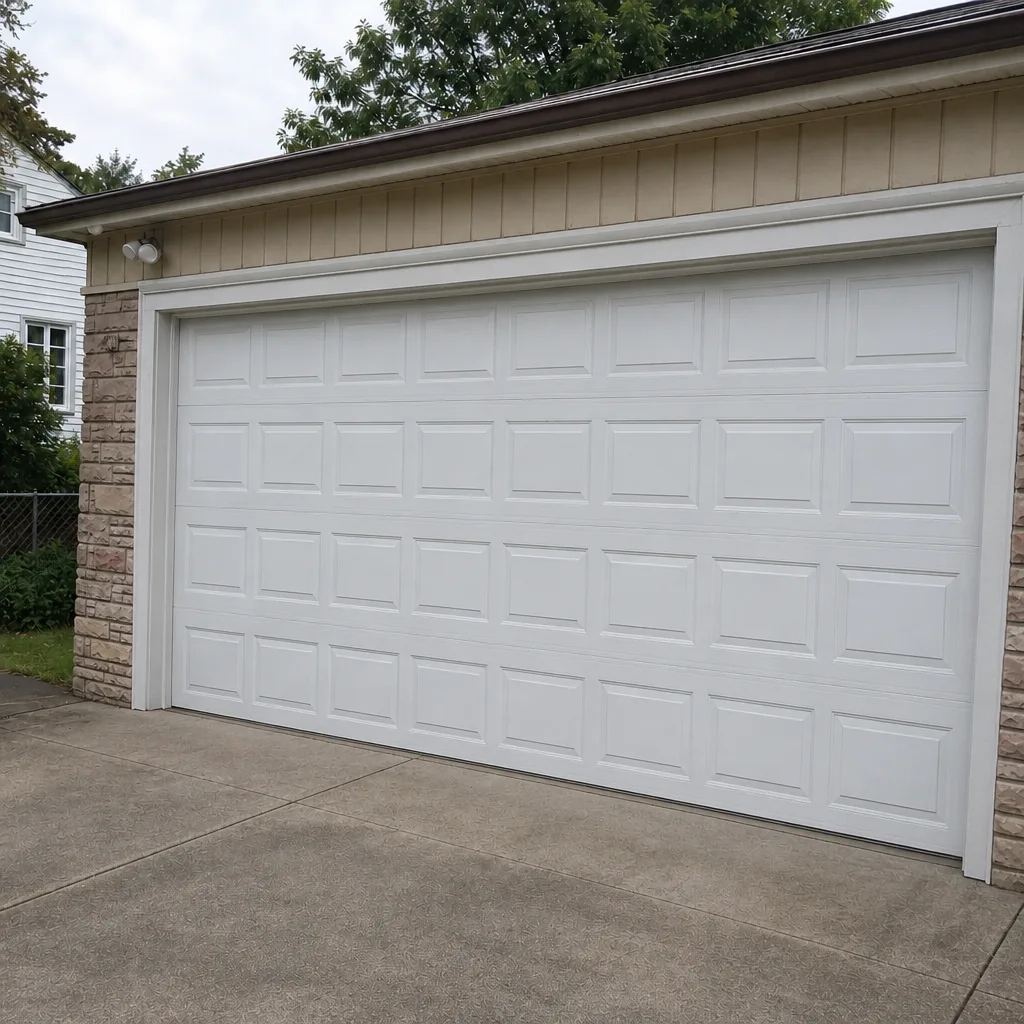 After
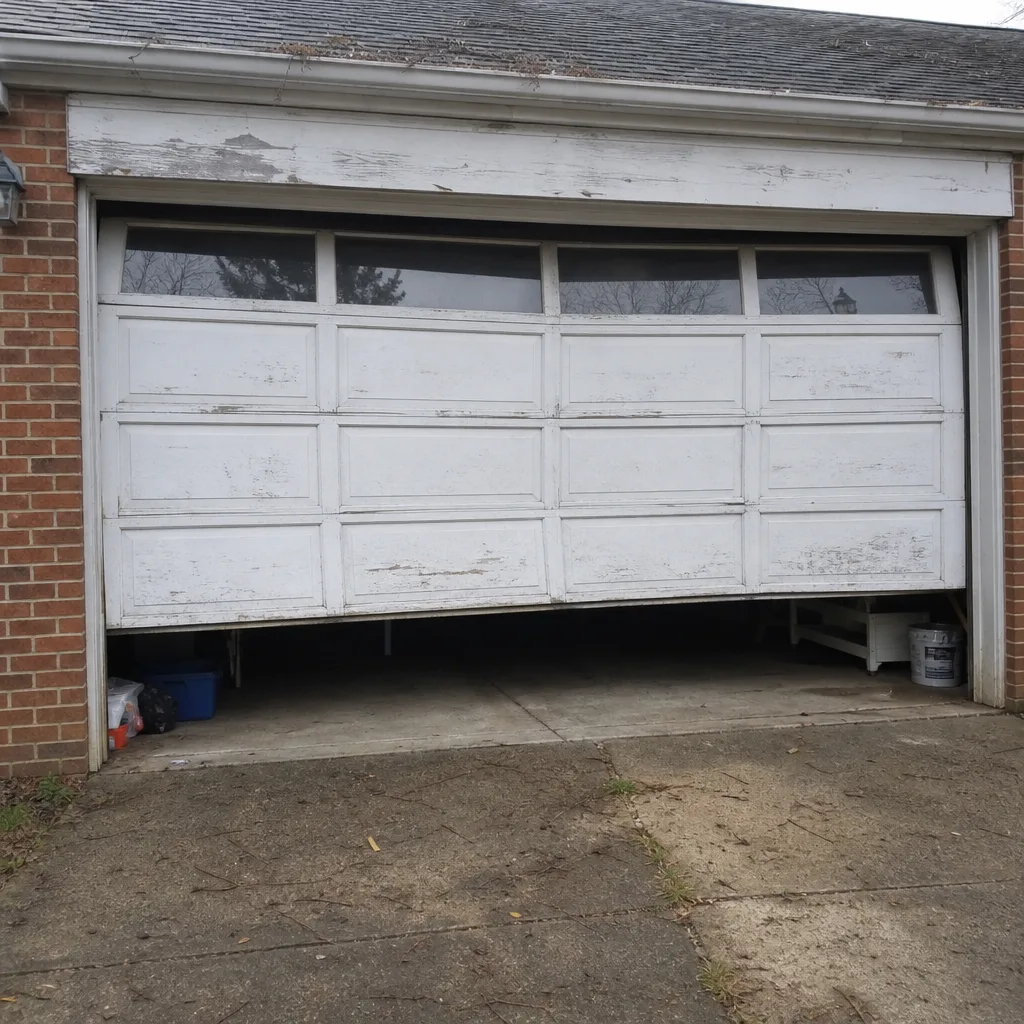 Before
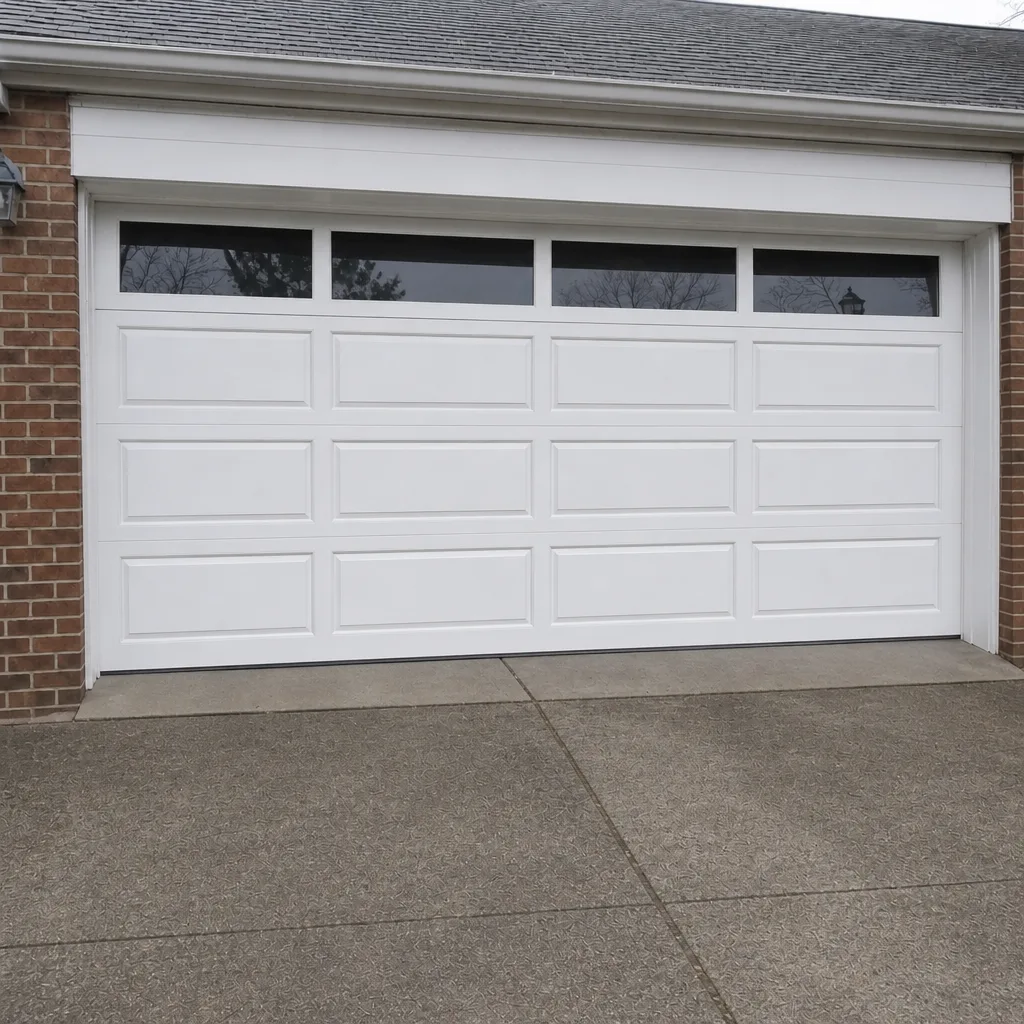 After
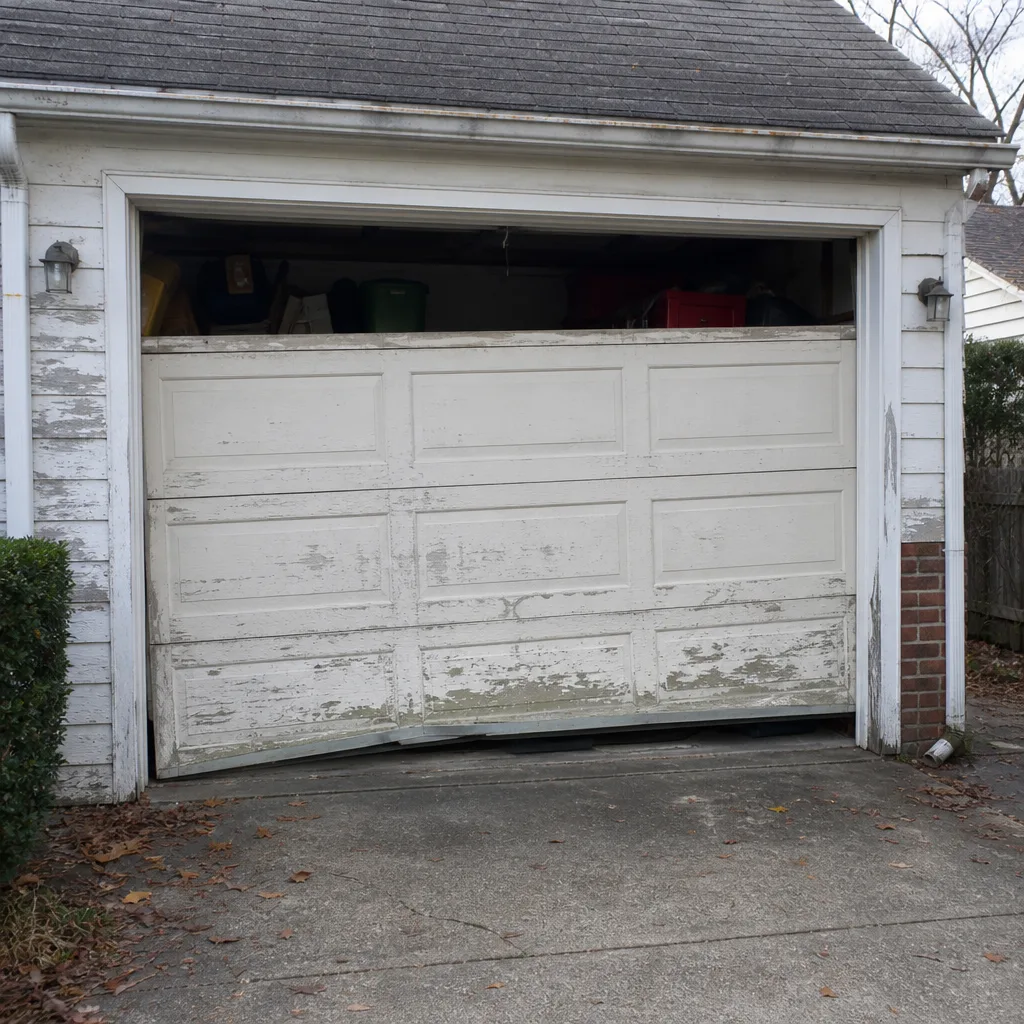 Before
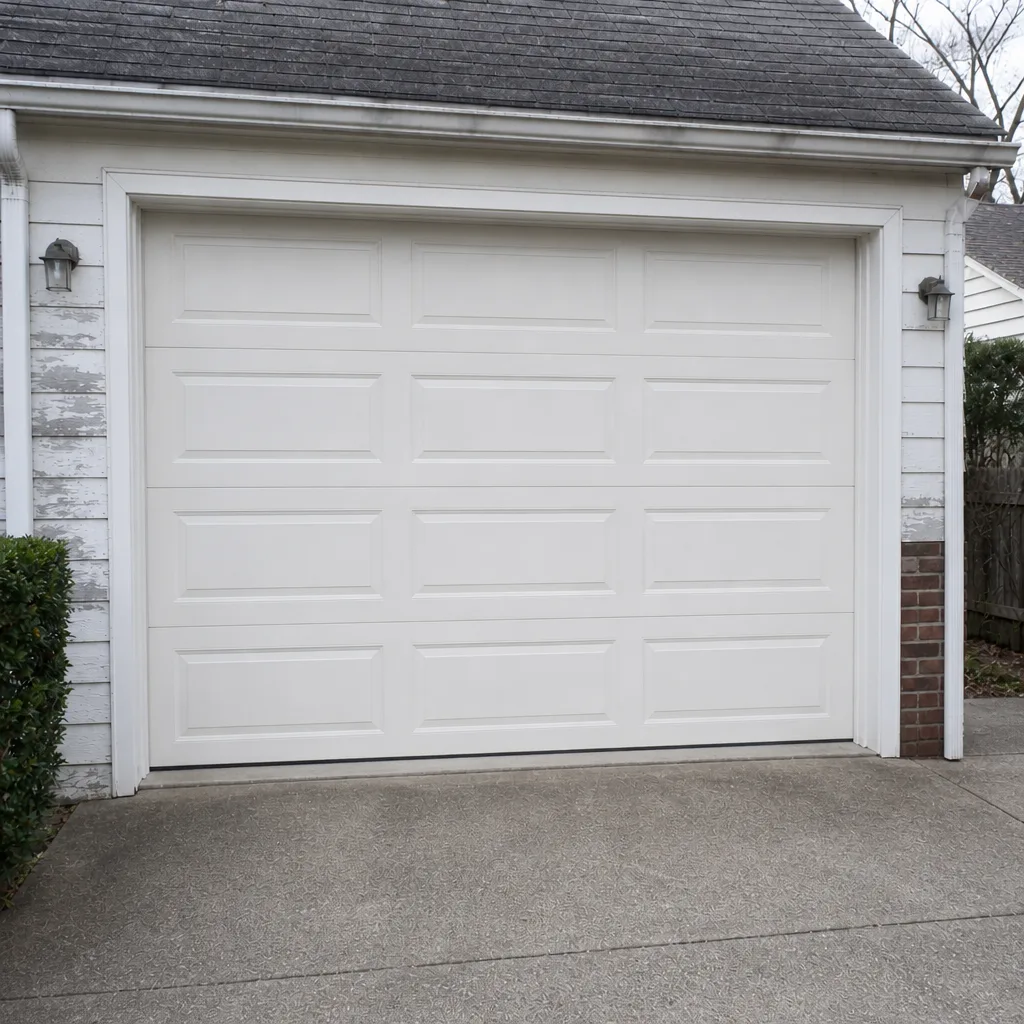 After
When to Call a Professional
Some garage door work is right for a homeowner with basic tools: lubrication, visual inspections, cleaning tracks, and replacing weatherstripping. Other work should always go to a trained technician: spring adjustments or replacement, cable replacement, opener electrical work, and any repair where the door is under tension or the opener is behaving unpredictably.
The specific scenarios where we’d recommend calling a professional in Highland Park: any garage door that won’t open or close, any grinding or popping sound that’s new, a door that feels heavier than usual to lift manually, an opener that reverses unexpectedly or runs but doesn’t lift the door, and visible cable fraying or spring damage. Our technicians have up to 12 years of experience, and we can work with your schedule. Highland Park Garage Door Repair Co offers free estimates in Highland Park. Call (844) 742-5213.
Frequently Asked Questions
Lubricate your garage door at least twice a year: once in fall before winter and once in spring. Highland Park’s freeze-thaw winters mean the fall lubrication is more important. Use a cold-rated product in fall and check for stiffness through the winter.
Switch to a cold-rated lubricant before temperatures drop below 40°F consistently. Standard grease thickens below that threshold and stops working by 20°F. A cold-rated synthetic or silicone-based spray is the right choice for Highland Park winters.
Yes, bottom seal replacement is a homeowner-friendly job if the door is in good condition. The seal slides out of the track on the bottom panel and a new one slides in. If the door is showing signs of other wear, have a technician inspect it at the same time.
The main signs are: the door feels heavier to lift manually, the door lifts easily and drops when you disconnect the opener and test balance, or you notice visible gaps in the spring coils. Springs are under high tension and should only be replaced by a technician.
You can, but you’ll want to check thermal performance first. If you feel cold air at the door edges, add weatherstripping and a bottom seal. For a door that’s too under-insulated, an insulated door replacement is the better long-term solution.
Yes. Our team at Highland Park Garage Door Repair Co works with state-licensed, insured and bonded local professionals. They have up to 12 years of experience. Call (844) 742-5213 for a free estimate.
The Bottom Line
In Highland Park, garage door care is weighted toward the fall. October prep sets up your door for winter survival. The two priorities are switching to cold-rated lubricant before 40°F and replacing any compromised bottom seal before freeze-thaw season. Add a professional inspection if you’re not confident, and you’ll enter January with a door that operates smoothly on the coldest morning of the year. Summer care is quieter but still worth doing on wood doors and older garages. Spring is when you catch what winter did. Do all three seasons well and your door will last longer, operate smoother, and cost you less over time.
Written by the team at Highland Park Garage Door Repair Co.