Last updated November 21, 2026
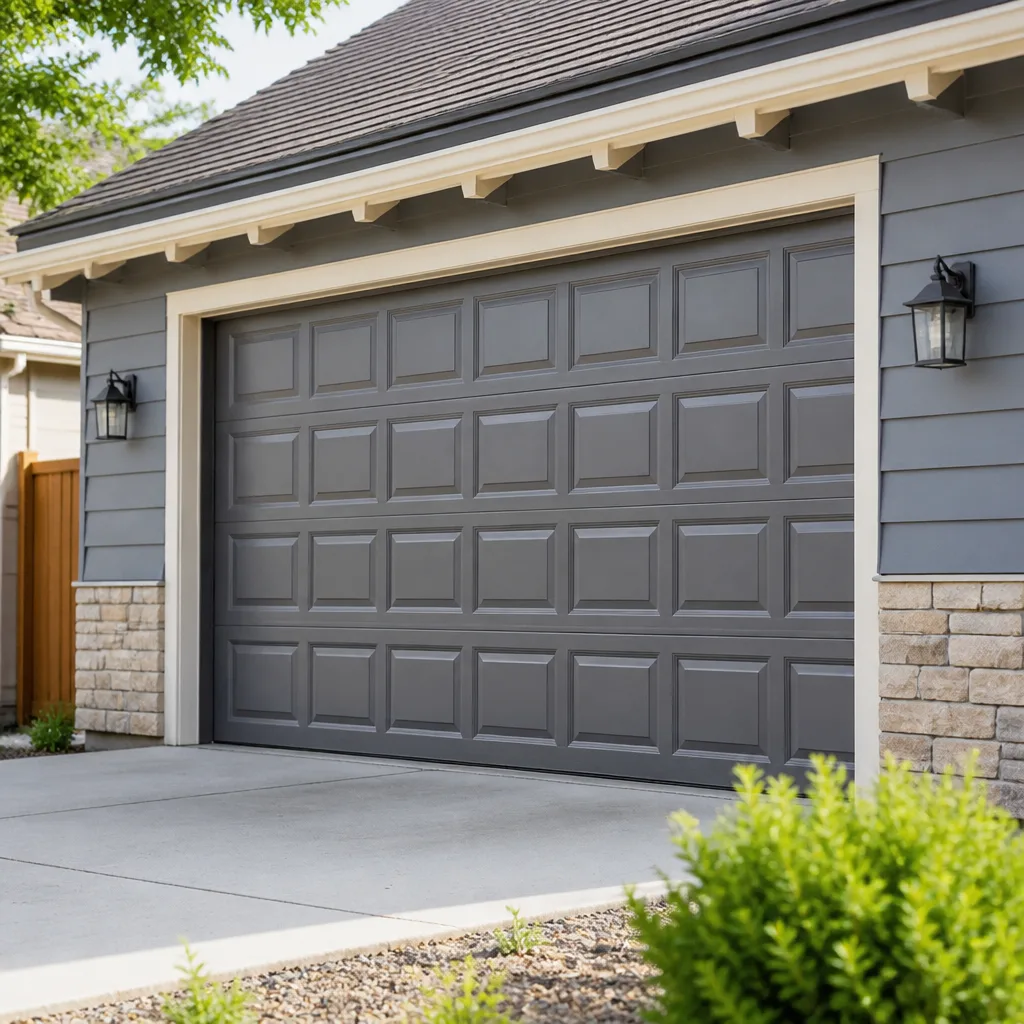 Raised-panel steel
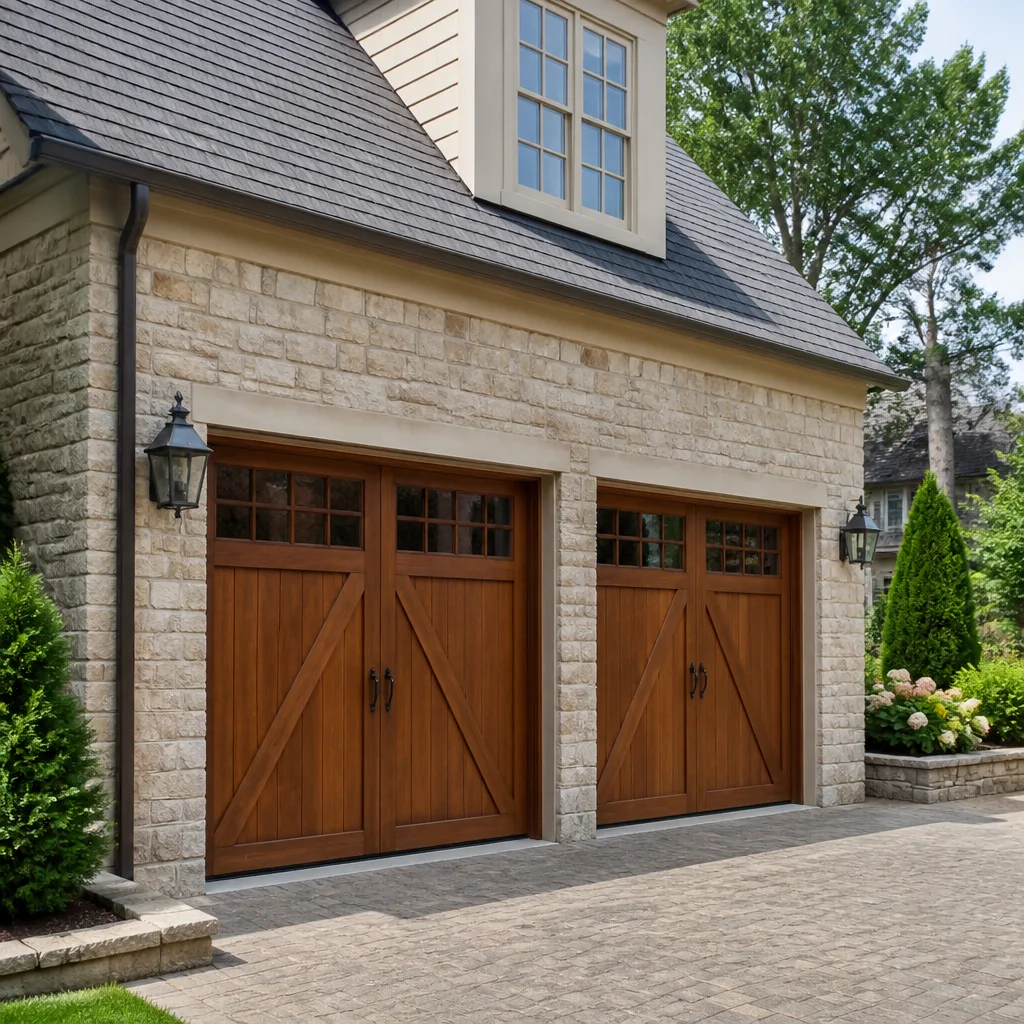 Carriage house
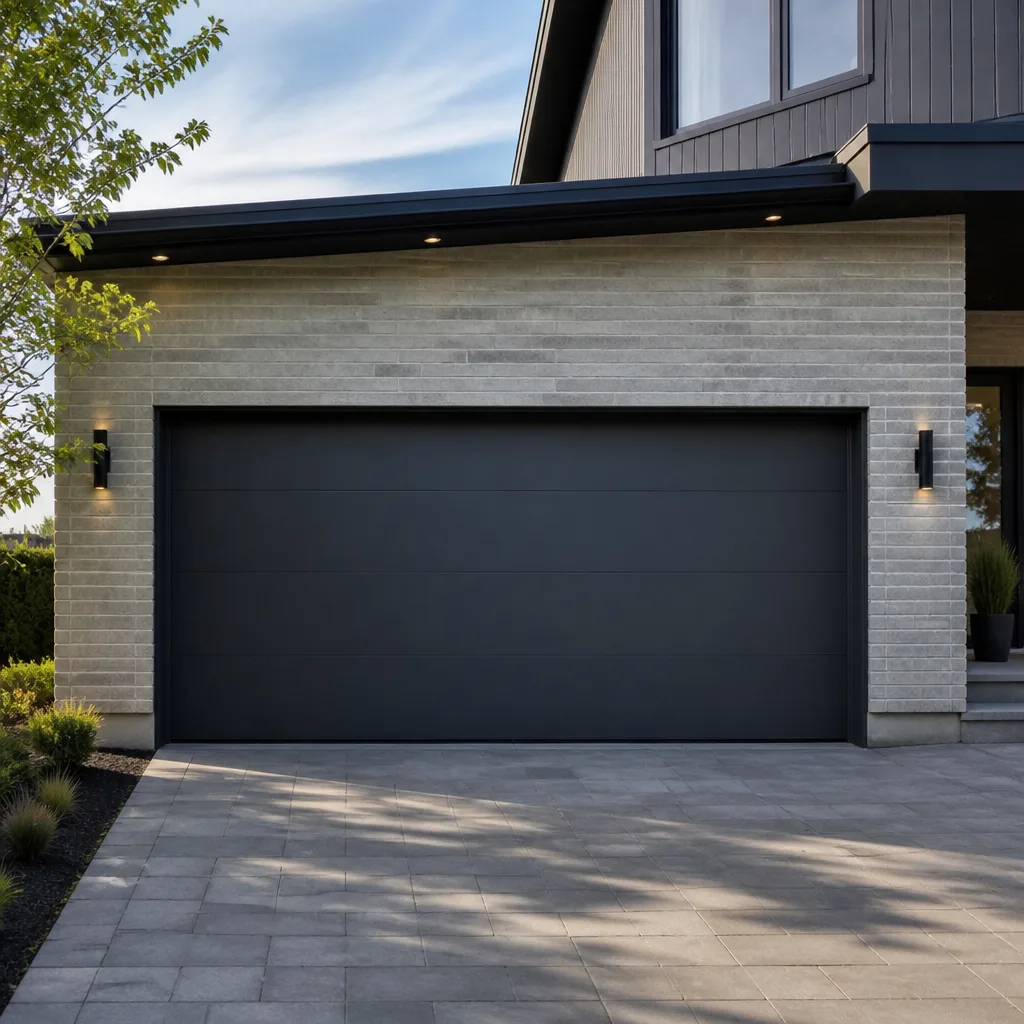 Modern flush
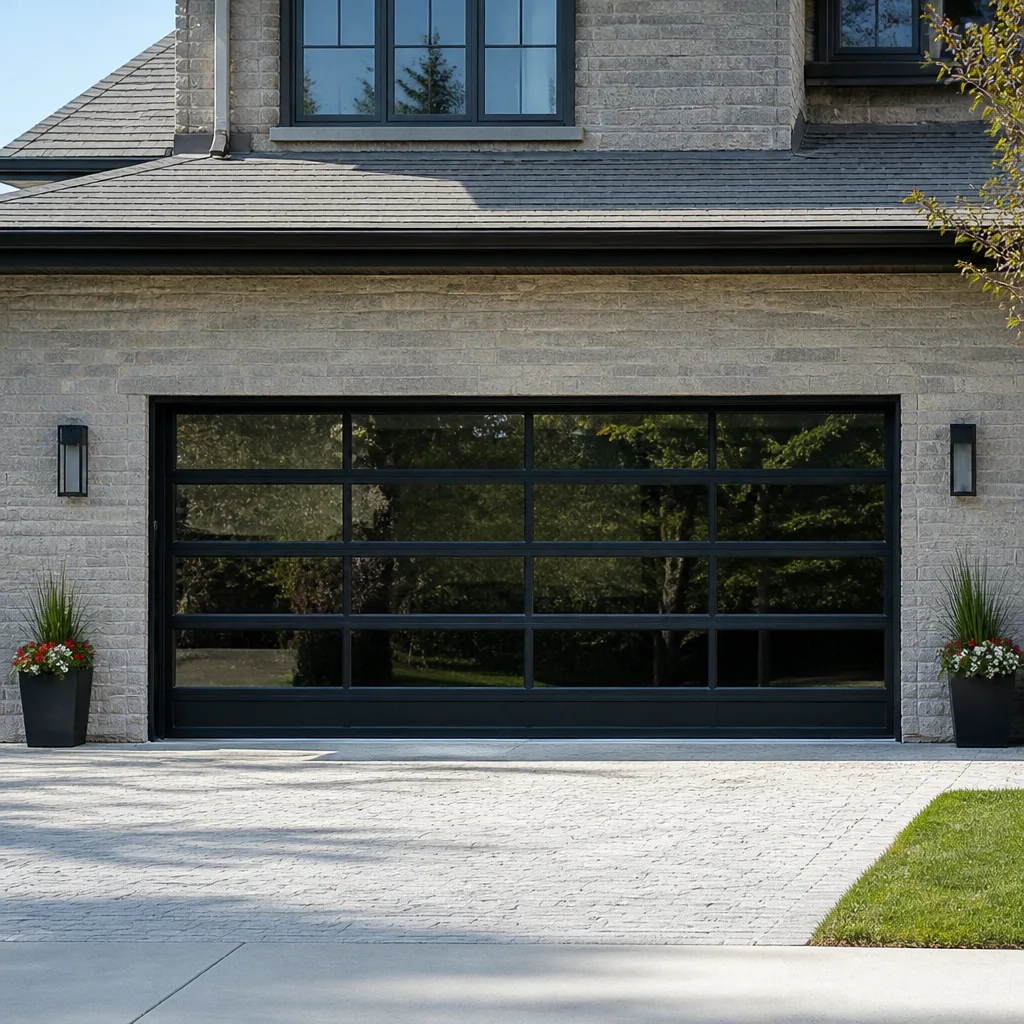 Full-view glass
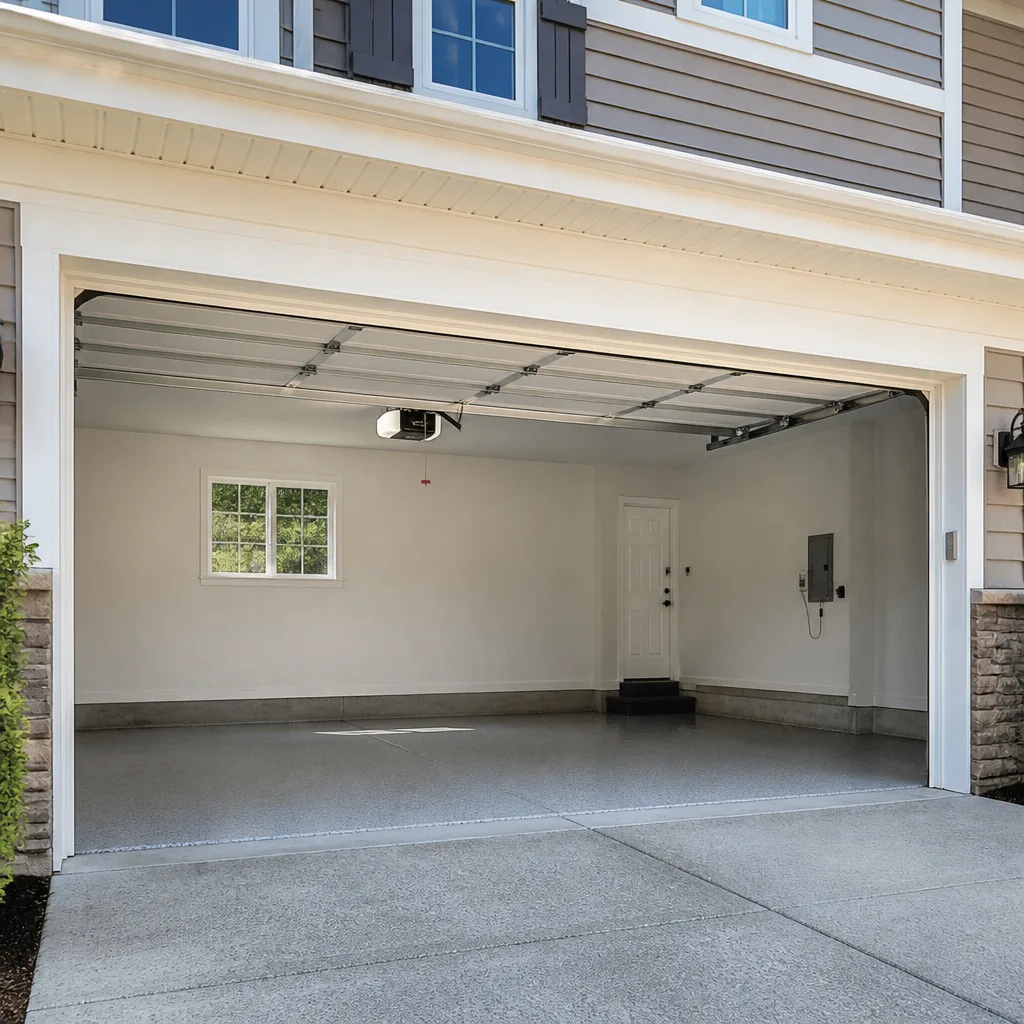 LiftMaster openers
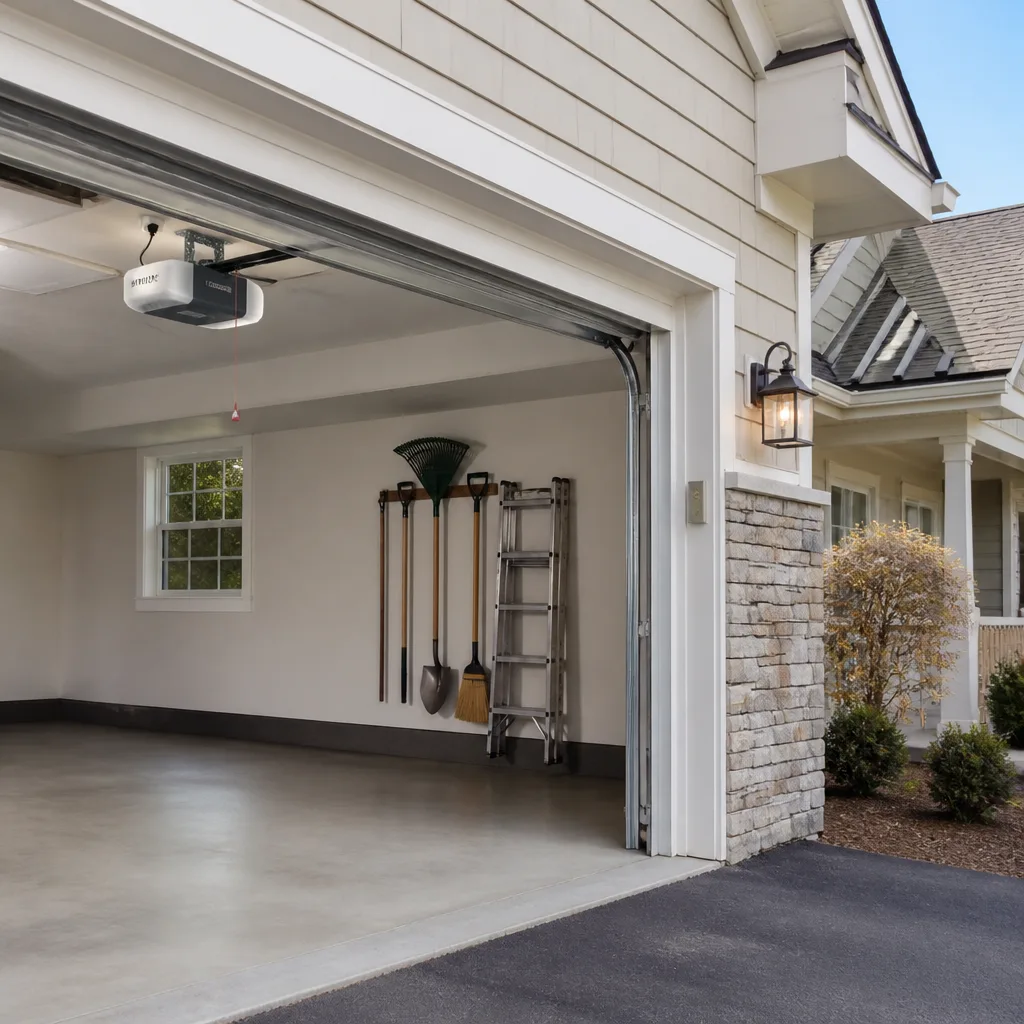 Chamberlain openers
Full 25-point door and opener safety check with every visit - springs, cables, rollers, tracks, and your LiftMaster or Chamberlain opener included
You get a price before we start. It does not change when the pro arrives.
Get your free estimateDIY vs Professional Garage Door: The Highland Park Homeowner’s Decision Guide
Most homeowners think the DIY-versus-pro question comes down to how handy they are. It doesn’t. It comes down to which specific tasks carry physical risk that makes DIY genuinely inadvisable, and which ones a careful homeowner can handle safely with the right information. A torsion spring, for example, stores enough energy to cause serious injury when it releases unexpectedly. That’s not a theoretical risk. It’s a documented one, and it should drive your decision more than potential cost savings. This guide breaks the work down task by task for homeowners in Highland Park: what’s genuinely safe to tackle, what needs tools most people don’t own, and what should never be DIY no matter your skill level.
Quick Answer
Springs, cables, and anything involving the door’s counterbalance system should always be handled by a trained technician because the stored energy can cause severe injury. Opener adjustments, sensor alignment, remote pairing, roller swaps, and cosmetic maintenance are safe DIY tasks for most homeowners. Everything in between depends on your tools, your comfort on a ladder, and whether the work needs a specific brand’s parts (which is common). If you’re unsure which category your job falls into, a free estimate from a specialist settles it before you spend a dime.
Styles & brands we work with
- Raised-panel steel
- Carriage house
- Modern flush
- Full-view glass
- LiftMaster openers
- Chamberlain openers
Table of Contents
- The Physics of Torsion Spring Tension, Explained Plainly
- What Is Genuinely Safe DIY
- What Needs Tools Most Homeowners Don’t Own
- What Should Never Be DIY, Regardless of Skill
- Cost-Benefit: DIY on Safe Tasks vs. Highland Park Pricing
- How Incorrect DIY Opener and Sensor Work Can Create Liability
- What to Do If You’ve Started a DIY Repair and It’s Beyond You
- Brand Familiarity: Why It Matters for a Highland Park Door
The Physics of Torsion Spring Tension, Explained Plainly
A torsion spring is a tightly wound coil of steel mounted on a shaft above your door. When the door closes, the spring winds up. When it opens, the spring unwinds and releases stored energy that counterbalances the door’s weight, typically somewhere between 130 and 250 pounds on a standard residential door. That coil holds that energy at all times, even when the door is down and looks dormant.
Think about it this way: if you take a steel rod the size of your arm and wind it hundreds of times, the metal wants to unwind with force. That force is what makes the door feel light when you lift it by hand. It’s also what makes spring work the single most dangerous job in the trade.
When a torsion spring fails, it doesn’t just stop working. It releases all its tension at once. The result is a sharp crack, sometimes metal shrapnel, and a door that drops or jerks violently. In our experience, the injuries that come from this job almost always happen during the repair, not during the failure. A homeowner trying to loosen a set screw without the door properly restrained, or using the wrong-sized winding bar, or misjudging which way the spring was wound.
Why “It Looks Simple” Is the Trap
Springs are not complicated to look at. Two set screws, a winding bar, a few turns. The simplicity is deceptive because the forces involved are enormous and there’s no margin for error. There’s no “oops, let me try again” on a spring under tension. That’s why we treat spring repair as its own named service rather than a footnote under general repair. It deserves that level of attention, and your door deserves it too.
What Happens When a Spring Breaks
If you hear a loud bang from the garage and the door won’t lift, stop. Don’t pull the manual release. Don’t try to force the door open by hand. The door has lost its counterbalance and is far heavier than you expect. Call a specialist for garage door repair.
Torsion spring repair in the Highland Park area typically runs $180-$340 for a single spring, and a matched pair is usually replaced together for about twice that. The written estimate sets the final price, and it’s quoted before any work begins.
What Is Genuinely Safe DIY
Plenty of garage door work is safe for a careful homeowner. Here’s the honest breakdown.
Safe Without Hesitation
- Replacing the battery in your opener remote
- Reprogramming remotes and keypads following the opener manual
- Cleaning the photo-eye lenses and checking their alignment
- Wiping down door panels and lubricating hinges and rollers with a proper garage door lubricant
- Replacing a light bulb in the opener housing
- Visual inspection of cables, springs, and hardware for obvious wear
Safe With a Little Care
- Replacing nylon rollers on a door in good working order, provided the door is fully down and no springs are under unusual tension
- Tightening loose hinge bolts and bracket screws to spec (not over-torqued)
- Adjusting the opener’s travel limits (with the manual open and close limits in front of you)
- Replacing worn weatherstripping and bottom seals
Every one of these tasks comes with the same rule: the door stays fully closed, springs stay untouched, and you don’t put yourself under the door or in the path of the moving panels while anyone else is operating the opener.
What Needs Tools Most Homeowners Don’t Own
Some jobs aren’t unsafe. They just need specific tools that don’t live in most garages. That’s the second honest split in the DIY decision.
- Winding bars. Short lengths of solid steel sized to fit inside the spring cone. A screwdriver, a punch, or a pair of pliers is not a substitute. Neither is anything that bends.
- A door restraint or locking pliers designed for the track. You need the door mechanically locked before you touch a spring or cable, and this has to be done correctly.
- A torque wrench or access to a calibrated one. Set screws and bolts on garage door hardware are specified to specific torque values.
- A ladder tall enough to reach the spring shaft safely. Ladder work on a garage door header is far more dangerous than it looks, especially on uneven floors.
- Brand-specific parts. Openers like LiftMaster and Chamberlain, and doors from Clopay or Raynor, use specific gear kits, sprockets, and limit switches. Buying the wrong one is a common reason a DIY job stalls halfway.
If you don’t own the tools and can’t borrow them, that’s your answer. The cost of buying proper winding bars, restraint clamps, and a torque wrench for a single repair usually exceeds what a pro charges for the job. That’s not an upsell, it’s arithmetic.
What Should Never Be DIY, Regardless of Skill
These jobs carry real risk of serious injury. A trained professional should do them, every time.
- Anything that involves torsion springs. Replacing, adjusting, winding, unwinding, or halting one.
- Cables and cable drums. Cables are under tension too, and a cable that snaps can whip with enough force to break a bone.
- Replacing the bottom bracket on a door with a torsion spring, because the bracket is where the cable tension anchors.
- Any adjustments to the spring shaft for balance or lift force correction.
- Electrical work inside the opener housing, including the transformer or capacitor.
- Rewinding the motor or servicing the gearbox on an opener that has failed internally.
- Removing the door panels themselves on a torsion-spring door, because the panels and springs are coupled.
That last item catches homeowners by surprise. People assume that removing door panels is fine because “it’s just panels.” On a torsion system, the panels are held under balanced load by the springs. Release one side incorrectly and the load transfers to your hands or your body.
What “Regardless of Skill” Actually Means
It means there’s no amount of YouTube familiarity that changes the physics. A skilled woodworker, a career mechanic, and a licensed electrician all face the same risk on a torsion spring. Spring repair is one of the most hazardous jobs in the trade, and treating it as a core offering (which we do) means treating it with the seriousness it deserves. Our technicians have up to 12 years of experience on this work, and the right way to handle a spring is the slow, deliberate, correct way.
Cost-Benefit: DIY on Safe Tasks vs. Highland Park Pricing
Here’s where DIY genuinely pays off. On the safe list, you can save real money, and there’s no risk in doing so. Below is a realistic cost comparison for common tasks in the Highland Park market. All figures are typical estimates for the area; the written estimate from any pro sets the final price.
- Nylon roller replacement (set of 10): DIY parts cost typically $15-$40. A pro typically charges $120-$200 installed.
- Weatherstripping and bottom seal replacement: DIY parts typically $25-$60. A pro typically charges $130-$220 installed.
- Remote or keypad programming: DIY is free with the manual. A pro typically charges $60-$100 for a service call.
- Photo-eye cleaning and alignment: DIY is free. No reason to call anyone unless the sensor has failed.
- Hinge and roller lubrication: DIY costs a few dollars for garage door lubricant. No reason to call.
- Opener travel limit adjustment: DIY is free with the manual. A pro typically charges $75-$120 for the visit.
Where the Math Flips
Spring repair, cable replacement, and any job that needs a brand-specific part flip the equation. For example:
- Torsion spring (single): typically $180-$340 installed, with the part sourced correctly and the door rebalanced.
- Matched pair of torsion springs: typically double the single-spring range, since both springs are replaced together.
- Extension spring replacement: typically $140-$260 installed.
- Opener gear and sprocket kit: typically $180-$320 installed, with the correct kit for your opener’s brand and model.
When you add up the tools, the wasted parts, the risk, and the chance that you’ll end up calling a pro anyway, the DIY math doesn’t work on the wrong side of the line. On the right side, it works very well.
How Incorrect DIY Opener and Sensor Work Can Create Liability
This is the part most DIY guides skip. A garage door is a safety device as much as it is a convenience, and if something goes wrong after you’ve worked on it, the consequences can extend beyond your own garage.
The Photo-Eye System
The photo-eye sensors on your opener’s tracks are designed to reverse the door if something crosses their beam. If they’re misaligned, blocked, or bypassed during a DIY repair, the door can close on a person, a pet, or property. If someone is injured later, and the manufacturer or insurer’s investigation shows the safety system was altered or left inoperative, you can be exposed to claims that would not exist on a factory-set system.
Force and Travel Limits
Openers are set at the factory to specific force and travel limits for a reason. If you turn the force setting up to compensate for a binding door, or extend the travel limit past the door’s actual stopping point, you’ve removed a safety margin. Doing this to fix a symptom, rather than diagnosing the cause, is one of the most common DIY mistakes we see.
Improper Panel or Bracket Changes
Replacing a bottom bracket or panel with a mismatched part can throw the door out of balance, which in turn overloads the opener. In extreme cases, a door that’s out of balance can come off its tracks. That’s a hazard to anyone in the garage, and a liability that stays with the homeowner if the alteration was theirs.
The safe rule: any work that touches the safety systems or the counterbalance should be done by a technician, documented, and left with the manufacturer’s settings intact. If you’ve already made changes and you’re unsure, get a safety inspection before the door is used again. A free estimate covers this.
What to Do If You’ve Started a DIY Repair and It’s Beyond You
Mid-job stops happen more often than people admit. You’ve got the opener partially apart, or the door is stuck open, or you’ve removed a panel and the balance feels wrong. Here’s what to do next, in order.
- Stop touching the door. Don’t push it, pull it, or operate the opener. Stop.
- Clear the area. Keep children, pets, and cars out of the garage until the door is stable again.
- Don’t try to “put it back the way it was” under load. Reassembly isn’t always the reverse of disassembly, especially on springs, cables, and brackets.
- Note what you’ve touched. Tell the technician exactly what was changed, removed, or adjusted. This saves time and prevents a wrong guess.
- Call a specialist. A trained technician can assess the door in a few minutes and either finish the repair or reset it safely.
What we don’t want you to do is improvise a fix with whatever hardware is on hand. A makeshift reinforcement on a bracket, a bypassed sensor, a mismatched roller: those are the things that turn a stalled DIY job into a real hazard. There’s no shame in stopping. There is real risk in pushing on.
What to Have Ready Before You Call
- The door’s brand and the opener’s brand (Raynor, LiftMaster, Chamberlain, Genie, and others are stamped or labeled on the unit)
- A photo of the current state of the door and the opener
- A description of what you were trying to do and what happened
We work on Raynor doors, LiftMaster and Chamberlain openers, Genie units, and the rest of the eight most-installed residential brands, so we can usually tell you the right part over the phone enough to book the correct visit.
Brand Familiarity: Why It Matters for a Highland Park Door
Not every garage door service is equally prepared for your specific door. Some technicians are very good with one brand and out of their depth with another. That gap is where DIY decisions go wrong, because a brand-agnostic tech may guess, order the wrong part, and come back a second time. In a Highland Park neighborhood, that’s a week without a working door.
The Brands That Make Up Most of Highland Park
The residential doors and openers we see most often in Highland Park come from a small set of manufacturers. Clopay and Amarr doors dominate the newer builds; Wayne Dalton shows up on a lot of mid-century homes; LiftMaster, Chamberlain, Genie, and Craftsman openers are on the majority of the garages. Raynor doors turn up too, especially on larger doors.
We’re factory-familiar with these eight brands, from the opener down to the springs. That’s not a marketing line. It means the technician arriving at your door knows the specific quirks of a Genie screw-drive opener versus a Chamberlain belt-drive, understands how a Clopay door balances versus a Raynor, and can bring the right part on the first visit more often than a generalist.
Why Parts Availability Reduces Callbacks
The frustrating version of a repair is the one where the technician diagnoses correctly but has to order the part, then comes back. It’s not wrong. It’s just slow, and it’s more likely when the tech doesn’t stock or source across multiple brands. Parts availability across the major brands is a real reason to work with a specialist when you’ve decided the job is above your DIY line.
Full-Cycle Coverage
One more point on brand familiarity: it’s the reason a single specialist can handle your garage door installation, the ongoing garage door opener repair when the motor or logic board fails years later, and the spring replacement at the seven-to-ten-year mark. You don’t have to shop for a new provider each time the door’s needs change.
Common Mistakes to Avoid
- Trying to adjust a torsion spring with the door open. The spring is only fully under control with the door in the closed position and mechanically restrained. Anything else is a gamble.
- Buying the cheapest spring online. Spring quality and cycle life vary widely, and a low-cost part can fail earlier than expected. Match the correct size and weight rating for your door, not just the price.
- Turning up the opener’s force setting to fix a binding door. Binding is usually a balance problem, a roller problem, or a track alignment issue. Increasing force covers the symptom and wears out the opener faster.
- Relying on a screwdriver as a winding bar. It will bend, slip, or snap under spring tension. Winding bars exist for a reason.
- Removing door panels without understanding the counterbalance. On a torsion door, the panels and springs are a system. Removing one part of the system loads the others.
- Ignoring a single broken spring on a two-spring door. The remaining spring is now carrying load it wasn’t designed for and will likely fail sooner. Replace matched pairs.
- Calling a general handyman for a spring or opener job. A generalist is fine for a loose hinge. Springs and openers are specialized, and the wrong diagnosis costs you more than the right call.
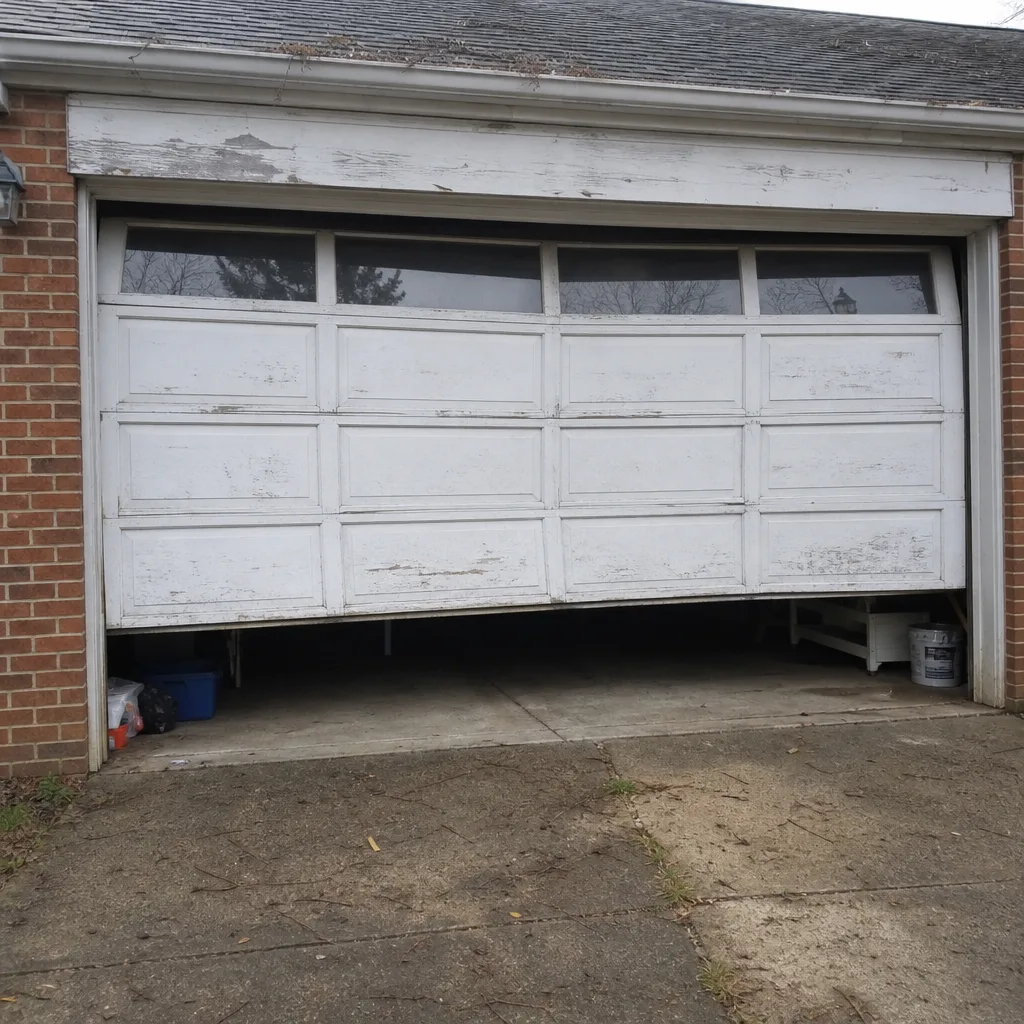
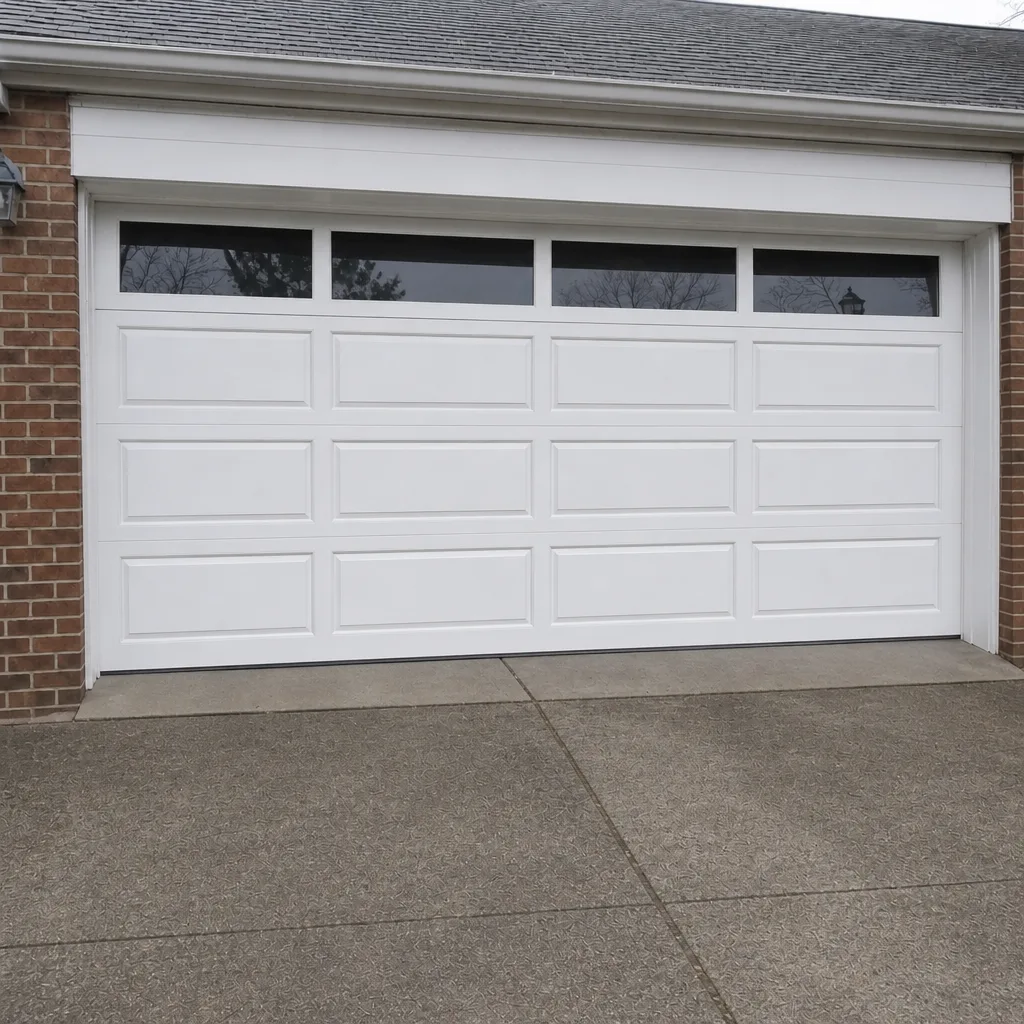
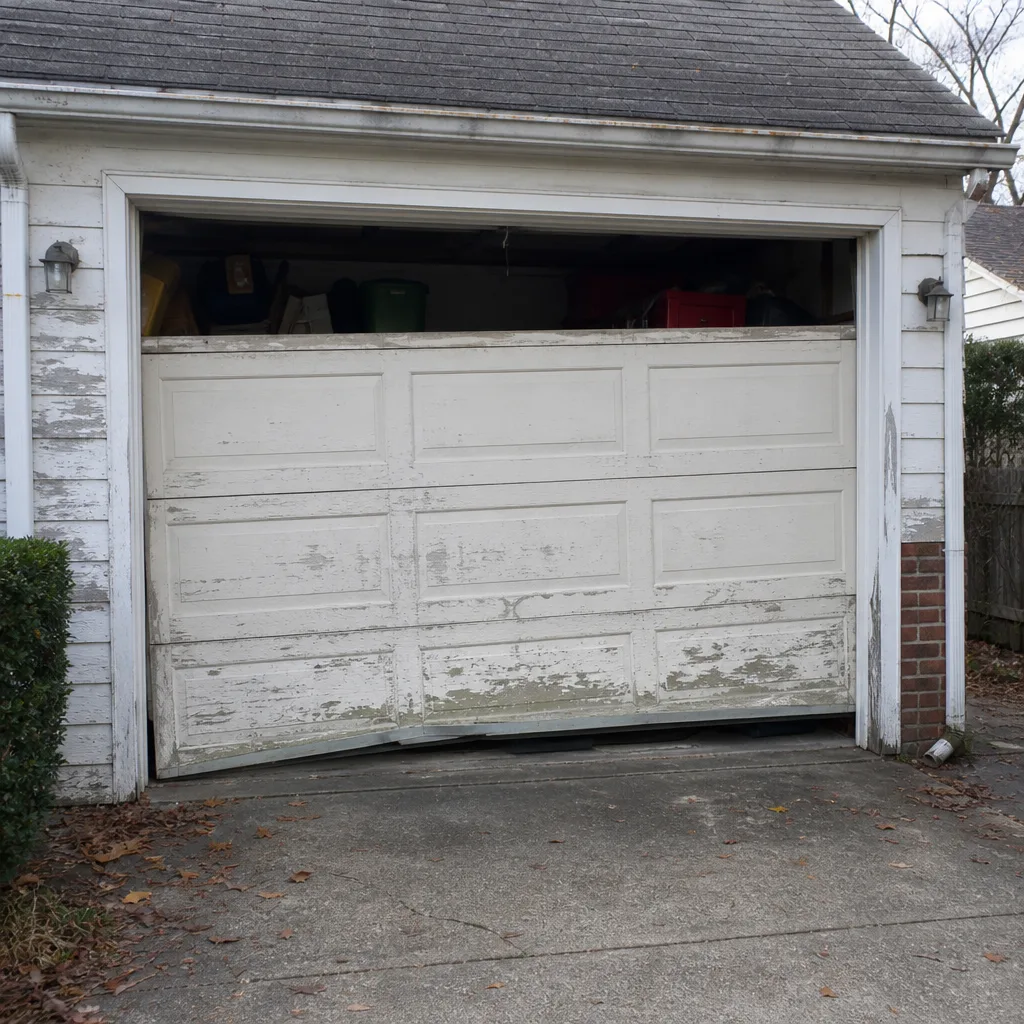
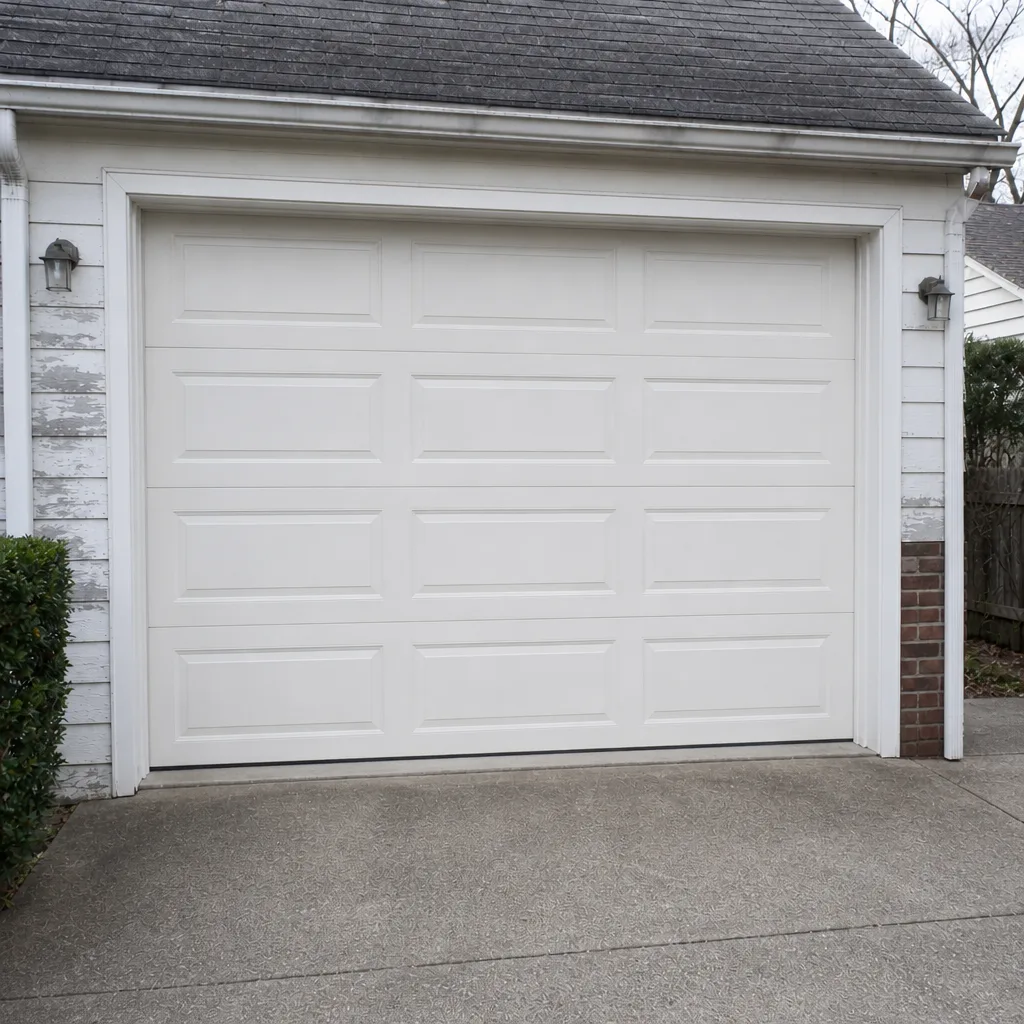
See the difference
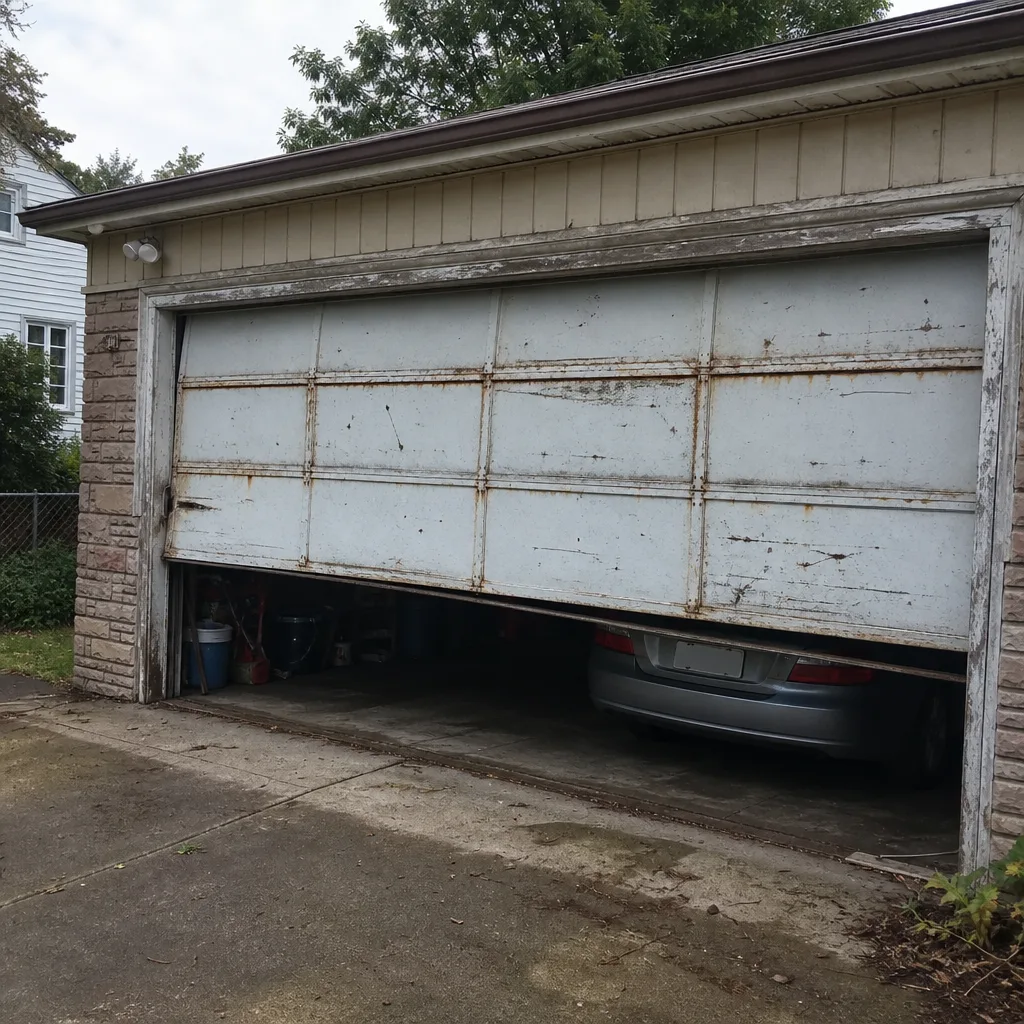 Before
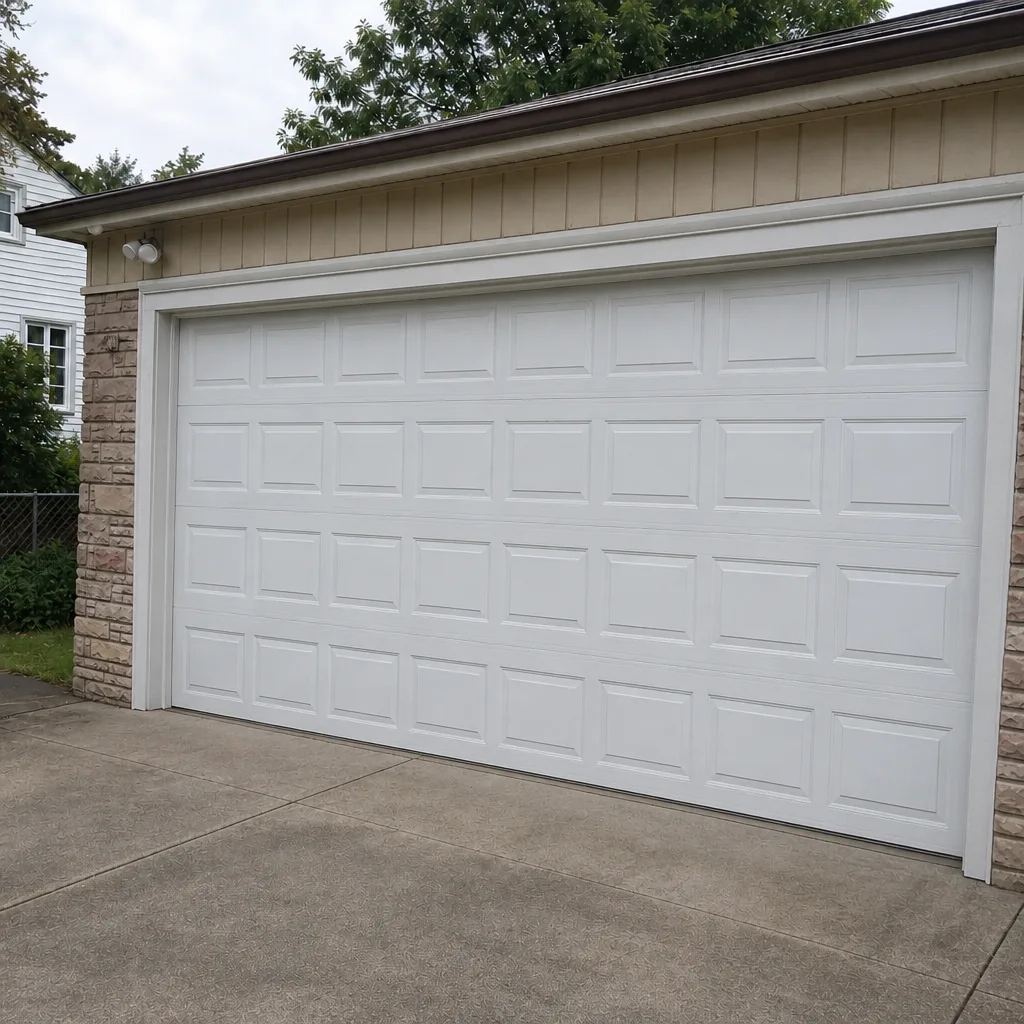 After
 Before
 After
 Before
 After
When to Call a Professional
Call a professional for any spring, cable, or counterbalance work, for any safety-system adjustment (photo-eyes, force limits, travel limits), for an opener that’s failed internally or shows electrical symptoms, and for any door that has come off its track or feels unbalanced. Call us too if you’ve started a DIY repair and stopped partway. And call if you’re simply not sure which side of the line your job falls on, because that’s the most common question we field in Highland Park.
We also recommend calling when you’re dealing with an older door and can’t identify the brand; parts selection depends on getting that right. Highland Park Garage Door Repair Co offers free estimates in Highland Park, with the price quoted and agreed before any work starts. Call (844) 742-5213.
Frequently Asked Questions
No. Torsion and extension springs store enough energy to cause serious injury if they release unexpectedly during the repair, and the tools required (properly sized winding bars, restraint clamps, torque wrenches) aren’t standard home equipment. A trained technician can replace a single torsion spring in the Highland Park area for typically $180-$340, with a matched pair costing about twice that. Call (844) 742-5213 for an exact quote; estimates are free.
Safe DIY tasks include remote programming, photo-eye cleaning and alignment, hinge and roller lubrication, weatherstripping and bottom seal replacement, opening the opener housing to change a light bulb, and visual inspection for wear. Roller replacement and opener travel limit adjustments are safe with care and the manual in hand. Anything touching the springs, cables, counterbalance, or internal opener electrical components is not.
Torsion spring repair typically costs $180-$340 for a single spring in the Highland Park market, with a matched pair around twice that since both springs are normally replaced together. Extension spring replacement is typically $140-$260. Prices are estimates and the written quote sets the final number, which is agreed before work starts.
No. The price is quoted and agreed before any work starts, and that written estimate is what you pay. If the technician finds something different from what was described over the phone, they’ll tell you and quote the corrected price before touching the door, so you can decide. Call (844) 742-5213 to get an exact quote; estimates are free.
The local pro we connect you with is licensed and insured as their state requires, and they carry garage-door-specific expertise rather than general-handyman experience. Our technicians have up to 12 years of experience working on the eight most-installed residential door and opener brands, including LiftMaster, Chamberlain, Genie, Clopay, Amarr, Wayne Dalton, Craftsman, and Raynor.
Stop, clear the area, and don’t try to finish or reverse the job under load. Note exactly what you touched and call a specialist. A technician can assess and stabilize the door quickly, and having the brand and model information for your door and opener ready speeds up the fix. Call (844) 742-5213; a stuck door is worth a same-day look.
The Bottom Line
The DIY-versus-pro decision for a garage door isn’t about whether you’re handy. It’s about which side of the line a job falls on. Springs, cables, brackets, and internal opener electrical work carry real physical risk that no amount of skill eliminates. Remotes, sensors, weatherstripping, lubrication, and travel adjustments are safe to handle yourself and save real money. If you’re anywhere near the middle, get an estimate before you buy tools or parts; a specialist can usually tell you in a few minutes whether a job is above your safe DIY line. For everything above that line, or for a job where you’ve stopped partway, call Highland Park Garage Door Repair Co at (844) 742-5213 for a free estimate in Highland Park, with the price quoted and agreed before any work begins.
Ready to get a straight answer on your door? Reach out to Highland Park Garage Door Repair Co and we’ll tell you exactly what your system needs, without upselling anything you don’t.
Written by the team at Highland Park Garage Door Repair Co.